Why Tokyo's Coworking Revolution Stands Apart in the Global Tech Landscape
As remote work reshapes offices worldwide, Tokyo's unique blend of tradition, density and innovation is creating a coworking model that rivals Silicon Valley.
As remote work reshapes offices worldwide, Tokyo's unique blend of tradition, density and innovation is creating a coworking model that rivals Silicon Valley.
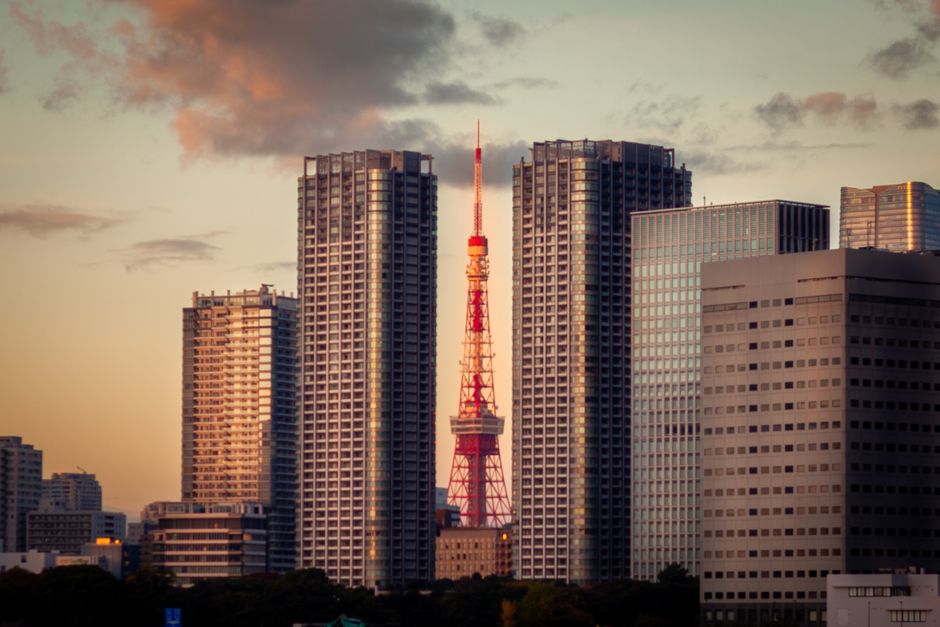
Walk through Shibuya or Shinjuku on any weekday morning, and you'll notice something shifting. The salarymen in dark suits are still there, but alongside them are freelancers, startup founders, and remote workers streaming into a new generation of coworking spaces that bear little resemblance to the glass-and-minimalism aesthetic that dominates San Francisco or Berlin.
Tokyo's coworking ecosystem has grown into something distinctly Japanese—and distinctly effective. The city now hosts over 280 dedicated coworking facilities, according to recent industry data, with monthly memberships ranging from ¥15,000 to ¥50,000 depending on amenities. But what makes Tokyo's approach globally distinctive isn't the price point or the sleek interiors. It's the philosophy underlying them.
Unlike Western coworking spaces built on the startup-disruption ethos, Tokyo's venues have integrated themselves into the fabric of existing business districts. WeWork's Tokyo locations—clustered around Marunouchi and Roppongi—operate alongside traditional Japanese business hotels that have retrofitted entire floors for flexible working. More tellingly, established companies like Daiwa Securities and Mitsui Fudosan have invested heavily in coworking infrastructure, blending corporate stability with entrepreneurial agility in ways their counterparts in the US have largely avoided.
The Kawasaki Free Walk space in the Nihonbashi financial district exemplifies this hybrid model. Rather than isolating startups from established firms, the building deliberately mixes venture-stage companies with consultants serving Fortune 500 corporations. This vertical integration—where a junior developer might share an elevator with executives from a zaibatsu—reflects Japan's longer-standing view of work as community rather than mere transaction.
Perhaps most significantly, Tokyo's remote work culture has reshaped attitudes toward the office itself. Japan's notoriously rigid corporate hierarchies have proven surprisingly adaptable. A 2025 survey found that 64 percent of Tokyo-based tech companies now offer hybrid or fully remote arrangements, up from just 12 percent in 2019. Yet rather than emptying offices, this shift has created demand for smaller, more specialized work hubs—particularly in secondary business districts like Shinjuku's tech corridor and the emerging startup cluster around Akihabara.
This distinction matters globally. As Western tech hubs grapple with collapsing office utilization rates and the identity crisis that follows, Tokyo has quietly solved a different problem: how to preserve workplace community while enabling flexibility. The city's coworking revolution isn't about replacing the office—it's about reimagining what work means when location becomes optional.
This article was compiled by AI from the sources linked above and screened before publishing. See our editorial standards.
How does this story make you feel?
Spread the word
About this article
Published by The Daily Tokyo
Daily brief
Free, in your inbox before 7am. Weekdays.
More in tech