Tokyo's Green Tech Pipeline: What's Coming Next in the Race to Net-Zero
From solid-state batteries to AI-powered grids, Japanese innovators are unveiling the technologies set to reshape Tokyo's energy landscape over the next five years.
From solid-state batteries to AI-powered grids, Japanese innovators are unveiling the technologies set to reshape Tokyo's energy landscape over the next five years.
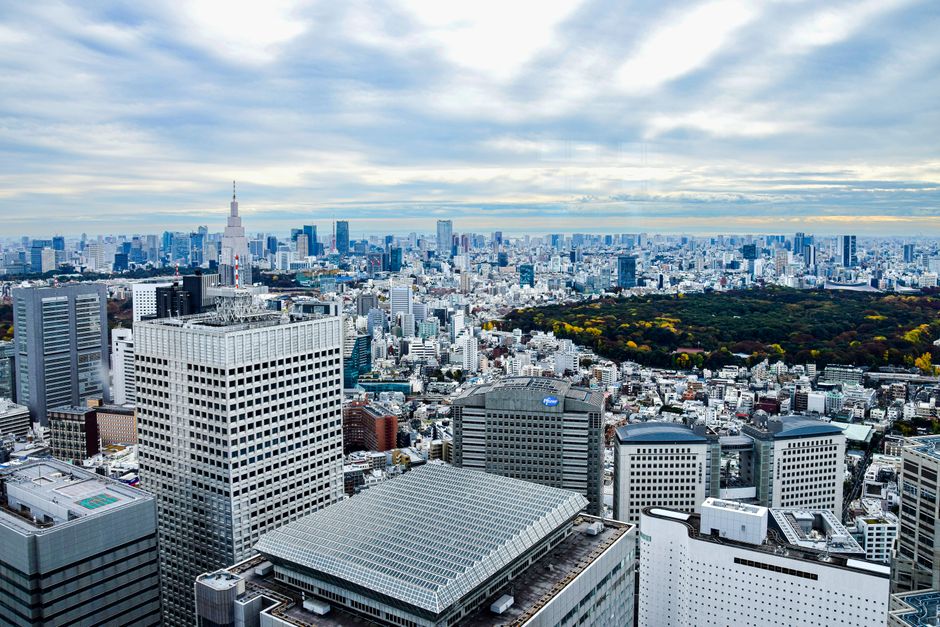
Tokyo's tech corridor is buzzing with anticipation. While global attention fixates on geopolitical tensions and economic volatility, the capital's research institutions and startups are quietly engineering the next generation of clean energy solutions—products that could redefine how 37 million people in the Greater Tokyo Area power their lives.
The roadmap is ambitious. In Minato Ward's innovation hubs around Roppongi Hills and the emerging tech clusters in Shibuya, laboratories are refining solid-state battery technology that promises energy densities 40% higher than current lithium-ion systems. Multiple companies have signalled commercial launches by 2028, with costs expected to drop from today's ¥50,000 per kilowatt-hour to under ¥25,000 by 2030. For Tokyo's EV infrastructure, this matters enormously.
Equally significant is the push toward distributed hydrogen networks. Chiyoda Ward's Port of Tokyo has been designated as a testing ground for hydrogen refuelling infrastructure, with plans to establish 50 stations across the metropolitan area by 2029. Recent pilot projects have demonstrated feasibility, though scaling remains the challenge. Energy Minister announcements suggest government backing will accelerate deployment in residential and commercial zones.
Perhaps most transformative is the AI-integrated smart grid framework currently under pilot in several Shinjuku and Shibuya wards. These systems use machine learning to balance renewable generation—solar rooftops, bay-facing wind installations—with real-time demand. Early trials show 15-20% efficiency gains. Full metropolitan rollout is targeted for 2027-2028.
The residential sector isn't being left behind. Compact heat pumps designed for Tokyo's modest apartment footprints are entering mass production. At price points competitive with traditional heating, these units could accelerate retrofit adoption across the city's aging building stock. Industry projections suggest 500,000 units installed by 2029.
Startups in the Marunouchi startup ecosystem are tackling the less glamorous but critical challenge of waste-to-energy conversion. Gasification and biochar technologies are progressing toward commercial viability, potentially addressing Tokyo's waste management bottlenecks while generating electricity.
The timeline is tight but credible. Tokyo's 2030 carbon reduction target of 50% below 2000 levels demands exactly this kind of multi-front innovation. Unlike the volatility dominating headlines elsewhere, Tokyo's green tech sector offers something increasingly rare: sustained, methodical progress toward a clearly defined future.
This article was compiled by AI from the sources linked above and screened before publishing. See our editorial standards.
How does this story make you feel?
Spread the word
About this article
Published by The Daily Tokyo
Daily brief
Free, in your inbox before 7am. Weekdays.
More in tech