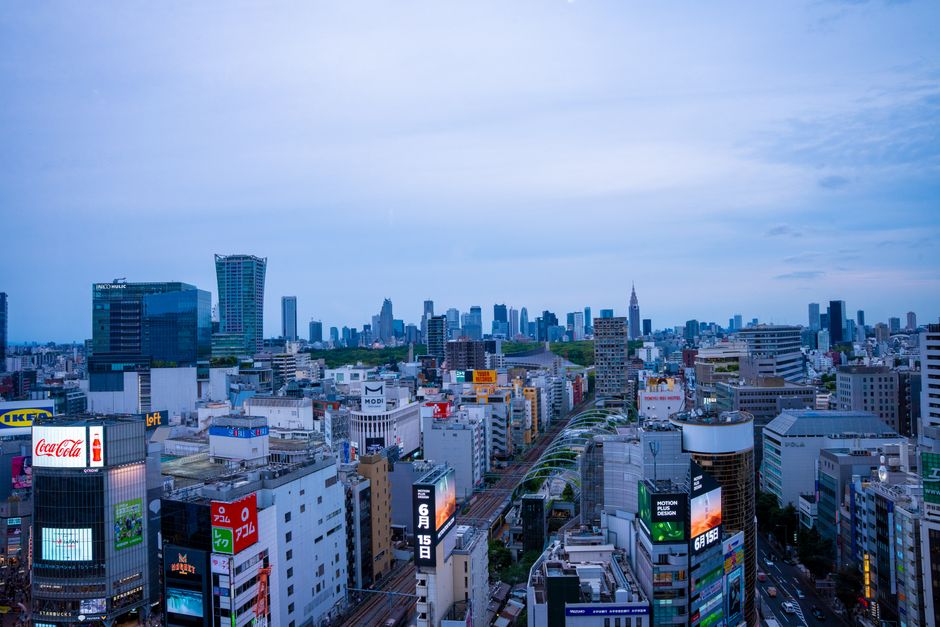
Walk into any coworking space in Shibuya these days and you'll notice something subtle: the desks know who you are. Not creepily—intelligently. Workflux, a Tokyo-born spatial intelligence platform launched quietly in March by a team of former Sony and Mercari engineers, is redefining how Japan's remote-first companies think about physical workspace.
The innovation addresses a distinctly Japanese problem. While Western companies embraced full remote work post-pandemic, Japanese firms faced cultural resistance to distributed teams. Yet forcing everyone back to cramped Marunouchi office towers contradicted productivity research. Enter Workflux: a system using computer vision and IoT sensors to create "activity-based working" environments that adapt in real time.
Here's what sets it apart from existing workspace management platforms: rather than simple desk booking, Workflux's AI analyzes how teams actually work—identifying which spaces generate collaboration, which kill focus, which sit empty during peak hours. The system then dynamically adjusts pricing, lighting, temperature, and even noise levels across multiple locations. A developer needing deep focus sees quiet zones highlighted; a marketing team planning a campaign discovers which meeting rooms had the highest creative output historically.
Since soft-launching in three Shibuya properties (including the renovated spaces near Miyashita Park), Workflux has onboarded 47 companies ranging from 15-person startups to mid-market tech firms. Average workspace utilization at participating locations jumped from 42% to 68% within eight weeks—significant in a Tokyo market where prime real estate costs around ¥25,000 per square meter annually.
The pricing model reflects Tokyo's hyper-competitive startup ecosystem: ¥15,000 monthly per location for basic analytics; ¥45,000 for full AI optimization. For companies juggling multiple micro-offices across Shibuya, Shinjuku, and Minato, the ROI is compelling.
What makes Workflux genuinely novel isn't the technology—spatial AI exists globally—but its cultural positioning. The founders recognized that Japanese companies don't want to be "disrupted" into remote-only work. Instead, Workflux sells the reassuring narrative of "optimized togetherness": work from anywhere, but make your physical moments count scientifically.
As Japan's birth rate plummets and remote talent acquisition becomes existential for tech firms, workspace intelligence platforms like Workflux aren't just solving immediate real estate inefficiencies. They're architecting the future office: less monument to corporate presence, more precision instrument for human collaboration. Watch this space—literally.
This article was compiled by AI from the sources linked above and screened before publishing. See our editorial standards.