things-to-do
Sumida River Fireworks Festival returns July 25 with 5,000+ fireworks
The official Tokyo guide lists the 49th Sumida River Fireworks Festival for July 25, with viewing areas around Taito and Sumida and a 19:00-20:30 programme window.
Listen in English · 4 min
How we reported this
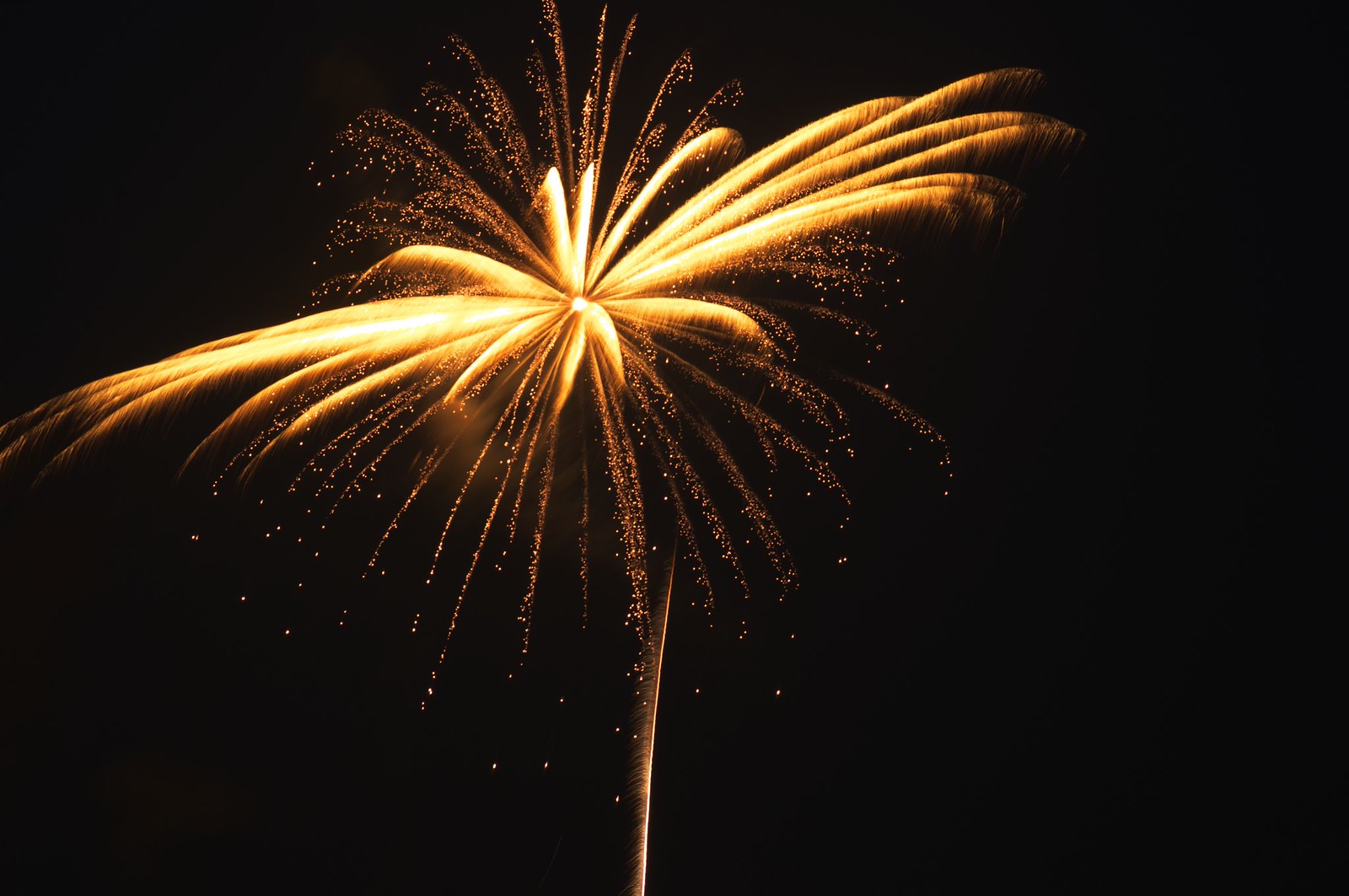
Tokyo's Sumida River Fireworks Festival is scheduled for Saturday, July 25, 2026, according to the official GO TOKYO event listing. The 49th edition is associated with Taito City and Sumida City, placing the event in the eastern Tokyo riverside area around Asakusa and the Sumida waterfront.
The listing gives a programme window of 19:00 to 20:30 and identifies two practical access points. The main venue is about 15 minutes on foot from Asakusa Station, served by the Tokyo Metro Ginza Line, the Toei Asakusa Line and the Tobu Skytree Line. A secondary venue is about five minutes from Kuramae Station.
GO TOKYO traces the event's history to the Ryogoku River Opening ceremony in 1733. That earlier ceremony was held to pray for people who died during the famine and disease that affected the area in 1732. The river ceremony continued upstream of Ryogoku Bridge until 1961 and was renamed the Sumida River Fireworks Festival in 1978.
The modern event combines a traditional fireworks display with a contest for new firework creations. That description gives the evening a clear structure without requiring visitors to assume a particular viewing spot or make an unsupported promise about the show. The official listing says the main venue hosts the contest as part of the programme.
For Tokyo residents and visitors, the transport notes matter as much as the date. Asakusa and Kuramae are busy areas on ordinary summer evenings, and the event page points readers toward rail stations rather than suggesting that parking or an unlisted route will be available. A station-based plan is the most direct way to use the published information.
The guide also asks readers to check the official event website for the latest updates on opening dates and times, prices and other information. That notice is important because the listing itself gives the date and broad schedule but does not promise that every operational detail will remain unchanged.
For readers planning a Tokyo outing, the practical value of the official listing is that it brings the location, timing and access information together without requiring a guess about what is happening on the day. Conditions can change, so the listing's own update notice remains the right place to check before leaving.
The setting also makes the activity easy to pair with a wider Tokyo walk. Visitors can use the named station area as a starting point, follow the event or garden information in the source, and leave room for ordinary neighbourhood exploration rather than trying to compress every stop into a fixed itinerary.
This is a Tokyo story about using a specific local source carefully. The details here are limited to what the official guide states: the named place, the published dates or seasonal context, the listed programme and the access notes. No extra attendance figures, rankings or unverified claims are needed to explain why the plan is useful.
Tokyo's summer calendar can be busy, but a grounded plan begins with one confirmed destination. Checking the official page again before travelling is especially sensible for outdoor activities, where weather, crowd management or venue instructions may affect the experience.
For a city reader, the appeal is straightforward: start with the verified details, allow time for the surrounding Tokyo area, and treat the official page as the live reference for any final changes.