things-to-do
Kanda Myojin offers a historic shrine stop in central Tokyo
Kanda Myojin offers a historic shrine stop in central Tokyo.
Listen in English · 4 min
How we reported this
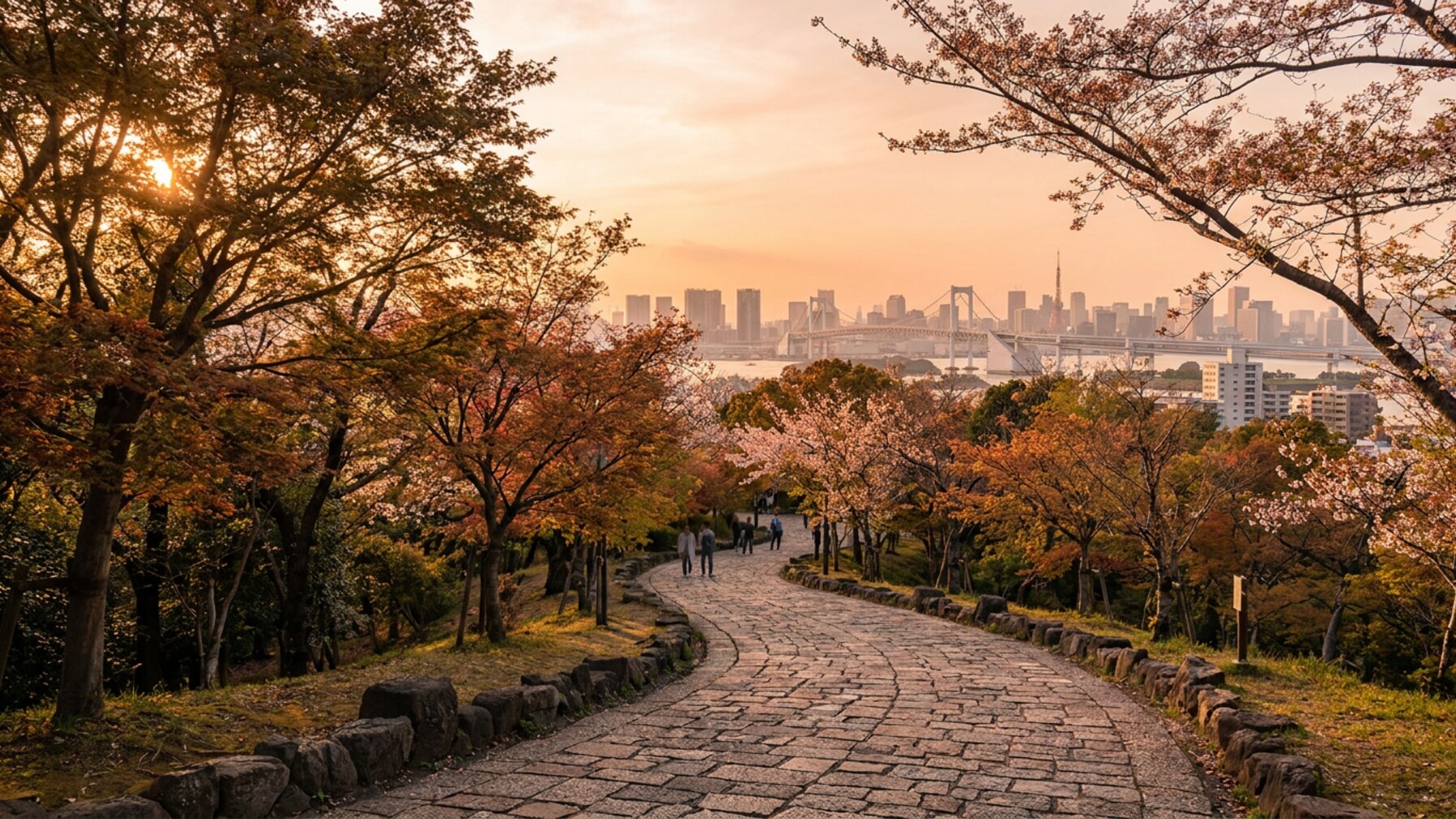
Kanda Myojin Shrine gives a central Tokyo walk a clearly documented historical stop. The official GO TOKYO page says the shrine was founded in 730 near present-day Otemachi and moved to its current location during the Edo period. That history is enough to explain why the site belongs in a Tokyo itinerary without making claims about being the oldest, largest or most important shrine.
The guide says three major kami are enshrined at Kanda Myojin, including Daikokuten and Ebisu, two of the Seven Gods of Fortune. It describes prayers associated with prosperity, good luck and marriage. Visitors should treat those details as part of the shrine’s religious context rather than as promises of a result. A respectful visit begins by reading the site information and allowing the space to function as a religious place.
The official listing also describes Myojin Kaikan beside the shrine. It says the venue hosts traditional Japanese weddings and photo shoots, as well as Shichi-go-san celebrations marking the healthy growth of children. These references show that Kanda Myojin is connected to continuing community practices, not only to a historical story. They also explain why visitors should be mindful of ceremonies and photography.
A central Tokyo plan can therefore keep the shrine visit simple. Check the official location and access details, arrive with enough time to look around, and avoid assuming that every building or activity is open to casual entry. The guide is the right place to confirm current visitor information, particularly if a reader is planning around a ceremony or a specific service.
Kanda Myojin can also be paired with a broader walk through central Tokyo, but the article does not prescribe a fixed route. The important anchors are the shrine’s documented history, its named kami and the adjacent Myojin Kaikan. Those facts give readers a grounded reason to visit while leaving the rest of the day open to weather and personal pace.
For a Tokyo audience, this is a useful kind of local outing: specific, accessible to plan and respectful of the place itself. The official GO TOKYO source supports the dates, the move during the Edo period, the named religious figures and the community uses described here. It does not support invented prices, attendance figures or guarantees, so none are included.
The official page should remain the final reference before travel. Opening hours, access arrangements, event details and seasonal information can change, and this article does not add facts that are not stated by the cited source. The useful habit is simple: start with the named Tokyo destination, read the current listing, and leave enough time to respond to conditions on the day.
That approach also keeps the plan local. It does not promise a ranking, a hidden bargain or a universal “best” experience. It gives readers a confirmed place, a practical way to think about the visit, and a clear reminder to check the source again before setting out.