community
Tokyo Blends Futuristic Tech With Ancient Temples and World-Class Dining
Tokyo combines futuristic skyscrapers and cutting-edge technology with serene temples for a range of experiences including dining, culture and gardens.
How we reported this
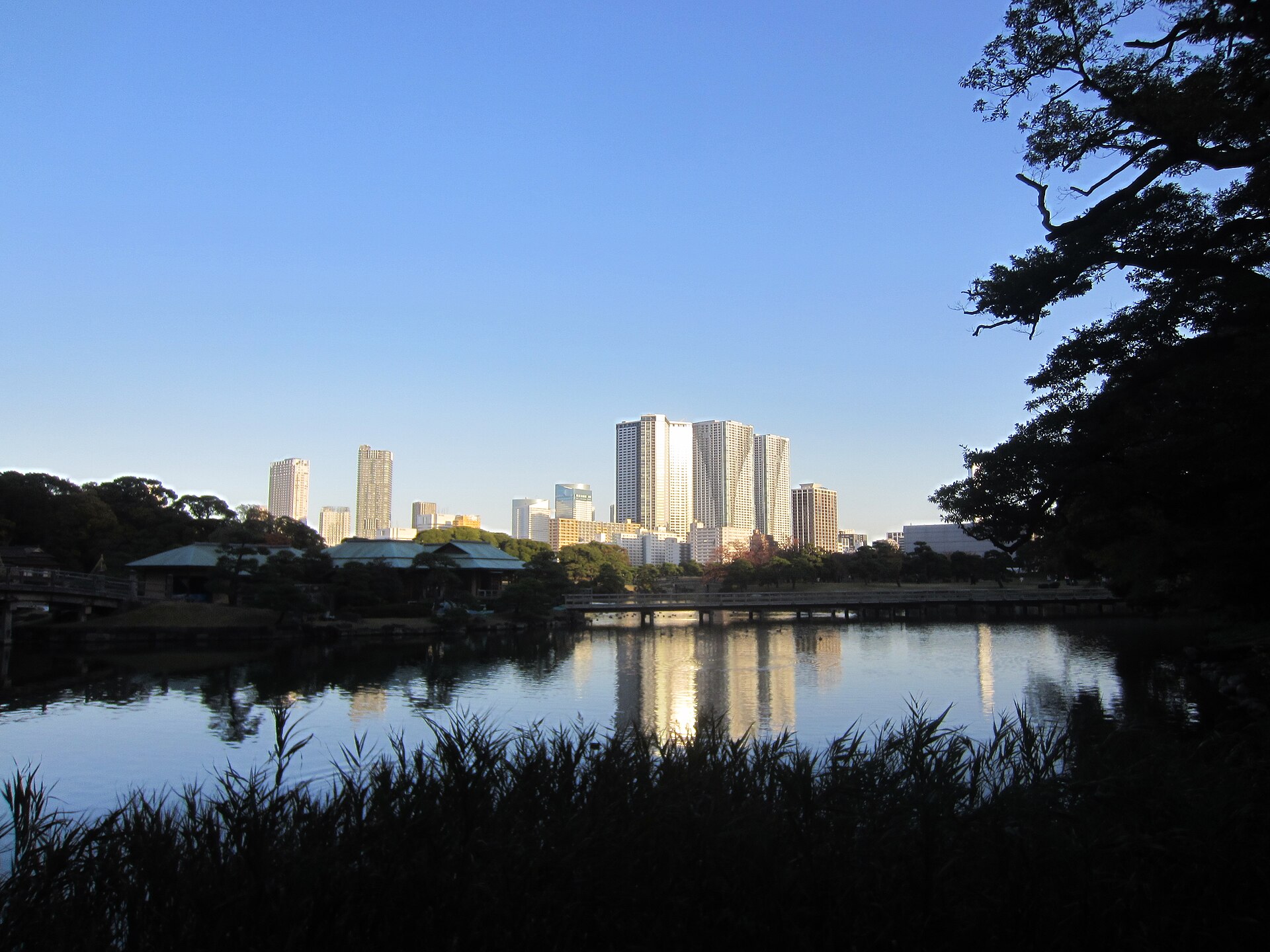
Tokyo blends futuristic skyscrapers and cutting-edge technology with serene temples, offering world-class dining, unique culture, and lush gardens. This mix draws people seeking both modern attractions and traditional sites across the city.
Shibuya Crossing and Central Landmarks
Shibuya Crossing stands out as the world's busiest pedestrian intersection. Visitors can observe the coordinated movement of crowds from nearby vantage points before exploring surrounding streets that connect to other well-known areas of the city.
Digital Art at teamLab Planets
teamLab Planets provides an immersive digital art museum experience. The venue features large-scale installations that combine light, sound and interactive elements, creating environments that shift with visitor movement.
Meiji Jingu Shrine and Senso-ji Temple
Meiji Jingu Shrine sits within a wooded area that offers a contrast to surrounding urban development. Senso-ji Temple, recognised as Tokyo's oldest Buddhist temple, features traditional architecture and approaches that include market stalls along the path leading to the main hall.
Akihabara for Electronics and Pop Culture
Akihabara, known locally as Electric Town, serves as a central point for electronics, anime, manga and gaming culture. Multiple stores and venues in the district cater to interests in these areas, with displays and products reflecting current trends in technology and media.
Ueno Park for Family Activities
Ueno Park includes Ueno Zoo and the National Museum of Nature and Science. These sites provide options suitable for children, with outdoor spaces and indoor exhibits focused on animals and scientific topics.
The combination of these locations allows visitors to move between different aspects of Tokyo's character in a single day or over several days. Practical planning involves checking opening times for each site and considering transport connections between neighbourhoods such as Shibuya, Ueno and Akihabara. Maps and local transit information help coordinate visits to temples, museums and commercial districts without overlap.