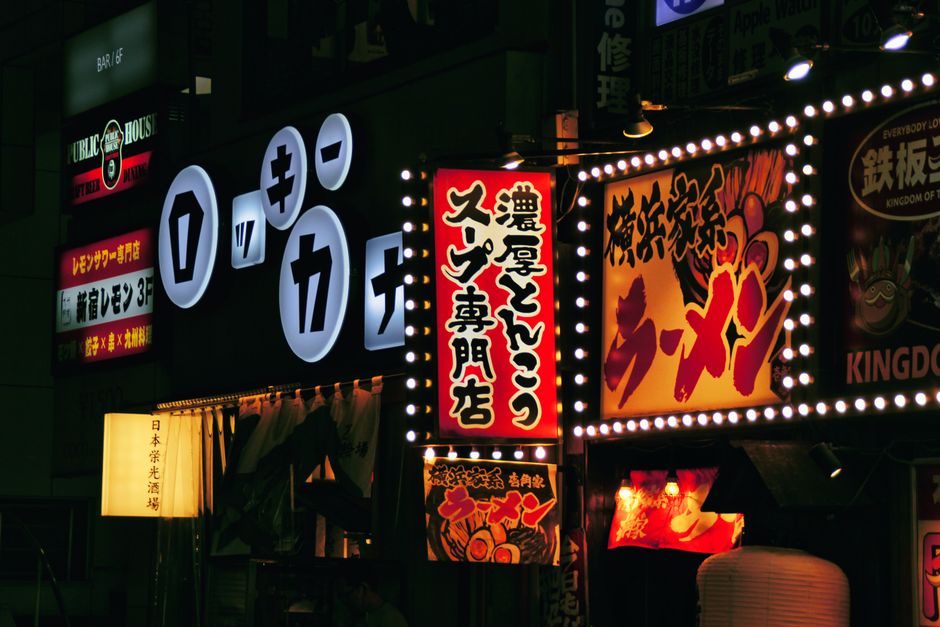
Walk through Shibuya at 11 p.m. on a weeknight and you'll notice something the wellness industry in New York or London still hasn't grasped: Tokyo is collectively leaving their offices early. This quiet shift—driven by corporate wellness initiatives and a cultural reassessment of overwork—represents a fascinating divergence from global sleep trends that have become increasingly medicalized and tech-dependent.
The global wellness market has fixated on sleep optimization through wearables and supplements. Meanwhile, Tokyo's approach blends ancient onsen bathing traditions with modern chronobiology. At facilities like Thermae-yu in Shibuya-ku, regular soaking remains the preferred wind-down method for thousands, a practice backed by research showing 40–42°C water immersion raises core body temperature before gradual cooling—priming deeper sleep. Unlike Western sleep apps commanding monthly subscriptions, a single visit costs around ¥2,500.
Recent data from the Japan Sleep Research Society reveals Tokyo residents now average 6.3 hours nightly, up from 5.9 hours in 2019. This modest gain reflects workplace culture shifts: major corporations in the Marunouchi financial district now cap email after 8 p.m., and flexible start times have become standard. The metric matters because Tokyo's previous sleep crisis—among the world's worst—had made it a cautionary tale for overwork-obsessed nations.
What's particularly striking is how Tokyo's medical establishment has stayed measured. While American clinics offer $500 sleep consultations and quantified-self communities chase perfect sleep scores, institutions like the Sleep Center at Keio University Hospital focus on sustainable behavioral change: consistent bedtimes, light exposure management, and cultural acceptance that 7–8 hours isn't always achievable in Tokyo's lifestyle.
The contrast extends to neighborhoods. In gentrifying areas like Asakusa and Kuramae, wellness practitioners promote sleep hygiene through traditional approaches—matcha ceremonies timed for afternoon consumption, supper timing aligned with circadian rhythms, futon use (shown to support spinal alignment). Few push expensive mattress upgrades or sleep technology.
Young professionals in Roppongi and Azabu-Juban do embrace tracking, but with skepticism toward algorithmic sleep optimization. The preference remains pragmatic: maintain consistency, respect circadian light cues, use onsen culture, and accept Tokyo's realities rather than engineer perfection.
As global wellness trends increasingly chase quantification, Tokyo offers a counterpoint: that sustainable rest stems from cultural permission to slow down and trusted traditions, not gadgetry. For a city that once defined workaholism, that's revolutionary.
This article was compiled by AI from the sources linked above and screened before publishing. See our editorial standards.