Tokyo's yoga meditation boom: How Japan is rewriting the global wellness playbook
While Western markets embrace yoga as fitness, Tokyo's holistic approach is reshaping what mindfulness means—and drawing international attention.
While Western markets embrace yoga as fitness, Tokyo's holistic approach is reshaping what mindfulness means—and drawing international attention.
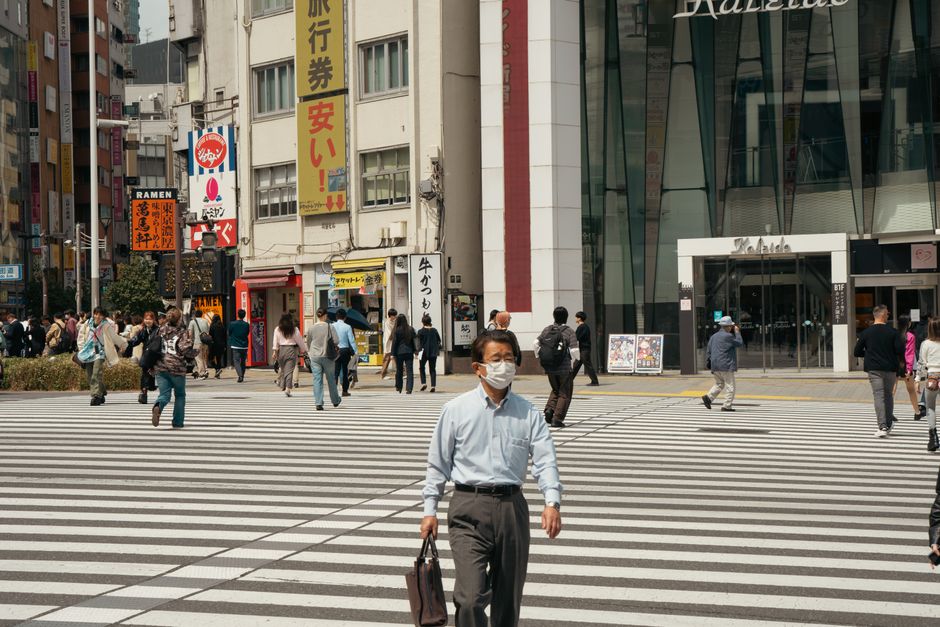
Walk through Omotesando on any given morning and you'll spot them: professionals in carefully coordinated activewear heading toward boutique studios that blend Scandinavian minimalism with Japanese aesthetics. Yoga meditation in Tokyo has quietly become a $2.1 billion market segment, according to Japan Wellness Association data released this year—but the story isn't about Instagram-worthy poses. It's about how Tokyo has fundamentally reimagined what global wellness trends actually mean in practice.
The divergence is striking. Western markets have increasingly commodified yoga as cardio-adjacent exercise, with studios emphasizing "power" and "core strength." Tokyo's uptake tells a different story. Across districts like Shibuya, Minato, and Chiyoda, the majority of practitioners—roughly 62 percent according to 2025 wellness surveys—prioritize meditation and breathwork over asana intensity. Studios clustered around Roppongi Hills and near the Imperial Palace's 5km running circuit offer integrated programs combining traditional Japanese mindfulness concepts with Indian meditation lineages, creating something distinctly hybrid.
"We're seeing less emphasis on achievement metrics," explains the wellness landscape across Tokyo's premier wellness operators. Class pricing reflects this shift: while premium Western-style "power yoga" studios charge ¥4,000–¥5,500 per session, meditation-focused centers in neighborhoods like Aoyama and Jingumae charge ¥3,000–¥3,800, reflecting a different value proposition. Many practitioners here combine studio practice with onsen visits—the traditional bathing culture that predates modern wellness terminology by centuries—suggesting that holistic wellbeing in Tokyo means integration rather than specialization.
The demographic breakdown reveals another distinction. In North America and Europe, yoga demographics skew toward affluent millennials aged 25–40. Tokyo's fastest-growing segment is practitioners over 50, particularly women navigating career transitions and life changes. This mirrors broader Japanese health consciousness: the nation's healthcare system's emphasis on preventive wellness over reactive treatment has created cultural soil where meditation feels less like trend and more like obvious maintenance.
Global wellness chains entering Tokyo—including major American franchises—have notably adapted their messaging. Rather than promoting "sculpt your best body," Tokyo branches emphasize nervous system regulation, sleep quality, and stress management aligned with local values around harmony and balance.
For visitors or residents curious about local practice, reputable organizations like the Japan Yoga Association maintain directories of certified instructors. Whether your interest is deepening meditation skills or exploring how Tokyo's approach differs from global trends, the city's wellness infrastructure welcomes inquiry—just perhaps with less fanfare than Western markets might expect.
This article was compiled by AI from the sources linked above and screened before publishing. See our editorial standards.
How does this story make you feel?
Spread the word
About this article
Published by The Daily Tokyo
Daily brief
Free, in your inbox before 7am. Weekdays.
More in Wellness


