Tokyo's yoga meditation boom: Why Japan's approach diverges sharply from global wellness trends
As Western studios chase Instagram-friendly flows, Tokyo's holistic wellness scene embraces quiet introspection—rooted in deeper cultural traditions.
As Western studios chase Instagram-friendly flows, Tokyo's holistic wellness scene embraces quiet introspection—rooted in deeper cultural traditions.
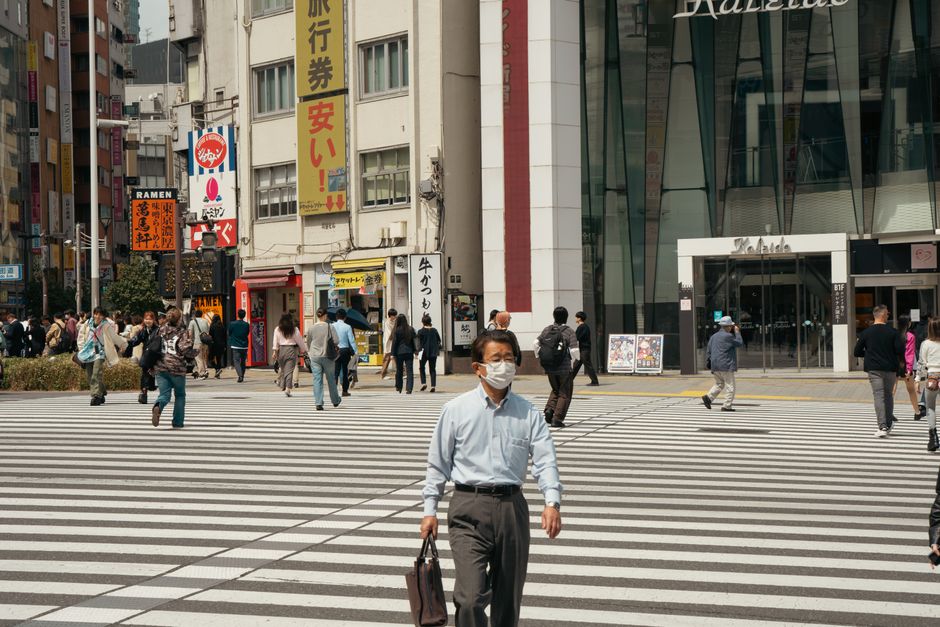
Walk through Minato ward on any weekday evening and you'll notice something striking: yoga studios here rarely advertise acro-yoga challenges or heated vinyasa marathons. Instead, signage in Roppongi and Azabu-Juban emphasises zazen, breathwork integration, and seasonal alignment—a distinctly Japanese interpretation of global yoga culture.
The contrast is instructive. Globally, the yoga market has exploded into a $88 billion industry built largely on performance metrics: faster flows, deeper splits, aesthetic documentation. Instagram-driven studios from New York to Bangkok commodify flexibility. Yet Tokyo's uptake tells a different story. According to wellness industry surveys, Japan's yoga participation grew 12 percent annually through 2025, but studios here prioritise foundational breathing techniques (pranayama) and meditation duration—often 40 to 50 minutes per 90-minute session—over athletic progression.
This reflects deeper cultural currents. Japan's pre-existing wellness infrastructure—the onsen tradition, Zen Buddhism's meditation legacy, and preventative health philosophy—provided fertile ground for yoga's arrival without requiring Western rebranding. Studios in Shibuya and around Yoyogi Park integrate yoga with seasonal practices rooted in Traditional Chinese Medicine principles already familiar to Japanese practitioners. Pricing, too, differs: monthly memberships at established centres like those near Meiji Shrine average ¥8,000–¥12,000, significantly lower than comparable London or Sydney offerings.
Japan's healthcare system also shaped adoption patterns. With universal coverage enabling regular preventative consultations, yoga here positions itself as complementary medicine rather than primary wellness salvation—a distinction lost in markets where fitness substitutes for healthcare access.
The holistic aspect runs deeper than semantics. Where global studios market yoga as stress relief or core strengthening, Tokyo's classes explicitly weave in circadian rhythm awareness, seasonal detoxification concepts, and mindfulness rooted in Buddhist philosophy. Teachers frequently reference the Imperial Palace 5km running circuit and Yoyogi Park not as fitness destinations but as spaces for moving meditation.
Local wellness organisations have formalised this approach. The Japan Yoga Association emphasises teaching standards prioritising philosophical depth over certification speed—a counterpoint to rapid instructor training proliferating globally.
The takeaway? Tokyo's yoga-meditation integration reflects broader Japanese wellness philosophy: incremental, introspective, and integrated with existing traditions rather than replacing them. As global trends chase novelty and performance, Japan's approach quietly models an alternative—one where wellbeing means deepening roots rather than reaching further.
This article was compiled by AI from the sources linked above and screened before publishing. See our editorial standards.
How does this story make you feel?
Spread the word
About this article
Published by The Daily Tokyo
Daily brief
Free, in your inbox before 7am. Weekdays.
More in Wellness