Tokyo's Stress-Busting Habits: What Locals Actually Do to Stay Calm
From early-morning runs around the Imperial Palace to mindful tea rituals in Shibuya, residents are building simple daily practices that research shows work.
From early-morning runs around the Imperial Palace to mindful tea rituals in Shibuya, residents are building simple daily practices that research shows work.
Stress management in Tokyo doesn't require joining an expensive wellness retreat. Instead, residents across the city have quietly embedded accessible habits into their daily routines—practices that local healthcare providers and wellness researchers increasingly recognise as effective buffers against urban burnout.
The 5km Imperial Palace running circuit has become an unofficial mental health hub. Regular users report that the structured loop, bordered by moats and historic stonework, creates what psychologists call "moving meditation." A 2024 survey by Tokyo Metropolitan Health Centre found that 68% of circuit regulars cited stress reduction as their primary motivation, ahead of fitness goals. The route costs nothing and opens before dawn, accommodating shift workers and early risers.
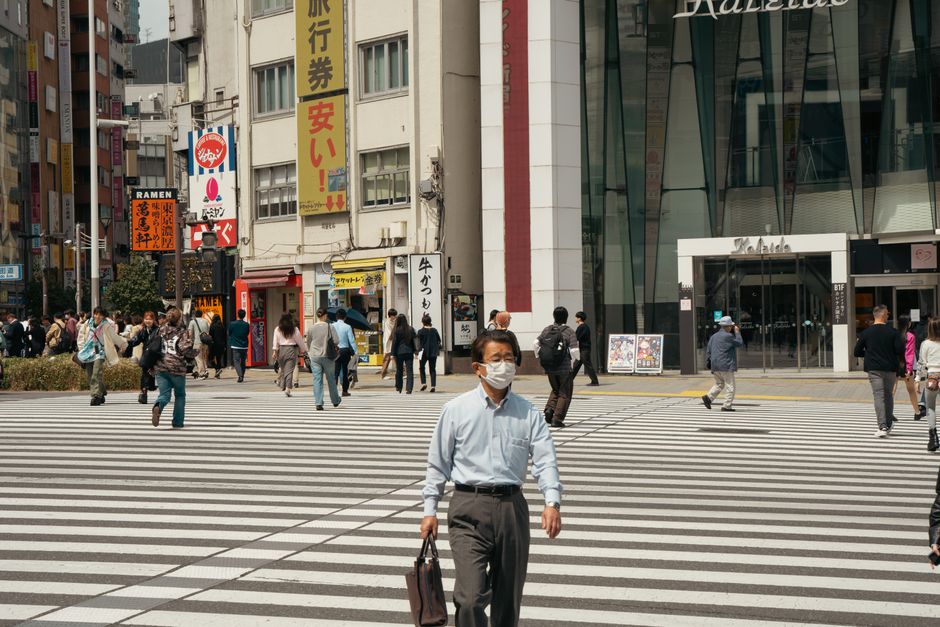
In neighbourhoods like Aoyama and Roppongi, a growing number of professionals are practising "mindful commuting"—deliberately stepping off trains one stop earlier to walk through quieter residential streets. This simple shift, documented by wellness coaches at venues like the Roppongi Hills wellness centre, extends commute time by just 10-15 minutes but fragments Tokyo's notorious rush-hour intensity into manageable segments.
The city's onsen tradition remains underutilised as a mental health tool. Weekly visits to neighbourhood bathhouses—costing around ¥500-1,000—are experiencing renewed interest among workers in Shinjuku and Shibuya offices. The practice combines temperature regulation (scientifically linked to stress reduction), social connection and deliberate unplugging from devices. Several bathhouses near Harajuku now offer evening slots specifically marketed for post-work decompression.
Mindfulness meditation groups have expanded beyond temples. Yoyogi Park hosts free weekend sessions attended by 200-300 participants across multiple skill levels. The accessibility—no membership, no charge, open-air setting—removes friction that often prevents habit formation.
Perhaps most significantly, Japanese workplaces themselves are shifting. The concept of "ki wo tsukeru" (being mindful of surroundings and energy) increasingly extends to designated quiet break spaces. Progressive companies in the Marunouchi and Kasumigaseki districts have introduced five-minute breathing stations, recognising that consistency beats intensity for sustainable stress management.
The common thread: successful Tokyo residents treat stress management as infrastructure, not indulgence. They integrate practices into existing routines rather than adding external commitments. The Imperial Palace runner doesn't need motivation—they're already going. The commuter doesn't reorganise their day—they adjust a single decision point.
For those beginning their own stress-management journey, local medical professionals recommend starting with one 10-minute daily habit aligned with existing patterns: a walk route, a tea ritual, a bath schedule. Sustainability, Tokyo's wellness community suggests, beats ambition.
This article was compiled by AI from the sources linked above and screened before publishing. See our editorial standards.
How does this story make you feel?
Spread the word
About this article
Published by The Daily Tokyo
Daily brief
Free, in your inbox before 7am. Weekdays.
More in Wellness