Five Evidence-Based Nutrition Rules That Actually Work in Tokyo's Climate and Pace
From hydration science to seasonal eating, here's what the research says about fuelling your body through Tokyo's humid summers and demanding urban schedule.
From hydration science to seasonal eating, here's what the research says about fuelling your body through Tokyo's humid summers and demanding urban schedule.
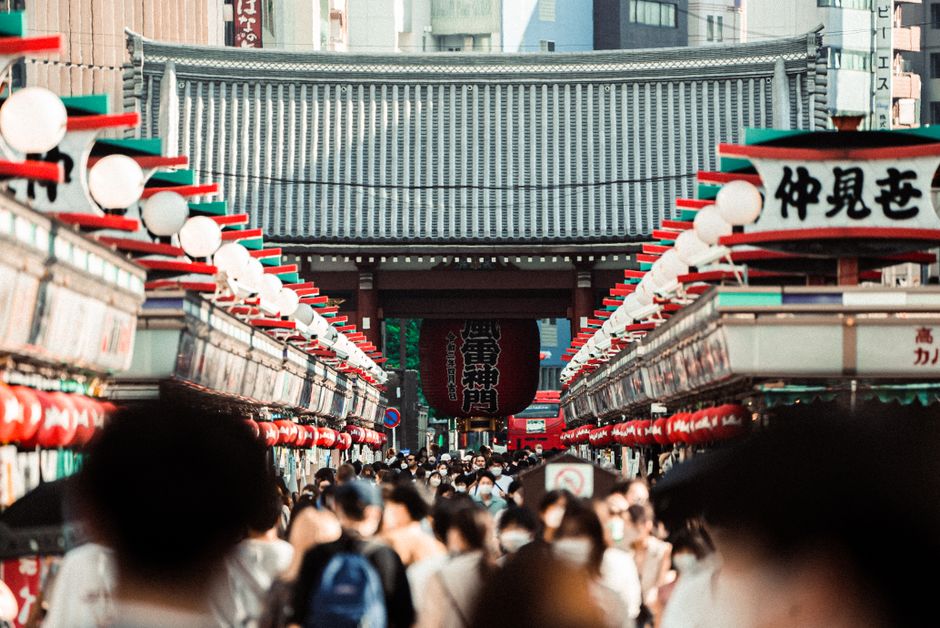
Tokyo's wellness culture runs deep—from the onsen bathing ritual to the Imperial Palace 5km circuit beloved by morning runners. Yet nutrition advice often ignores what makes this city unique: intense humidity, train-dependent living, and access to seasonal produce that changes dramatically every few months.
The research is clear: hydration matters more here than most guides suggest. During Tokyo's tsuyu (rainy season) and summer months, humidity levels regularly exceed 70%, meaning your body loses fluids faster through perspiration even when you're not exercising. Sports scientists recommend increasing sodium intake slightly during these months—not through supplements, but through miso soup and umeboshi (pickled plum), both traditional foods that support electrolyte balance. A 2024 study from Tokyo Metropolitan University found that regular consumers of fermented foods showed better heat-stress adaptation during summer.
Second: seasonal eating reduces decision fatigue. Tokyo's markets—Tsukiji Outer Market, Ota Market in Ōta ward, and neighbourhood shotengai (shopping streets)—stock dramatically different produce each season. Spring bamboo shoots and summer kakigōri ingredients require different nutritional strategies than autumn chestnuts and winter daikon. Rather than fighting this cycle, embrace it. Seasonal produce is cheaper (typically 20-30% less than off-season imports), more nutrient-dense, and requires less cognitive load when meal planning.
Third, meal timing aligns with commute patterns. If you're on the Yamanote Line by 7:30am, a traditional Japanese breakfast—rice, miso soup, grilled fish—provides sustained energy better than convenience-store onigiri alone. Research on chrononutrition shows that protein-forward breakfasts improve focus during peak work hours, especially relevant for Tokyo's demanding office culture.
Fourth, the 'convenience store trap' is real. Lawson and FamilyMart dominate Tokyo's food landscape, but their ready-made options are often sodium-heavy. The solution: identify three neighbourhood options within your commute. A local fishmonger, rice shop, or produce vendor in Shinjuku, Shibuya, or your ward office area typically offers fresher alternatives at comparable prices.
Finally, water quality matters. Tokyo's tap water is safe and mineral-rich—unlike many cities, you needn't buy bottled water. This single habit saves money and reduces decision-making around hydration choices.
Tokyo's pace and climate demand nutrition strategies that work *with* local reality, not against it. The evidence suggests small, contextual changes beat generic diet trends every time.
This article was compiled by AI from the sources linked above and screened before publishing. See our editorial standards.
How does this story make you feel?
Spread the word
About this article
Published by The Daily Tokyo
Daily brief
Free, in your inbox before 7am. Weekdays.
More in Wellness