Eating Well in Tokyo: Evidence-Based Nutrition Tips That Actually Work for Local Conditions
Tokyo's humid summers, demanding work culture, and unique food environment require tailored dietary strategies—here's what the science says works best.
Tokyo's humid summers, demanding work culture, and unique food environment require tailored dietary strategies—here's what the science says works best.
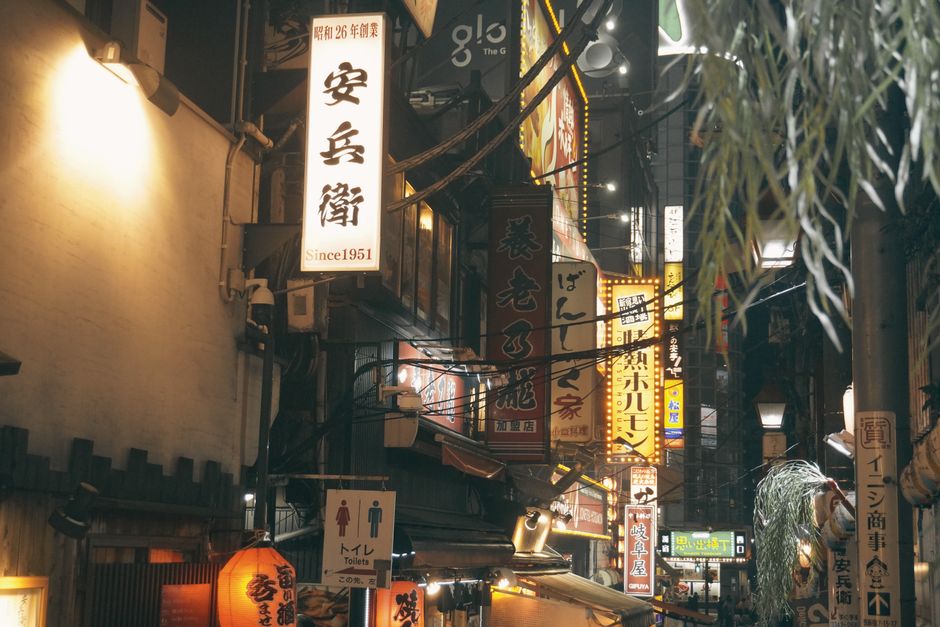
Tokyo's climate and lifestyle present distinct nutritional challenges that generic wellness advice often misses. During the rainy season and summer months—when humidity regularly exceeds 70%—electrolyte loss accelerates, making mineral intake more critical than in temperate climates. Tokyo's health ministry data shows residents in central wards like Chiyoda and Shibuya report higher rates of dehydration-related fatigue during tsuyu season, yet many rely solely on sugary sports drinks.
The evidence-based approach: pair seasonal vegetables with miso soup, a practice backed by decades of epidemiological research on Japanese longevity. The fermented soybean base provides bioavailable sodium and probiotics suited to Tokyo's warm-weather metabolism. Morning miso at vendors along Tsukiji Outer Market or convenience chains costs ¥300–500 and requires minimal preparation for rush-hour commuters heading toward Marunouchi or Shibuya offices.
Tokyo's sedentary office culture—average desk workers log 4,000 steps daily—demands protein timing that differs from standard Western recommendations. Research from Tokyo Metropolitan University suggests three modest protein hits (15–20g each) spaced throughout the day outperforms the Western "20–30g per meal" model for maintaining muscle during light activity. Grilled chicken from yatai near Yoyogi Park, tofu from neighbourhood shops in Meguro, and canned mackerel from konbini shelves provide accessible options at ¥400–800 per serving.
Sodium intake deserves local attention. Tokyo's tap water contains less mineral content than some global cities, and the traditional diet's reliance on soy sauce, miso, and processed foods means many residents exceed recommended daily intake. The Tokyo Metropolitan Government's nutrition guidelines recommend balancing this with potassium-rich foods: sweet potato, spinach from farmer's markets at Ota Market, and seasonal greens from neighbourhood shops in Setagaya.
Summer meal timing matters more here than seasonal guides acknowledge. Eating larger meals earlier in the day—before the afternoon heat peak around 3pm—aligns with metabolic efficiency data and reduces post-meal energy crashes during Tokyoites' longest work hours. Traditional kaiseki timing, though expensive, reflects this science: substantial lunch, lighter evening meals.
Finally, water quality and hydration patterns differ from drier climates. Tokyo's excellent tap water (tested daily by Tokyo Metropolitan Waterworks Bureau) costs roughly ¥0.20 per litre—far cheaper than bottled alternatives—making consistent hydration genuinely sustainable for health-conscious residents.
These aren't exotic strategies. They're evidence-based practices that respect Tokyo's specific environment, food culture, and daily rhythms.
This article was compiled by AI from the sources linked above and screened before publishing. See our editorial standards.
How does this story make you feel?
Spread the word
About this article
Published by The Daily Tokyo
Daily brief
Free, in your inbox before 7am. Weekdays.
More in Wellness