Sleep in the City: Evidence-Based Tips That Actually Work for Tokyo's Conditions
From managing humidity and noise pollution to leveraging Japan's onsen tradition, here's how to sleep better in Tokyo.
From managing humidity and noise pollution to leveraging Japan's onsen tradition, here's how to sleep better in Tokyo.
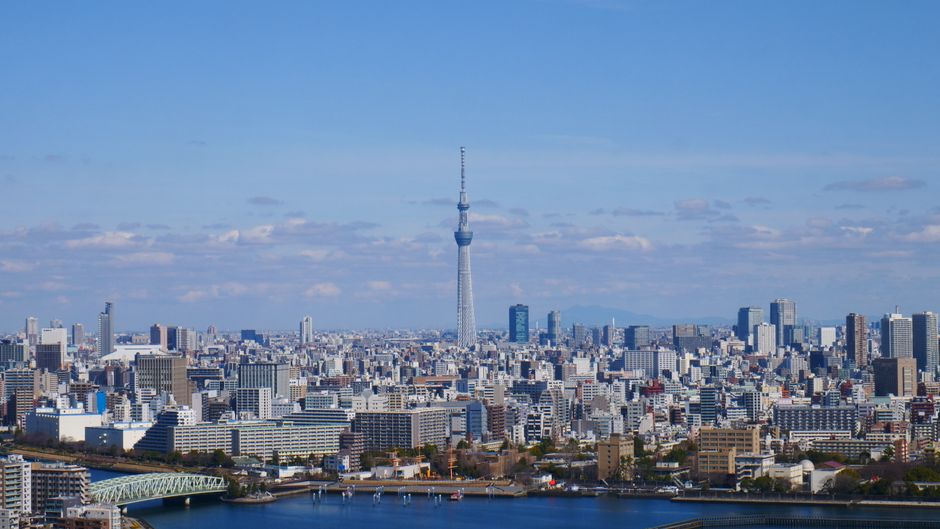
Tokyo's summer humidity peaks at 70–80%, and the ambient noise from Chiyoda ward's traffic creates conditions that challenge even disciplined sleepers. Yet the science is clear: quality sleep depends less on exotic supplements than on understanding your environment and making targeted adjustments.
Start with temperature regulation. Research shows core body temperature must drop 2–3 degrees Celsius for sleep onset. Tokyo's June-to-September humidity makes this harder indoors. Rather than relying solely on air conditioning—which costs ¥3,000–5,000 monthly—combine it with cross-ventilation during cooler pre-dawn hours (4–6am). Open windows in Minato or Shibuya wards before 7am to flush out heat. Pair this with cotton bedding rather than synthetic materials; studies confirm cotton's moisture-wicking properties reduce micro-awakenings by up to 15%.
Leverage Tokyo's onsen culture intelligently. A warm bath 90 minutes before bed triggers vasodilation—blood vessels expand—which accelerates the temperature drop needed for sleep. Facilities like Ōedo Onsen Monogatari in Odaiba (¥2,800 entry) or neighbourhood sento in Asakusa charge ¥500–800 and work equally well. The ritual itself signals sleep onset to your circadian system.
Noise pollution near Shinjuku Station and major train lines averages 70–75 decibels at night. White noise apps don't work universally; instead, research supports low-frequency masking sounds—rain, distant traffic—over high-pitched tones. Japanese noise-cancelling earbuds from major Akihabara electronics retailers (¥8,000–15,000) offer clinical-grade performance, though basic foam earplugs (¥300–800) show 70% efficacy in peer-reviewed sleep studies.
Light pollution in central Tokyo suppresses melatonin. Blackout curtains (available at Tokyu Hands, Shinjuku, from ¥2,000) reduce ambient light by 95%. If commuting early—say, from Chiba or Saitama—expose yourself to bright light within 30 minutes of waking. The Imperial Palace's 5km circuit offers excellent morning light exposure before 8am.
Finally, consistency outperforms everything. Sleep chronotype research shows Tokyo residents sleep 22 minutes less on average than rural Japan due to work culture and train schedules. Yet maintaining identical sleep and wake times—even weekends—synchronises your body clock more effectively than any supplement.
The evidence is local: adjust for humidity, leverage onsen access, manage noise systematically, control light, and prioritise routine. Tokyo's healthcare system ranks globally for sleep medicine; consulting a specialist at facilities in Minato Ward costs ¥5,000–8,000 if problems persist.
This article was compiled by AI from the sources linked above and screened before publishing. See our editorial standards.
How does this story make you feel?
Spread the word
About this article
Published by The Daily Tokyo
Daily brief
Free, in your inbox before 7am. Weekdays.
More in Wellness