Tokyo's Hidden Wellness Menu: A Guide to Free and Low-Cost Nutrition Services
From district health centres to neighbourhood farmers' markets, Tokyo residents can access expert dietary guidance and affordable whole foods without breaking the bank.
From district health centres to neighbourhood farmers' markets, Tokyo residents can access expert dietary guidance and affordable whole foods without breaking the bank.
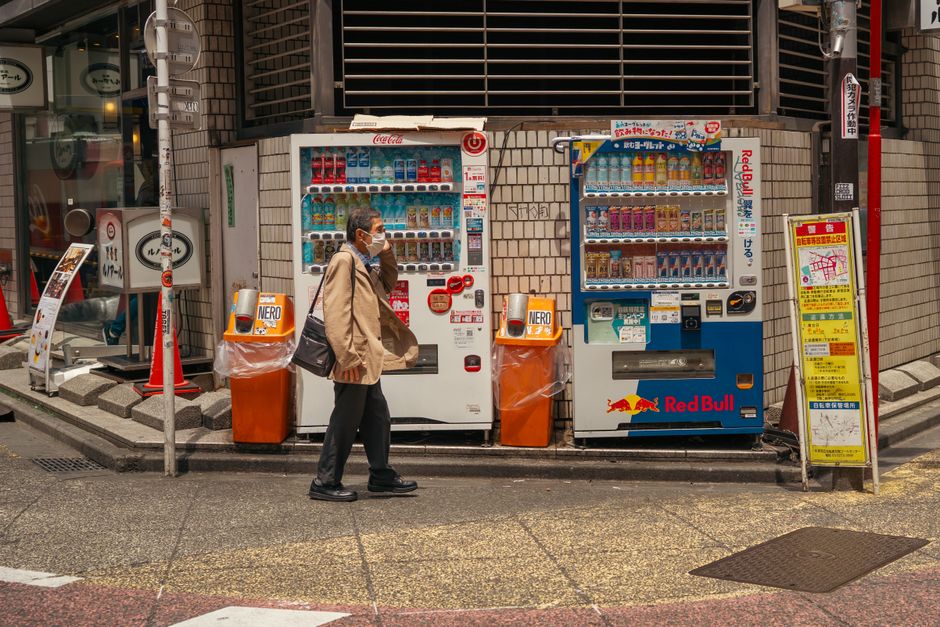
In a city where a single bowl of ramen can cost ¥1,200 and convenience store meals dominate busy schedules, Tokyo's public health infrastructure offers a quieter alternative: free or heavily subsidised nutrition counselling and affordable fresh produce networks that most residents overlook.
Start at your local hoken-jo (health centre). Every ward—from Shibuya to Chiyoda—operates these public facilities offering free nutritional consultations. The Minato Ward Health Centre on Shibakoen offers monthly group workshops on balanced eating for ¥500, often featuring seasonal ingredient guides. Similar services exist across all 23 wards; simply search your ward name plus 「保健所 栄養相談」(health centre nutrition consultation) online or call ahead. Most appointments are free, and counsellors speak Japanese and basic English.
For affordable seasonal produce, skip the supermarkets. Ota Market's retail section in Ōta opens to the public on weekends, offering wholesale prices on vegetables—typically 30-40% cheaper than supermarkets. The Tsukiji Outer Market near Ginza Station attracts both tourists and locals seeking quality fish and produce at competitive rates. More accessibly, neighbourhood shotengai (shopping streets) in areas like Yanaka, Shimokitazawa, and around Yoyogi Park feature family-run vendors offering loose vegetables and seasonal specialities at fair prices.
Tokyo's onsen wellness tradition pairs naturally with nutrition education. Many community baths (sento) near residential areas now host health talks; entry costs around ¥500, with occasional free nutrition seminars integrated into bathing hours. This aligns traditional wellness culture with modern dietary awareness.
The Tokyo Metropolitan Government's official nutrition portal provides free downloadable guides on balanced meals using local ingredients. Their 「とうきょう食育ガイド」(Tokyo Food Education Guide) emphasises seasonal eating aligned with Japan's agricultural calendar—a framework that naturally reduces food costs and supports local producers.
Several universities, including Tokyo Metropolitan University in Hachioji, offer free or low-cost nutrition clinics run by graduate students under faculty supervision. These typically charge ¥1,000-2,000 for comprehensive consultations, substantially below private nutritionist rates of ¥5,000-10,000.
Finally, the Imperial Palace's 5km running circuit and Yoyogi Park's weekend wellness culture create informal communities where locals share meal-prep strategies and seasonal eating tips. These spaces offer peer-led knowledge exchange at zero cost.
Tokyo's healthcare system ranks among the world's best, yet its most valuable wellness resources—public guidance, affordable seasonal produce, and community-driven nutrition culture—remain underutilised. A small investment of time exploring these channels yields substantial returns on health literacy and food budgets alike.
This article was compiled by AI from the sources linked above and screened before publishing. See our editorial standards.
How does this story make you feel?
Spread the word
About this article
Published by The Daily Tokyo
Daily brief
Free, in your inbox before 7am. Weekdays.
More in Wellness


