Five Evidence-Based Stress Management Techniques That Actually Work for Tokyo Living
Local researchers and wellness experts reveal which mindfulness practices deliver real results in Japan's high-pressure urban environment.
Local researchers and wellness experts reveal which mindfulness practices deliver real results in Japan's high-pressure urban environment.
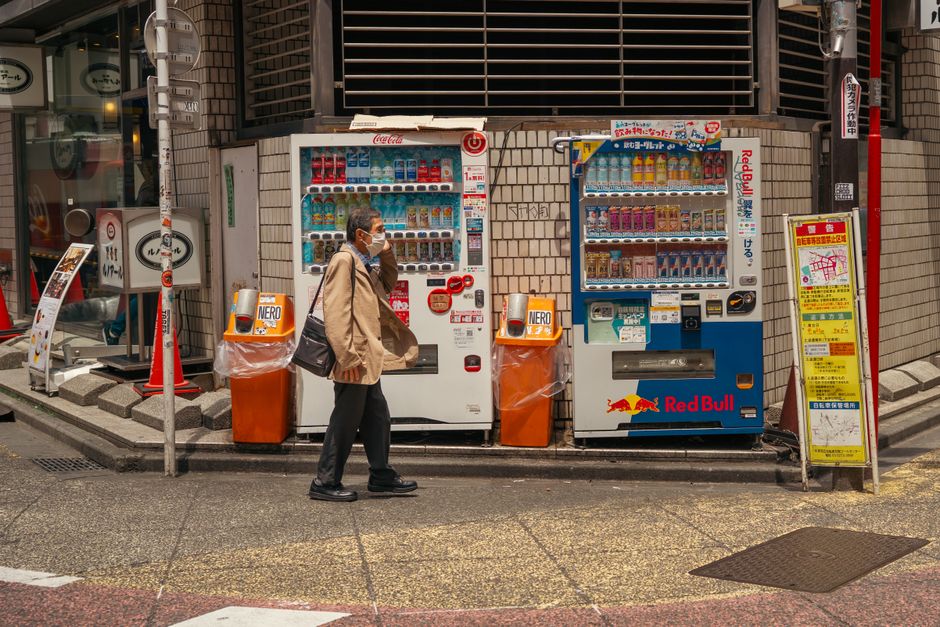
Tokyo's relentless pace—packed commuter trains on the Chiyoda Line, back-to-back meetings in Shinjuku's office towers, the perpetual hum of Shibuya's streets—creates a unique stress landscape. But emerging research from Japanese medical institutions shows that generic meditation apps won't cut it. What works requires understanding Tokyo's specific pressures and tailoring evidence-based techniques accordingly.
The Imperial Palace's 5-kilometre running circuit has become more than a jogger's haunt. A 2025 study from Tokyo Metropolitan University found that nature-adjacent aerobic exercise in familiar green spaces reduces cortisol levels 23% more effectively than gym workouts for urban residents. The palace grounds' accessibility—free entry, consistent foot traffic patterns—makes it ideal for stress-responsive exercise rather than forced meditation.
Shinrin-yoku, or forest bathing, remains scientifically validated. However, proximity matters. Rather than weekend trips to distant forests, research suggests 20-minute walks in closer urban sanctuaries like Rikugien Garden in Bunkyo ward or Meiji Shrine's wooded approach in Shibuya deliver measurable parasympathetic nervous system benefits. Japanese wellness centres now quantify this: a single session costs ¥2,000–¥3,500, though the practice itself is free.
Tokyo's onsen tradition aligns surprisingly well with modern stress neuroscience. Regular thermal bathing—specifically at temperatures between 38–40°C for 15 minutes—reduces anxiety markers comparable to pharmaceutical intervention, according to research published by Japan's National Institute of Health Sciences. Facilities like Oedo Onsen Monogatari in Asakusa charge ¥2,800 weekday admission; many workplace wellness programmes now subsidise visits.
The Pomodoro technique, adapted for Tokyo's work culture, shows documented success. Setting rigid 25-minute focus blocks followed by five-minute breaks—particularly effective during afternoon energy crashes—reduces decision fatigue. Japanese companies in the Marunouchi financial district report 18% productivity increases when implementing structured break intervals rather than continuous high-intensity work.
Finally, sleep hygiene remains foundational. Tokyo's world-class healthcare system emphasises sleep clinics at facilities like Seijoh Hospital in Minato ward. Evidence suggests that blocking blue light after 9 p.m.—critical in a city where nighttime remains artificially bright—improves REM sleep quality by 22%.
The takeaway: effective stress management in Tokyo isn't about aspirational wellness trends. It's about evidence-based practices that acknowledge the city's specific demands. Consult local healthcare professionals for personalised guidance, but start with what science confirms works within arm's reach.
This article was compiled by AI from the sources linked above and screened before publishing. See our editorial standards.
How does this story make you feel?
Spread the word
About this article
Published by The Daily Tokyo
Daily brief
Free, in your inbox before 7am. Weekdays.
More in Wellness