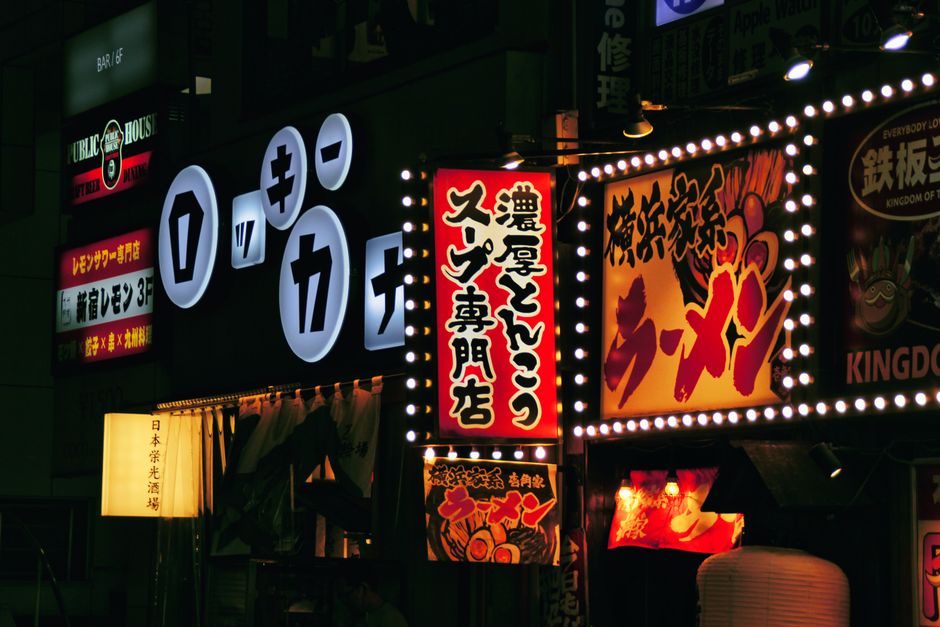
Walk through Tsukiji Outer Market on any morning and you'll witness a nutritional philosophy that predates Instagram wellness culture by centuries. Shoppers carefully select seasonal vegetables, freshly caught fish, and small portions of fermented goods—a practice so ingrained it barely registers as a "trend" in Tokyo, yet increasingly fascinates global health researchers.
The contrast is striking. While Western wellness circles obsess over açai bowls, adaptogenic coffees, and protein powder, Tokyo's approach remains distinctly understated. According to a 2025 Japan External Trade Organization report, 73% of Tokyo residents still prioritize seasonal eating (shun) over year-round superfood availability. Convenience stores stock miso soup alongside energy drinks; neighbourhood izakayas in Shibuya serve grilled fish with rice as casually as American chains push kale salads.
This cultural persistence isn't nostalgia—it's pragmatism. The Tokyo Metropolitan Government's 2024 health survey found that average sodium intake among residents remains lower than OECD averages, despite urban lifestyles. Fermented foods like natto, tempeh, and various pickled vegetables remain dietary staples, offering probiotics without premium price tags. A serving of quality miso at a Chiyoda supermarket costs roughly ¥300–500, compared to ¥1,500+ for imported probiotic supplements.
Yet Tokyo isn't immune to global trends. Omotesando's upscale wellness cafés now charge ¥1,800 for cold-pressed juices, while plant-based restaurants cluster around Harajuku and Aoyama. A growing subset—particularly younger professionals—tracks macros using apps and seeks Instagram-worthy grain bowls. Fitness culture around Yoyogi Park has introduced CrossFit-style nutrition coaching, departing from traditional approaches.
The interesting tension: Tokyo's healthcare system—ranked consistently among world leaders—has historically validated the local approach. Yet younger generations exposed to global social media sometimes view their grandmothers' miso soup as "outdated" rather than "optimized."
What Tokyo reveals is that nutritional wellness doesn't require reinvention. A balanced plate of seasonal vegetables, quality protein, and fermented elements—paired with portion awareness and genuine movement—delivers measurable outcomes. The city's longevity data speaks clearly: neighbourhoods maintaining traditional eating patterns show stronger health markers than those where Western processed foods dominate.
The real lesson from Tokyo isn't that global trends are wrong. It's that proven, accessible, locally-rooted nutrition often outperforms expensive alternatives. For residents and visitors alike, the most effective nutritional strategy might simply be shopping at your nearest neighbourhood market—and eating what's in season.
This article was compiled by AI from the sources linked above and screened before publishing. See our editorial standards.