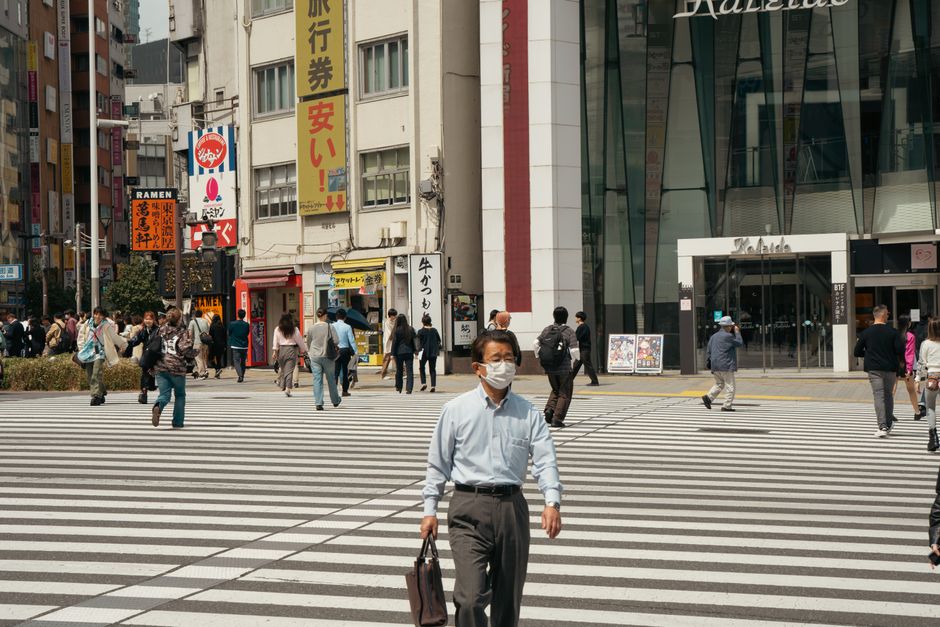
Walk through Shibuya or Shinjuku on any given morning, and you'll spot the telltale signs of yoga's presence in Tokyo: studio signage in both English and Japanese, rows of rolled mats stacked in storefronts, wellness influencers documenting their practice. Yet beneath this visible layer lies a quieter reality that sets Tokyo apart from global yoga wellness trends.
The Japanese approach to yoga meditation has historically been filtered through the country's own deeply rooted wellness traditions—onsen bathing, Zen meditation, and shiatsu bodywork. Rather than adopting the high-intensity, aesthetics-driven yoga culture dominating Western markets, Tokyo's established practitioners are increasingly blending gentle, meditative yoga with these indigenous practices. Studios in neighbourhoods like Harajuku and around Meiji Shrine favour slower-paced sessions emphasizing breathwork and mindfulness over the dynamic, Instagram-friendly flows prevalent globally.
Data reflects this nuance. Japan's wellness market has grown at roughly 4.2% annually over the past five years—modest compared to North America's 8.5%—suggesting cultural resistance to trend-chasing. Meanwhile, traditional meditation spaces continue to thrive. Temples around the Imperial Palace 5km circuit and throughout Yoyogi Park remain primary destinations for meditation-focused wellness seekers, particularly among Tokyo's ageing population, which increasingly turns to holistic practices for joint health and mental clarity.
Pricing reveals another divergence. While premium yoga studios in New York or London command $25–40 per class, Tokyo's equivalent typically ranges from ¥2,500–4,500 ($17–30). Simultaneously, free or donation-based meditation sessions at neighbourhood temples and community centres remain accessible, reflecting Japan's philosophy of wellness as communal rather than commodified.
The uptake pattern among younger Tokyo residents shows deliberate selectivity. Rather than adopting yoga wholesale, many integrate specific elements—meditation and breathwork—into existing routines alongside onsen visits or morning runs around nearby parks. This pragmatic eclecticism contrasts sharply with global wellness marketing, which often positions yoga meditation as a complete lifestyle overhaul.
Whether this measured approach reflects cultural prudence or represents a genuine alternative to commercialized wellness remains an open question. What's clear is that Tokyo's yoga meditation scene, while undeniably growing, remains tethered to local wisdom rather than global fashion. For wellness-minded residents and visitors, this suggests an opportunity to experience meditation through a distinctly Japanese lens—grounded, understated, and rooted in centuries of contemplative practice.
For personalized guidance on starting a yoga or meditation practice, consult a qualified local instructor or healthcare professional.
This article was compiled by AI from the sources linked above and screened before publishing. See our editorial standards.