Free Yoga Tokyo: Budget Wellness in Yoyogi Park & Beyond
Discover affordable yoga, meditation and tai chi across Tokyo's neighbourhoods. Free group sessions at Yoyogi Park, municipal wellness programmes and community classes without premium fees.
Discover affordable yoga, meditation and tai chi across Tokyo's neighbourhoods. Free group sessions at Yoyogi Park, municipal wellness programmes and community classes without premium fees.
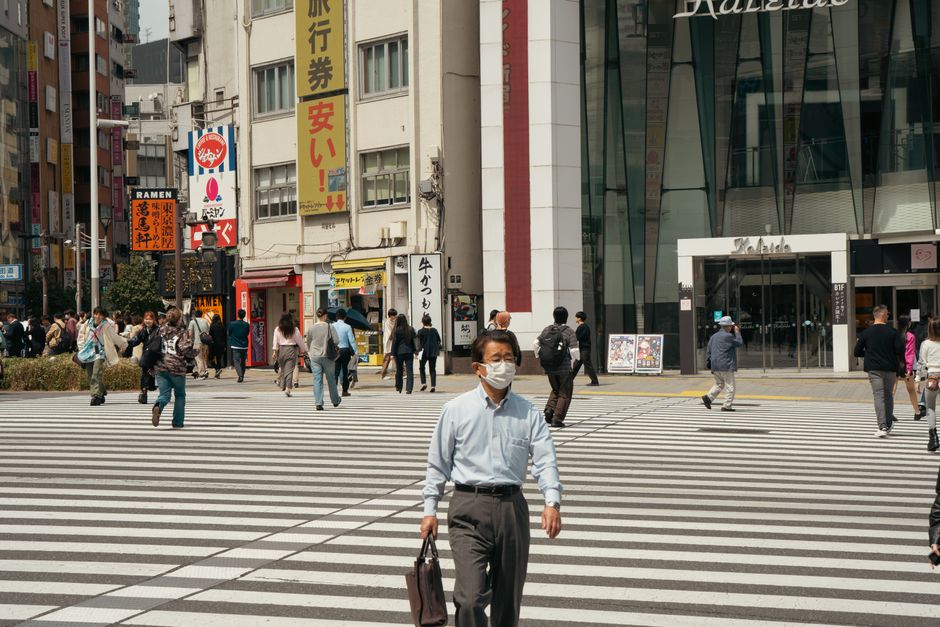
Tokyo's wellness culture runs deep, but the assumption that quality yoga and meditation requires premium membership fees misses a quieter, more accessible reality. Across the city's neighbourhoods, free and low-cost options exist for those willing to seek them out—many rooted in Japan's longstanding respect for preventive health and community wellbeing.
Yoyogi Park remains the city's most democratic wellness hub. Weekend mornings bring dozens of informal yoga and tai chi groups to the open fields near the southern entrance. While unstructured, these sessions reflect Tokyo's tradition of shared practice spaces. For something more organised, the Tokyo Metropolitan Government's Sports Centres network—with 12 locations across wards including Shibuya, Shinjuku and Minato—offers yoga classes from ¥500–¥1,500 per session, roughly 60% cheaper than private studios. The Minato Centre near Kamiyacho station hosts beginner meditation workshops monthly at ¥700.
Community-based wellness programmes often operate beneath the tourist radar. The Chiyoda ward citizen's hall in Akihabara runs quarterly free meditation sessions. Across Setagaya, neighbourhood wellness clubs offer monthly yoga at nominal fees—typically ¥800–¥1,200. These aren't luxurious, but they're genuine, populated by locals seeking sustainable practice rather than Instagram-ready experiences.
Japan's onsen culture intersects with holistic wellness in ways unique to Tokyo. While traditional bathhouses (sento) charge ¥500–¥700 and aren't specifically wellness-focused, several neighbourhood facilities in areas like Asakusa and Koenji integrate basic stretching guidance. The practice of mindful bathing—part of Japan's wellness heritage—costs nothing extra.
Digital access has expanded options further. Several Tokyo-based wellness nonprofits and volunteer-run organisations offer Zoom meditation circles free or donation-based. The Tokyo Wellness Association maintains a searchable directory of community programmes across 23 wards, though navigating Japanese language interfaces requires patience.
Temples and shrines occasionally host meditation sessions. Meiji Shrine's grounds and smaller temples throughout Harajuku and Omotesando sometimes welcome visitors for guided zazen (sitting meditation) at no charge, though donations are appreciated. These sessions blend Buddhist practice with secular wellness benefits.
The economic barrier to wellness shouldn't be overstated in Tokyo. Between municipal infrastructure, community commitment and Japan's philosophy of accessible health, the city rewards those willing to step beyond commercial studios. The investment required—often just time and a willingness to show up—may deliver more sustainable practices than expensive memberships ever do.
For current schedules and locations, consult individual ward government websites or visit your nearest civic centre. Always consult local healthcare professionals regarding personal wellness needs.
This article was compiled by AI from the sources linked above and screened before publishing. See our editorial standards.
How does this story make you feel?
Spread the word
About this article
Published by The Daily Tokyo
Daily brief
Free, in your inbox before 7am. Weekdays.
More in Wellness


