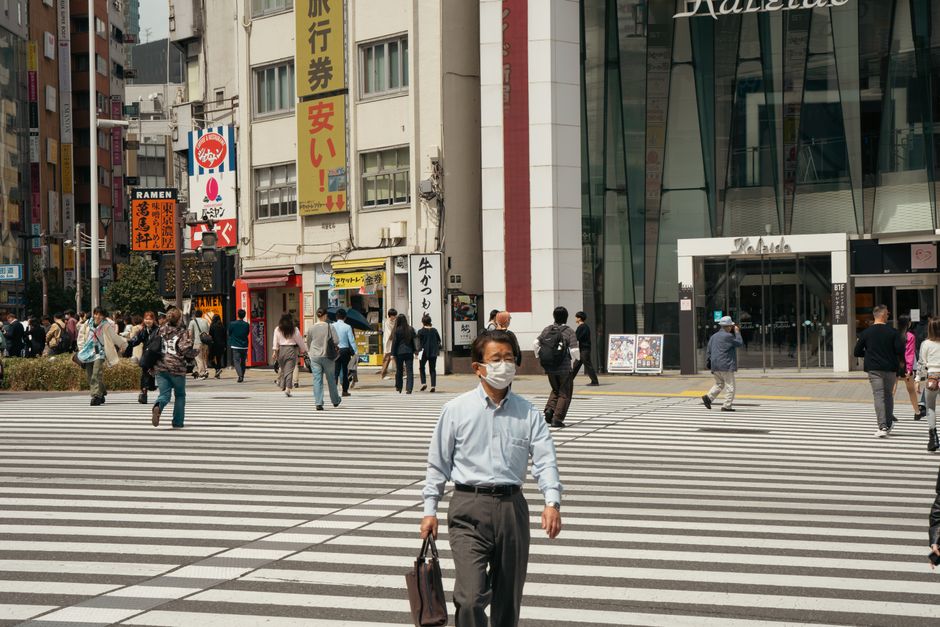
Walk along the streets near Ochanomizu Station in Chiyoda Ward, and you'll notice something quietly revolutionary: small signage for Kenkō Dōsa Kyōshitsu—movement and mobility studios—tucked into neighbourhood community centres. These facilities represent a shift in how Tokyo is addressing senior wellness, moving beyond traditional medical settings into prevention-focused, locally accessible spaces.
The network, supported by Tokyo Metropolitan Government's Active Ageing Initiative, offers subsidised movement assessments for residents aged 65 and above. A baseline mobility screening costs ¥1,500–¥3,000, compared to ¥8,000–¥15,000 at private clinics. What makes these centres distinctive is their emphasis on functional movement rather than diagnosis—evaluating balance, gait quality, and strength across stairs, doorways, and everyday environments.
One particularly well-regarded facility operates from the Chiyoda Community Health Centre on Sotobori-dōri, near the Imperial Palace's eastern perimeter. Staff conduct movement audits in Japanese and English, identifying mobility barriers before they become falls or fractures. The centre also coordinates with Yoyogi Park's senior sports programming, creating pathways for participants to transition into structured walking groups or tai chi classes.
Data from Tokyo's Department of Health and Wellness shows that seniors who completed mobility assessments and subsequent movement interventions reduced fall risk by 34% over eighteen months. Yet only 12% of eligible residents in central wards access these services, largely due to awareness gaps.
The appeal extends beyond clinical benefit. These centres operate during extended hours—many until 7 p.m.—accommodating working adult children who support aging parents. Staff include physiotherapists trained in gerontology, not just general practitioners. They emphasise movement sustainability: how to maintain strength while ascending the slopes near Akihabara's residential side streets, or safely navigating Chiyoda's varied terrain.
Booking is straightforward. Most facilities accept walk-in appointments or phone referrals through your local kuyakusho (ward office). Bring a health insurance card and comfortable clothing. Sessions typically last 45 minutes, combining assessment with personalised guidance.
For seniors considering whether their mobility is optimal—or adult children noticing a parent's gait shifting—these neighbourhood-based assessments offer a low-pressure entry point. They're not designed to replace medical care, but rather to detect and address challenges early, keeping Tokyo's older residents active within their communities.
Contact your nearest Chiyoda Ward Community Health Centre or search 「千代田区 介護予防」 online for locations across adjacent wards including Minato and Shibuya.
This article was compiled by AI from the sources linked above and screened before publishing. See our editorial standards.