Five Evidence-Based Nutrition Tips That Actually Work in Tokyo's Climate and Pace
From humidity-driven hydration to timing meals around rush hour, here's what science says about eating well in Japan's capital.
From humidity-driven hydration to timing meals around rush hour, here's what science says about eating well in Japan's capital.
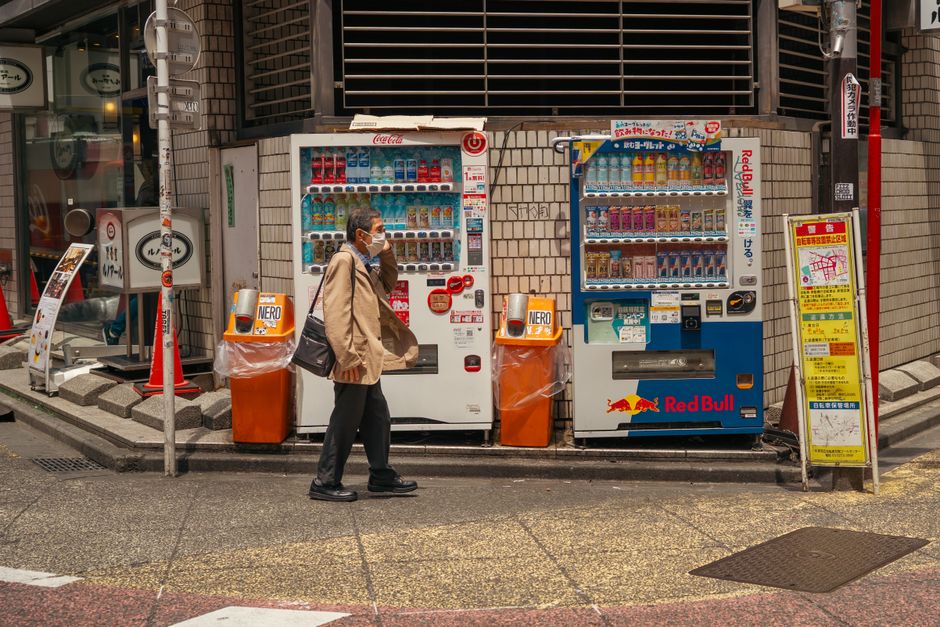
Tokyo's summer humidity peaks at 80% by late June, a seasonal reality that reshapes how nutrition science applies to daily life. Unlike generic wellness advice, eating well here means understanding local conditions: the summer commute stress, year-round air quality, and access to hyperlocal ingredients that differ from most cities worldwide.
Start with hydration timing. The Imperial Palace 5km running circuit draws thousands during early morning hours when air quality is optimal. Runners here benefit from electrolyte replenishment within 30 minutes post-exercise—not just water. Tokyo's summer sweat losses average 1.2 litres per hour, according to sports medicine research from nearby university hospitals. Convenience stores stock ion-balance drinks affordably (¥150–200), making this evidence-based approach practical rather than aspirational.
Second: leverage seasonal produce strategically. Tsukiji Outer Market and Toyosu Market data show summer vegetables—nasu (eggplant), okra, and bitter melon—peak in June and July at ¥80–150 per bundle. These aren't trendy; they're climatically aligned. Bitter melon contains compounds that support glucose regulation during high-stress periods. Incorporating one seasonal vegetable daily into meals costs less than imported supplements and delivers measurable micronutrient density.
Meal timing matters more in Tokyo than elsewhere. Rush-hour stress (peak 8–9am and 5–7pm) triggers cortisol spikes that affect digestion and nutrient absorption. Eating substantial meals outside these windows—breakfast before 7am, dinner after 8pm—aligns with circadian science and Japanese dining culture simultaneously. Convenience store onigiri (¥130–200) and bento boxes (¥500–800) from chains like Family Mart and Lawson provide accessible, portion-controlled options for off-peak eating.
Third: traditional onsen culture supports mineral absorption. Post-soak meals absorb nutrients more efficiently due to improved circulation. The kanji-rich menu boards at neighborhood ramen shops near Shinjuku-ku or Shibuya-ku list broths simmered for 12+ hours—collagen-rich, evidence-backed for joint and skin health. A basic bowl costs ¥900–1,200.
Finally, address air quality nutritionally. Tokyo's PM2.5 levels fluctuate seasonally. Antioxidant-rich foods—nori seaweed (¥300–500 per packet), shiitake mushrooms (¥400–600 per pack)—help counteract oxidative stress from particulate exposure. These aren't exotic; they're available at any supermarket in Chiyoda, Minato, or residential wards.
Nutrition science works best when it fits local reality, not against it. Tokyo's infrastructure, seasonality, and food systems already support evidence-based eating. The gap isn't knowledge—it's alignment.
This article was compiled by AI from the sources linked above and screened before publishing. See our editorial standards.
How does this story make you feel?
Spread the word
About this article
Published by The Daily Tokyo
Daily brief
Free, in your inbox before 7am. Weekdays.
More in Wellness