Five Daily Habits Tokyo Seniors Are Using to Stay Mobile and Independent
From staircase training in Ginza to morning walks around the Imperial Palace circuit, older Tokyoites share the unglamorous routines that keep them moving.
From staircase training in Ginza to morning walks around the Imperial Palace circuit, older Tokyoites share the unglamorous routines that keep them moving.
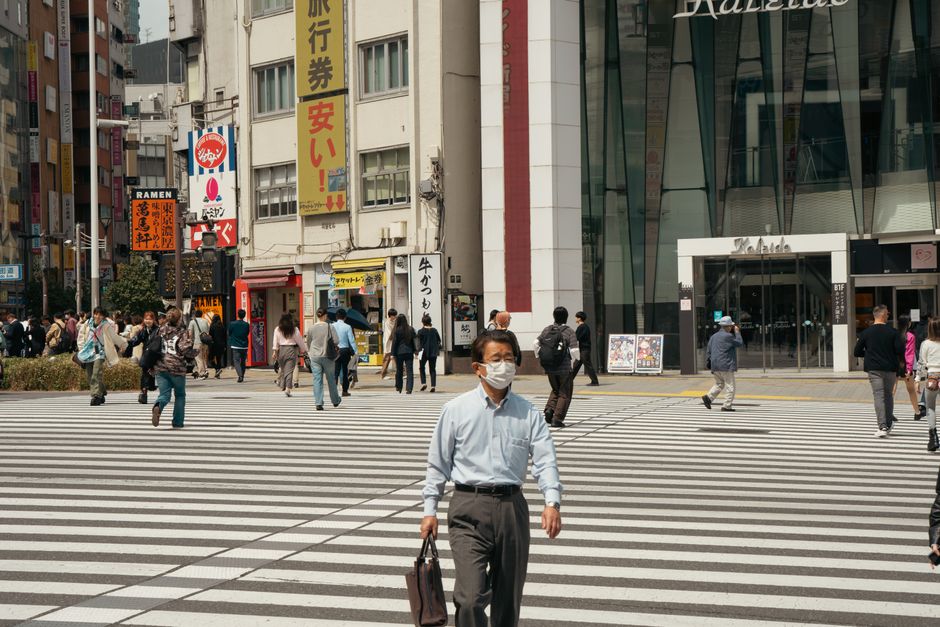
Fumie Tanaka, 71, doesn't use the escalator at Shinjuku Station anymore. Instead, she climbs the stairs—slowly, deliberately, gripping the handrail—three times a week during her visits to the Isetan department store. It takes her longer now, but she's noticed her knees feel stronger. "The stairs are free training," she says. "Why waste them?"
Across Tokyo, seniors are discovering that mobility in later life isn't about expensive gym memberships or intensive rehab programs. It's about weaving movement into the fabric of daily life, using the city's unique geography and cultural infrastructure as a wellness toolkit.
The Imperial Palace's 5-kilometre running circuit has long attracted serious athletes, but increasingly it draws older residents walking its perimeter three or four times weekly. The flat, safe route near Chiyoda ward requires no gym membership—just consistency. Tokyo Metropolitan Government data from 2024 suggests that adults over 60 who maintain regular walking routines (defined as 30 minutes, five days weekly) report 23% fewer mobility limitations by age 75.
Local onsen culture reinforces this habit. Traditional bathhouses in neighbourhoods like Sanya and Kuramae charge around ¥500–700 per visit and naturally encourage slow movement: changing rooms, soaking, gentle stretching. Regular bathers report improved circulation and flexibility, though experts emphasise that hot water alone isn't the mechanism—it's the routine and the walking to reach the facility that matters.
Morning shopping in neighbourhood shotengai (shopping streets) in areas like Yanaka and Yanesen offers another low-barrier strategy. Purchasing small quantities daily rather than weekly supermarket trips forces seniors to walk familiar routes, manage stairs, and maintain social connection with local shopkeepers. It's incidental exercise disguised as errands.
Tokyo's dense train network, often seen as a challenge for ageing bodies, actually encourages stair use. Many stations near residential areas in Setagaya and Meguro still lack full elevator coverage, making the stairs unavoidable—and therefore a built-in part of the mobility routine.
The common thread: none of these habits feel like formal exercise. They're woven into existing rhythms—commuting, shopping, bathing, walking to transport hubs. They cost little or nothing, require no special equipment, and integrate naturally into Tokyo's urban landscape.
Mobility in later life, locals have learned, isn't about extraordinary effort. It's about consistency in ordinary movement, using the city as a partner in ageing well.
This article was compiled by AI from the sources linked above and screened before publishing. See our editorial standards.
How does this story make you feel?
Spread the word
About this article
Published by The Daily Tokyo
Daily brief
Free, in your inbox before 7am. Weekdays.
More in Wellness