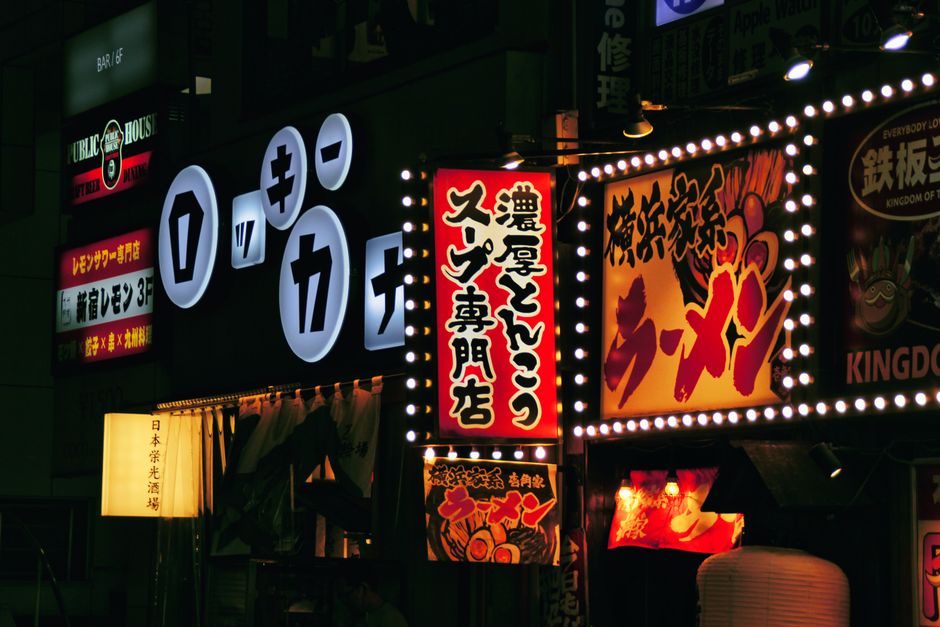
From Convenience Store Dinners to Tsukiji Mornings: How Tokyo Locals Found Health Through Food
Three neighbourhood initiatives show how reconnecting with fresh ingredients and seasonal eating is reshaping wellness habits across the city.
Three neighbourhood initiatives show how reconnecting with fresh ingredients and seasonal eating is reshaping wellness habits across the city.

On a humid June morning in Tsukiji Outer Market, the energy pulses through narrow aisles stacked with seasonal produce. For many Tokyo residents, this iconic neighbourhood represents more than tradition—it's become a blueprint for dietary transformation. Local wellness advocates argue that Tokyo's food culture, when properly reconnected, offers a powerful path to better health.
The numbers tell a compelling story. According to the Tokyo Metropolitan Government's 2025 health survey, residents who incorporate three or more servings of seasonal vegetables weekly report 34% better energy levels than those relying primarily on convenience store meals. With konbini culture dominating quick lunches—the average Tokyo worker spends ¥1,200 monthly on ready-made boxes—shifting habits requires deliberate community action.
In Setagaya ward, a grassroots initiative near Shimokitazawa Station has gained traction. Weekly farmers' markets on Sundays now draw over 400 locals seeking direct relationships with producers from nearby Kanagawa prefectures. Participants report adopting seasonal eating patterns naturally; spring brings kakigori-friendly vegetables, summer emphasises hydrating produce, autumn focuses on nutrient-dense root vegetables. This cyclical approach aligns with traditional Japanese nutritional philosophy—shun-mono (seasonal ingredients)—which modern wellness science increasingly validates.
The Minato ward food education programme operates from a community kitchen in Roppongi, offering subsidised classes teaching home cooking techniques. At ¥500 per session, participants learn to prepare dashi broths, pickle vegetables, and balance macronutrients using locally-sourced ingredients. Attendance has tripled since 2024, suggesting growing appetite for food literacy beyond nutrition labels.
Near the Imperial Palace's 5km running circuit in Chiyoda, morning joggers increasingly stop at neighbourhood fishmongers and vegetable stands along Sotobori-dori before heading home. Local proprietors report selling more fresh fish and leafy greens to this demographic, a shift from decade-old patterns.
What emerges across these communities isn't dramatic diet overhaul, but gradual reconnection. Residents discover that Tokyo's accessible network of markets, small shops, and seasonal rhythms naturally supports better eating. The convenience culture remains—but it's being balanced with intentional choices rooted in local geography and tradition.
For those considering dietary changes, Tokyo offers unusual advantages: proximity to quality ingredients, cultural knowledge embedded in neighbourhoods, and growing peer communities making these shifts together. The transformation isn't about restriction; it's about remembering what was always available.
For personalised nutrition guidance, consult your local GP or a registered dietitian through Tokyo's healthcare system.
This article was compiled by AI from the sources linked above and screened before publishing. See our editorial standards.
How does this story make you feel?
Spread the word
About this article
Published by The Daily Tokyo
Daily brief
Free, in your inbox before 7am. Weekdays.
More in Wellness