Tokyo's Mindfulness Revolution: How Stress Management Is Reshaping the City's Wellness Culture
From Shibuya's meditation studios to corporate wellness programmes in Marunouchi, Tokyo is embracing mindfulness as the antidote to urban burnout.
From Shibuya's meditation studios to corporate wellness programmes in Marunouchi, Tokyo is embracing mindfulness as the antidote to urban burnout.
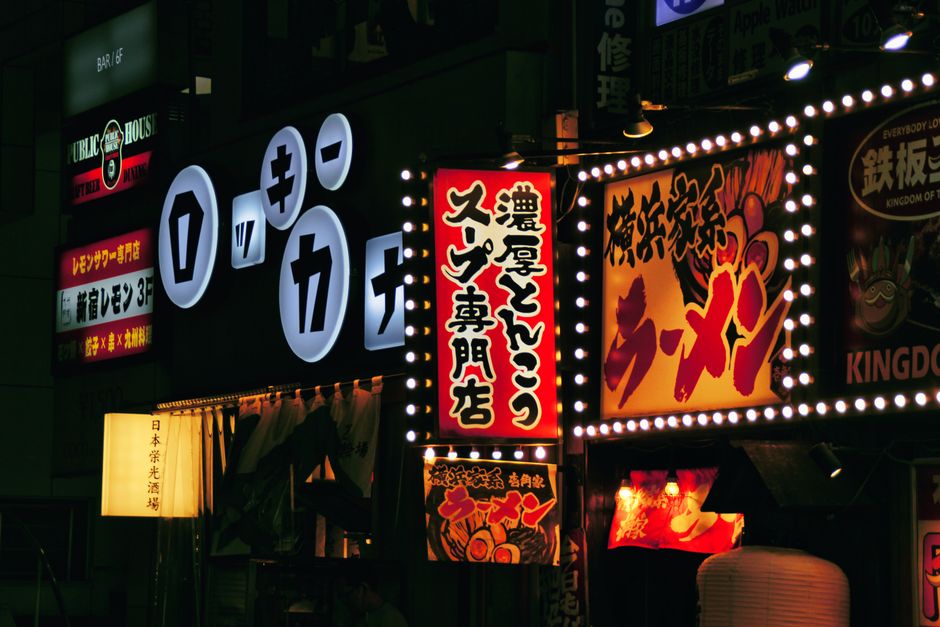
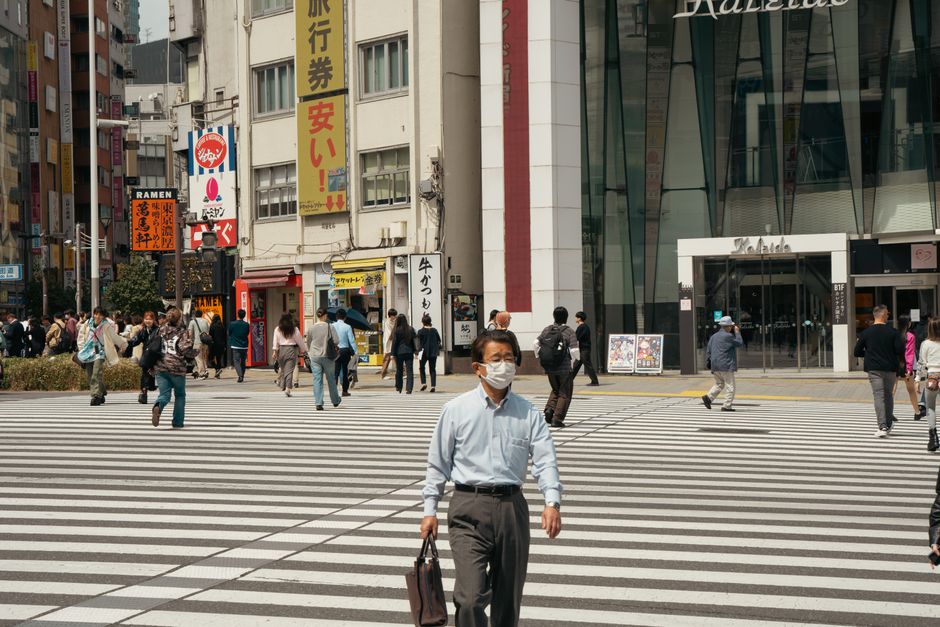
Walk through Omotesando on any weekday morning and you'll notice something shifting in Tokyo's wellness landscape. Meditation studios are opening faster than ramen shops, mindfulness apps are becoming as common as commuter passes, and conversations about mental health stress management—once whispered in private—are now mainstream.
The numbers tell the story. Mental health-related clinic visits in Tokyo have increased by 23% since 2023, according to data from the Tokyo Metropolitan Health and Welfare Bureau. Simultaneously, the city's mindfulness and meditation market has grown to an estimated ¥8.2 billion annually, with apps, classes, and corporate programmes driving adoption across all age groups.
In Harajuku, boutique studios like those clustered near Meiji-dori are offering guided breathing sessions tailored to Tokyo's salary workers. Sessions typically cost ¥3,500 to ¥5,000 per class, with packages bringing that down to ¥2,800 per session. Corporate clients in the Marunouchi financial district—where the pressure-cooker environment has long defined office culture—are now investing in on-site mindfulness programmes, recognising that stress management directly impacts productivity and retention.
The Yoyogi Park area has become a hub for outdoor mindfulness practices. Weekend morning groups gather along the park's running circuits, blending the city's traditional jogging culture with guided meditation and breathwork. The free sessions, organised through neighbourhood associations and wellness nonprofits, attract hundreds each week—a visible symbol of how stress management has moved beyond luxury wellness into everyday life.
Tokyo's healthcare system has also adapted. Major hospitals, including those in Shibuya and Shinjuku wards, now offer mindfulness-based cognitive therapy (MBCT) programmes alongside conventional treatments. These evidence-based approaches address the city's rising anxiety and sleep disorder rates, particularly among those aged 25–45.
The cultural shift reflects broader urban pressures: intense work schedules, crowded commutes on the Yamanote Line, and the psychological weight of living in one of the world's most expensive cities. But Tokyo's integration of mindfulness into its wellness ecosystem—blending contemporary psychology with the city's onsen bathing tradition and Zen-influenced aesthetics—feels distinctly local.
As more Tokyoites seek balance amid relentless urban demands, mindfulness isn't just a trend. It's become part of how this city reimagines wellness for the modern age.
This article was compiled by AI from the sources linked above and screened before publishing. See our editorial standards.
How does this story make you feel?
Spread the word
About this article
Published by The Daily Tokyo
Daily brief
Free, in your inbox before 7am. Weekdays.
More in Wellness