Your guide to accessing free or low-cost wellness screenings across Tokyo
From municipal health centres to neighbourhood clinics, Tokyo's public health system offers preventive care that won't drain your wallet.
From municipal health centres to neighbourhood clinics, Tokyo's public health system offers preventive care that won't drain your wallet.
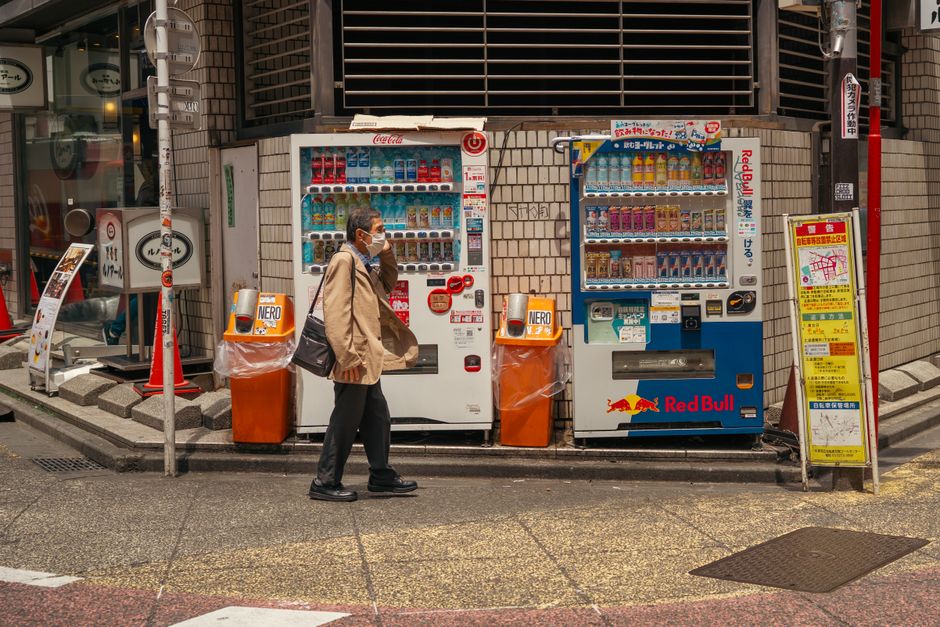
Tokyo residents often overlook one of the city's most underutilised assets: its comprehensive network of free and heavily subsidised wellness services. Whether you're a long-term resident or newer to the capital, understanding how to navigate preventive health screenings here can transform your approach to staying well.
Start with your ward office. Every ku (ward) across Tokyo's 23 wards operates free annual health screenings for residents aged 40 and above. These include blood pressure checks, cholesterol panels, and glucose testing—typically conducted at local community centres or dedicated health facilities. In Shibuya ward, the Shibuya Health Centre near Omotesando offers comprehensive checks at no charge. Minato ward runs similar programmes through facilities in Azabu-Juban and near Tamachi Station. The screening season runs primarily from May through September, though some wards extend into October.
Chiyoda ward, encompassing the Imperial Palace area and central business districts, provides subsidised cancer screenings (breast, cervical, colorectal) for around ¥1,000–¥2,000—roughly 80–90% below private clinic costs. Similar pricing applies across most wards. Women aged 20 and above can access cervical cancer screenings; mammography begins at 40.
For those without ward registration, Tokyo Metropolitan Government Health and Medical Information Centre (located in Shinjuku) offers guidance on accessing services regardless of residency status. Many international community centres in areas like Roppongi and Akasaka maintain relationships with local clinics offering affordable preventive care.
Don't overlook occupational health if you're employed. Most Japanese companies maintain health insurance that covers annual shinkenshin (comprehensive health check-ups) either free or with minimal copays. This typically includes lung X-rays, ECG, and detailed blood work—far more extensive than many private schemes elsewhere.
The traditional onsen wellness culture, while recreational, complements preventive care philosophically. Regular visits to public bathhouses like those around Ikebukuro's Kasuga area cost ¥500–¥800 and support circulation and stress reduction—both preventive health factors recognised by Tokyo's public health authorities.
Timing matters: book screenings during your ward's designated season (usually spring) rather than waiting. Many centres fill quickly. Bring your health insurance card and residence certificate to your ward office to register for programmes.
Tokyo's preventive health infrastructure exists to keep residents well before illness develops. The investment required is minimal; the benefit—early detection and peace of mind—is substantial.
This article was compiled by AI from the sources linked above and screened before publishing. See our editorial standards.
How does this story make you feel?
Spread the word
About this article
Published by The Daily Tokyo
Daily brief
Free, in your inbox before 7am. Weekdays.
More in Wellness