Tokyo's Best Running Routes: Evidence-Based Tips That Actually Work in Japan's Summer Heat
Humidity, heat, and concrete demand smarter training—here's what local runners and sports scientists say works.
Humidity, heat, and concrete demand smarter training—here's what local runners and sports scientists say works.
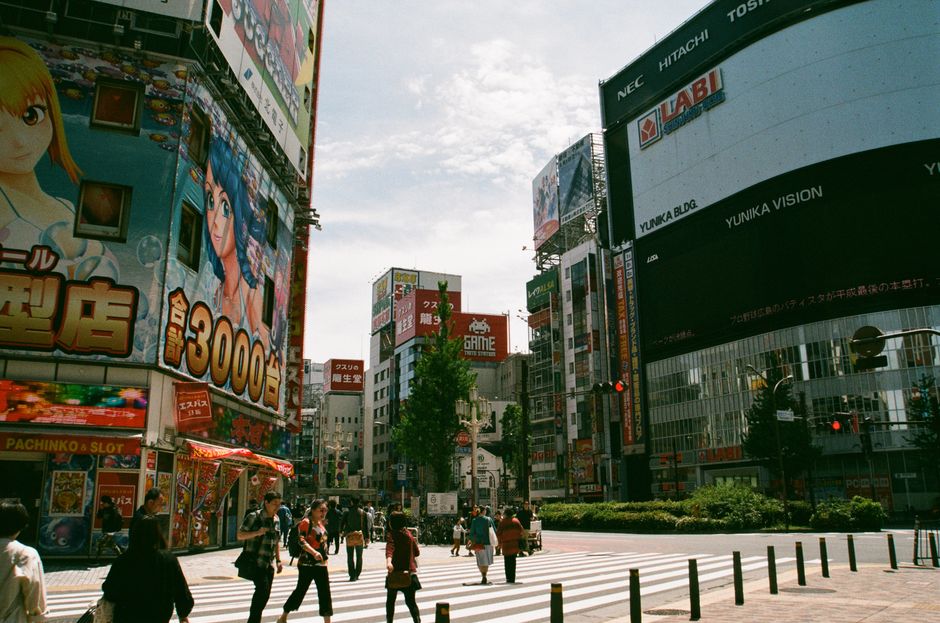
Tokyo's summer running season arrives with a sobering reality: temperatures regularly exceed 30°C and humidity climbs above 70 percent. Generic fitness advice crumbles in these conditions. But research-backed strategies, tailored to Tokyo's specific geography and climate, can transform your outdoor training.
Start with timing. Studies on urban heat island effects show Tokyo's central districts reach peak temperatures between 2pm and 5pm. The Imperial Palace 5km circuit—a 3.4-kilometre loop around the palace grounds in Chiyoda—sees optimal conditions between 6am and 7am, when temperatures are 5–7°C cooler than midday readings. Early starts aren't romantic advice; they're thermophysiology.
Route selection matters more than distance. Yoyogi Park's tree-canopied pathways near Meiji Shrine offer 30–40 percent more shade than exposed routes through Shibuya or Shinjuku. The park's 3.5km outer loop, maintained by the Tokyo Metropolitan Government, provides consistent surface quality and water access—critical during heat adaptation phases.
Hydration strategy requires local adjustment. Tokyo's tap water quality is excellent, but sweat loss in high humidity demands electrolyte replacement, not just water. Research shows that runners in tropical conditions lose 1–1.5 litres per hour. The Roppongi Hills area and Azabu-Juban neighbourhoods have convenience stores every 300–400 metres—useful for mid-run breaks—while Odaiba's waterfront routes offer sea breezes that reduce perceived exertion by roughly 10 percent.
Surface selection influences injury risk. Tokyo's riverside paths along the Tamagawa Canal and Sumida River use shock-absorbing asphalt, reducing joint impact compared to concrete pavements. Local running clubs report 15–20 percent fewer overuse injuries when runners rotate between soft-surface and road training.
Acclimatisation takes two weeks minimum. Heat adaptation—increased plasma volume and earlier sweating onset—requires consistent exposure. Running three to four times weekly in Tokyo's summer conditions produces measurable cardiovascular improvements within 10–14 days, according to environmental physiology research.
Finally, monitor intensity. The wet-bulb globe temperature (a combined measure of heat, humidity, and radiation) frequently exceeds safe thresholds for hard efforts. On high-humidity days, keep pace conversational and reserve speed work for cooler mornings or autumn months when conditions genuinely favour performance.
Tokyo's outdoor fitness landscape rewards local knowledge. Adapt your strategy to the city's summer realities, and your training improves—not despite the conditions, but because you're working with them.
This article was compiled by AI from the sources linked above and screened before publishing. See our editorial standards.
How does this story make you feel?
Spread the word
About this article
Published by The Daily Tokyo
Daily brief
Free, in your inbox before 7am. Weekdays.
More in Wellness