Five Daily Habits Tokyo Residents Swear By to Stay Ahead of Health Problems
From morning blood pressure checks to evening onsen routines, locals across the capital have built simple practices that catch disease early.
From morning blood pressure checks to evening onsen routines, locals across the capital have built simple practices that catch disease early.
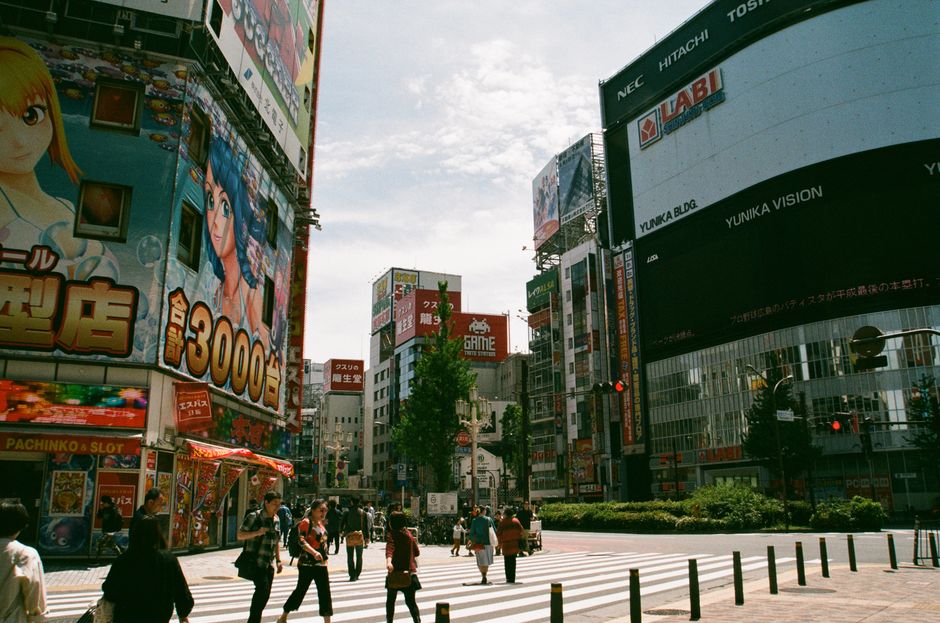
Walk through Ginza on any weekday morning and you'll spot a familiar sight: office workers pausing at vending machines not for coffee, but to check their blood pressure. This small ritual reflects a broader shift in Tokyo's approach to preventive health—one where daily habits, rather than urgent clinic visits, form the backbone of wellness.
The Tokyo Metropolitan Government's 2025 Health Promotion Survey found that 68% of residents now perform at least one preventive health check at home monthly, up from 42% in 2019. Dr. Hiroshi Tanaka, wellness director at Chiyoda Ward's community health centre near Ochanomizu, attributes this partly to accessibility. "Blood pressure monitors cost under ¥2,000 now. Home scales that measure body composition are standard. People aren't waiting for annual screenings anymore."
Morning walks along the Imperial Palace 5km circuit have become more than exercise. Many locals time these walks with informal health monitoring—tracking energy levels, breathing ease, and joint flexibility. "I notice changes week to week," says one regular jogger from Marunouchi. "Small shifts alert me to bigger problems before they develop."
The onsen tradition, once purely recreational, has evolved into preventive practice. Facilities across Asakusa and Shibuya now display water temperature guides linked to cardiovascular benefits, and some track visitor frequency patterns as wellness markers. Regular bathing—three to four times weekly in water around 40°C—correlates with better circulation and lower stress markers in Tokyo's aging demographic.
Smartphone apps integrated with local clinics have transformed routine habits into data points. Residents in Shinjuku and Shibuya wards can now upload home blood sugar, weight, and heart rate readings directly to their GP's portal. The Minato Ward Health Centre reports that 54% of its registered users flag concerning trends themselves before clinical appointments.
Dietary habits have shifted too. The traditional breakfast practice of miso soup and grilled fish—rich in probiotics and omega-3s—is experiencing renewed appreciation among younger professionals who abandoned it for convenience. Convenience stores across Tokyo now stock traditional breakfast sets, signalling market recognition of preventive eating patterns.
Perhaps most significantly, locals have embraced the concept of "kenkou shukan"—health habits. Rather than viewing prevention as medical intervention, many see it as daily ritual: checking weight, noting mood, observing digestion, monitoring sleep quality. These micro-observations rarely require a doctor visit, yet they create early warning systems embedded in daily life.
For Tokyo residents, prevention increasingly means staying curious about small changes, not waiting for symptoms to demand attention.
This article was compiled by AI from the sources linked above and screened before publishing. See our editorial standards.
How does this story make you feel?
Spread the word
About this article
Published by The Daily Tokyo
Daily brief
Free, in your inbox before 7am. Weekdays.
More in Wellness