Tokyo's Free Senior Fitness Programs: How Local Councils Are Making Wellness Accessible
As Japan's population ages, ward offices across Tokyo are rolling out no-cost group exercise initiatives—removing the biggest barrier to staying active.
As Japan's population ages, ward offices across Tokyo are rolling out no-cost group exercise initiatives—removing the biggest barrier to staying active.
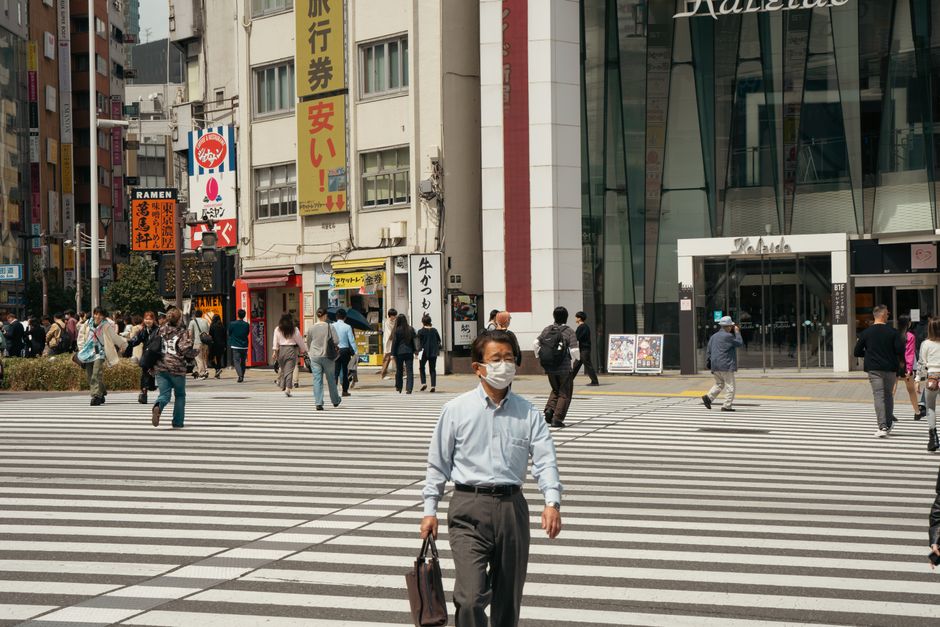
Walking past Yoyogi Park on a Tuesday morning, you'll spot clusters of older Tokyoites in matching athletic wear, moving through tai chi sequences under the summer sky. What many don't realize is that these sessions, along with dozens of others happening across the city's 23 wards, are entirely free—funded by local council budgets dedicated to preventive health.
The shift reflects a broader reality: Japan's aging society demands innovation. With nearly 30 percent of Tokyo's population now over 65, ward offices have recognized that subsidized group fitness isn't a luxury—it's infrastructure. Chiyoda Ward, which encompasses the Imperial Palace district, offers weekly water aerobics at municipal pools in Sotokanda and Kanda-Sudacho, targeting joint health and cardiovascular fitness. Shibuya Ward runs free balance and flexibility classes in community centers across Harajuku and Dogenzaka, focusing on fall prevention—a critical concern for seniors.
Minato Ward has expanded its offerings significantly over the past three years. Their "Health Promotion Centers" in Roppongi, Azabu-Juban, and near Shinbashi station host everything from low-impact aerobics to strength training adapted for older bodies. Classes typically run 45 to 60 minutes, twice weekly, with trained instructors familiar with age-related mobility considerations. Registration requires only proof of residency and a simple health screening questionnaire.
The data speaks clearly. According to Tokyo Metropolitan Government figures, participation in council-sponsored senior fitness programs has grown by approximately 22 percent since 2024. Ward councils estimate that every yen invested in preventive group exercise saves three to four yen in future healthcare costs—a compelling argument for budget allocation.
Beyond physical benefits, these programs address Japan's documented loneliness epidemic among older adults. Group exercise creates social bonds, routine, and community identity. Participants often become regulars, building friendships that extend beyond class time.
For seniors considering joining, the entry point is simple: visit your local ward office's health promotion section or check their municipal website. Most wards maintain English-language resources. Classes are stratified by fitness level, so beginners and experienced exercisers alike find appropriate programming.
As one wellness expert noted in recent research, smaller doses of consistent exercise offer protective benefits for joint health and cognitive function—precisely what these accessible, regular sessions provide. In a city where wellness can feel like a luxury pursuit, Tokyo's councils are democratizing fitness, proving that staying active in your 60s, 70s, and beyond doesn't require expensive memberships or personal trainers.
This article was compiled by AI from the sources linked above and screened before publishing. See our editorial standards.
How does this story make you feel?
Spread the word
About this article
Published by The Daily Tokyo
Daily brief
Free, in your inbox before 7am. Weekdays.
More in Wellness


