Five Sleep Habits Tokyo Residents Are Using to Reset Their Routines
From Shibuya office workers to Setagaya families, locals share the practical evening rituals that have transformed their rest.
From Shibuya office workers to Setagaya families, locals share the practical evening rituals that have transformed their rest.
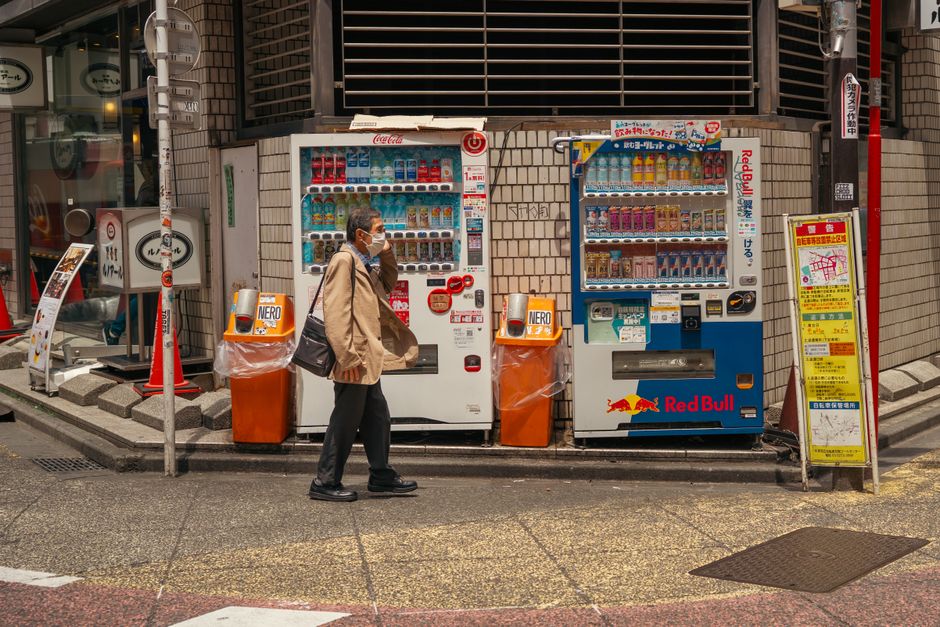
Tokyo's notoriously demanding lifestyle—long commutes, tight work schedules, and the constant hum of urban energy—has long made quality sleep elusive. Yet across neighbourhoods from Minato to Shinjuku, residents are reclaiming their nights through surprisingly simple, repeatable habits that require minimal investment beyond consistency.
The most widely adopted practice among Tokyo's wellness-conscious residents is a structured evening wind-down beginning 90 minutes before bed. Rather than scrolling through phones until pillow time, locals in areas like Roppongi and Azabu-Juban report success with tech-free periods starting around 9:30pm. This aligns with guidance from Tokyo's National Center of Neurology and Psychiatry, which emphasizes the impact of blue light on sleep onset.
Temperature regulation has emerged as another game-changer. Many Tokyoites now use their air conditioning strategically, cooling bedrooms to 16–18°C in summer months—a habit popularized by residents near Yoyogi Park who've incorporated it into their evening routines. The cost is negligible compared to the sleep quality gains reported by participants in recent wellness surveys across the city.
A third trend involves integrating Tokyo's onsen tradition into home life. Weekly soaks in heated water—whether at local facilities in Ikebukuro or Chiyoda, or at home using bath salts—taken 60–90 minutes before sleep, have become non-negotiable for many. A 20-minute soak at body temperature around 40°C primes the body's natural cooling process, signaling sleep readiness.
Meal timing has proven equally influential. Residents near Aoyama and Harajuku increasingly avoid eating within three hours of bedtime, prioritizing lighter evening meals around 7pm to support digestive rest. This shift reflects a broader acknowledgment that digestion can interfere with sleep architecture.
Finally, morning light exposure—particularly a walk along the Imperial Palace circuit or through nearby parks—has become a cornerstone habit. Residents report that 20–30 minutes of daylight in the early hours recalibrates circadian rhythms, making evening sleep more natural and restorative.
What makes these habits stick isn't novelty; it's their integration into Tokyo's existing culture. They require no expensive supplements, memberships, or dramatic lifestyle overhauls. Instead, they work with the rhythms locals already understand: the discipline of routine, the accessibility of public wellness spaces, and the recognition that rest is not laziness—it's infrastructure for sustained performance.
For personalized sleep concerns, consult a local GP or sleep specialist at Tokyo's world-class medical facilities.
This article was compiled by AI from the sources linked above and screened before publishing. See our editorial standards.
How does this story make you feel?
Spread the word
About this article
Published by The Daily Tokyo
Daily brief
Free, in your inbox before 7am. Weekdays.
More in Wellness


