Tokyo's Climate, Tokyo's Health: Evidence-Based Screenings That Actually Work for Local Conditions
From humidity-linked hypertension to pollution-sensitive lungs, here's what preventive care really means in the city.
From humidity-linked hypertension to pollution-sensitive lungs, here's what preventive care really means in the city.
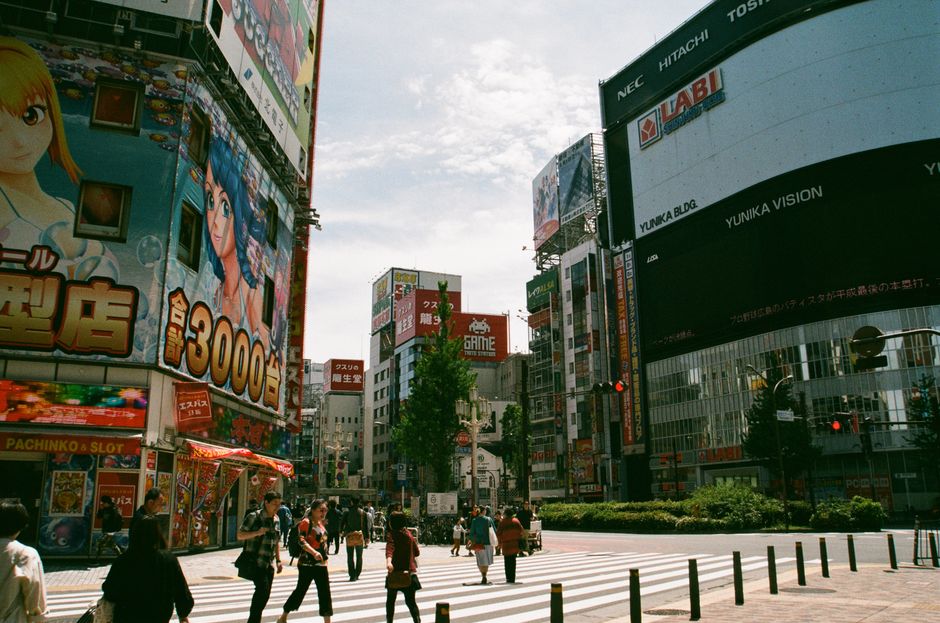
Tokyo's summer humidity spikes past 80%, and its winter air quality fluctuates wildly. Generic wellness advice doesn't account for these realities. The good news: Japan's healthcare system excels at prevention, and knowing which screenings matter most in this specific environment can save you years of preventable illness.
Start with cardiovascular risk. Tokyo residents face elevated hypertension rates linked directly to sodium intake and summer heat stress. The Japan Society of Hypertension recommends baseline blood pressure screening annually from age 40—or earlier if you work in high-stress districts like Marunouchi or Shibuya. The screening costs roughly ¥3,000–5,000 at neighbourhood clinics (shinryōjo) and takes 15 minutes. More telling: a 24-hour ambulatory BP monitor (¥8,000–12,000) reveals how your body responds to commuting stress on the Yamanote Line or walking Roppongi Hills.
Respiratory health demands attention too. Tokyo's air quality index routinely climbs during spring pollen season and winter inversion months. If you're over 50, live near major roads like Meiji-dōri, or have any smoking history, baseline spirometry (lung function testing) costs ¥2,000–4,000 and establishes your baseline. The Tokyo Metropolitan Government Health Center in Shinjuku offers free screening consultations monthly.
Metabolic screening—glucose, lipids, liver function—should happen every 2–3 years from age 40. Tokyo's desk-heavy office culture and convenience-store diet mean prediabetes rates are climbing. A comprehensive metabolic panel runs ¥5,000–8,000 and can catch problems before they demand medication.
Cancer screening follows national guidelines but with local timing: colorectal cancer screening every 1–2 years (crucial given high processed-meat consumption); gastric cancer screening annually if over 50 (stomach cancer remains prevalent); lung CT if you're ever-exposed to traffic pollution or secondhand smoke in izakayas. Most wards offer subsidised screening programs—check your local ku-yakusho website.
Finally, don't skip bone density screening after 60. Tokyo's indoor-heavy lifestyle and limited weight-bearing exercise mean osteoporosis risk is real. A DEXA scan costs ¥3,000–5,000.
The evidence is clear: prevention works, but only when targeted to your actual environment. Use Tokyo's exceptional clinic density—there are over 100,000 registered doctors across 23 wards—and schedule screenings strategically. Your future self will thank you.
Consult your local doctor (かかりつけ医) before starting any screening program. Most major hospitals near Ikebukuro, Shinjuku, and Shibuya offer comprehensive health check packages (ninshinkenshin).
This article was compiled by AI from the sources linked above and screened before publishing. See our editorial standards.
How does this story make you feel?
Spread the word
About this article
Published by The Daily Tokyo
Daily brief
Free, in your inbox before 7am. Weekdays.
More in Wellness