Tokyo's Hidden Wellness Goldmine: Your Guide to Free and Low-Cost Sleep and Rest Services
From municipal onsen to neighbourhood health clinics, Tokyo offers exceptional wellness resources that won't drain your budget.
From municipal onsen to neighbourhood health clinics, Tokyo offers exceptional wellness resources that won't drain your budget.
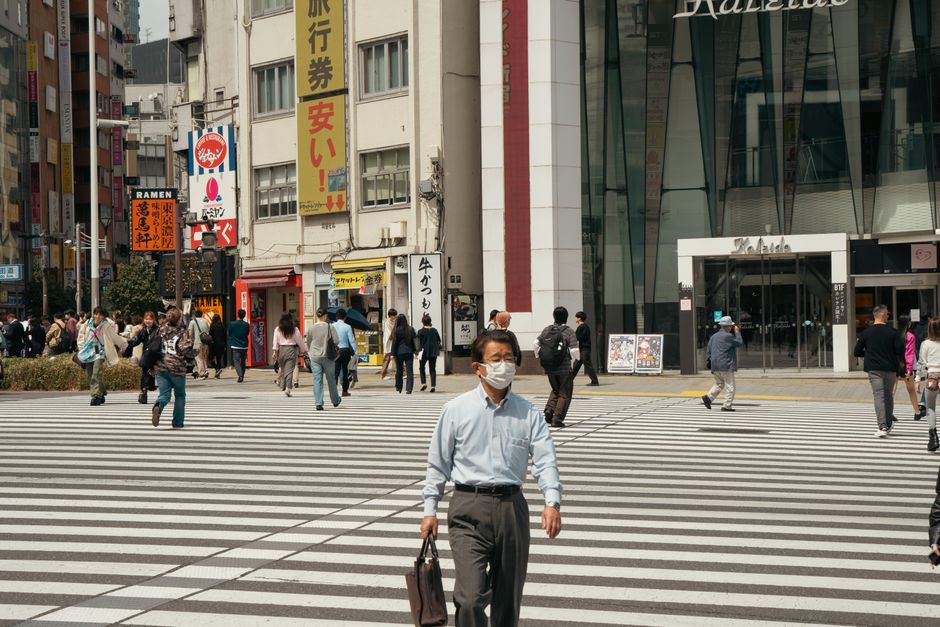
Sleep deprivation ranks among Japan's most persistent lifestyle challenges, with studies consistently showing Tokyo residents averaging just 5.9 hours nightly—well below the WHO-recommended seven to nine hours. Yet accessing quality rest and wellness support doesn't require expensive spa memberships or private clinics.
Tokyo's public onsen network remains one of Asia's most affordable wellness assets. Facilities across Asakusa, Ikebukuro, and Ueno charge ¥500-700 per visit, with therapeutic mineral-rich waters proven to reduce cortisol levels and improve sleep quality. The historic Ōedo Onsen Monogatari in Odaiba operates a traditional experience model at reasonable rates, while neighbourhood sento bathhouses in areas like Yanaka charge under ¥500 and serve as genuine community wellness hubs.
For structured rest guidance, Tokyo's municipal health centres (kenkou zoshin centre) across all 23 wards offer free or heavily subsidised sleep hygiene consultations. The Chiyoda Ward Health Centre near Ochanomizu Station provides complimentary lifestyle assessments including sleep cycle evaluation. Similarly, Tokyo Metropolitan Health and Medical Information Centre operates a dedicated hotline providing free telephone counselling on rest-related concerns.
Yoyogi Park's free wellness programming represents another underutilised resource. Weekend tai chi sessions, yoga classes, and guided meditation groups operate throughout summer months at no cost. The park's 1.4-kilometre perimeter also attracts early morning walkers and runners—evidence-based interventions for regulating circadian rhythms.
For workplace wellness, many larger Tokyo employers now participate in the Ministry of Health, Labour and Welfare's free stress-checking programme. Even freelancers and self-employed individuals can access subsidised wellness services through their local ward office's occupational health divisions, typically offering sleep consultations at ¥1,000-2,000.
Digital resources complement physical services. The Japan Sleep Research Society website provides evidence-based sleep improvement guides in Japanese and English. Additionally, several apps developed by Tokyo Medical University provide free sleep-tracking features and relaxation protocols.
The Imperial Palace's 5-kilometre running circuit remains free and illuminated until 19:00 daily—morning or evening exercise significantly improves sleep onset and quality. Adjacent Chidorigafuchi Park offers similar access without crowds.
Historically, Japan's onsen culture represented preventative wellness infrastructure for ordinary citizens. Today, that philosophy persists through maintained public systems. Rather than treating sleep wellness as premium service, Tokyo's framework positions it as civic infrastructure. Start with your local ward office's health centre—a single consultation often unlocks information about neighbourhood-specific resources most visitors and even residents overlook entirely.
This article was compiled by AI from the sources linked above and screened before publishing. See our editorial standards.
How does this story make you feel?
Spread the word
About this article
Published by The Daily Tokyo
Daily brief
Free, in your inbox before 7am. Weekdays.
More in Wellness