How Tokyo's Active Ageing Movement Is Redefining Wellness After 60
From Yoyogi Park runners to neighbourhood mobility classes, Japan's capital is leading a quiet revolution in senior fitness—and reshaping what it means to grow older.
From Yoyogi Park runners to neighbourhood mobility classes, Japan's capital is leading a quiet revolution in senior fitness—and reshaping what it means to grow older.
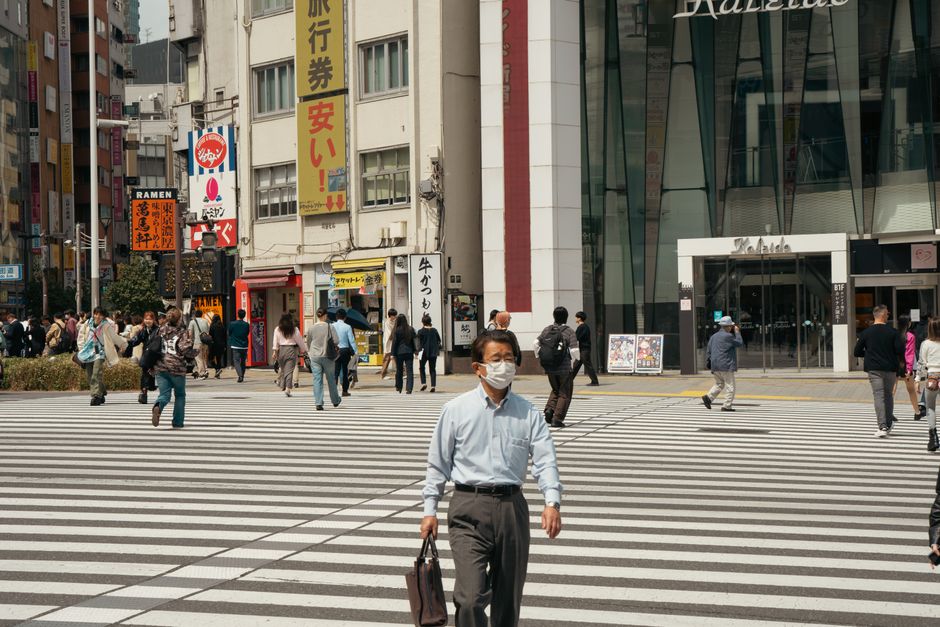
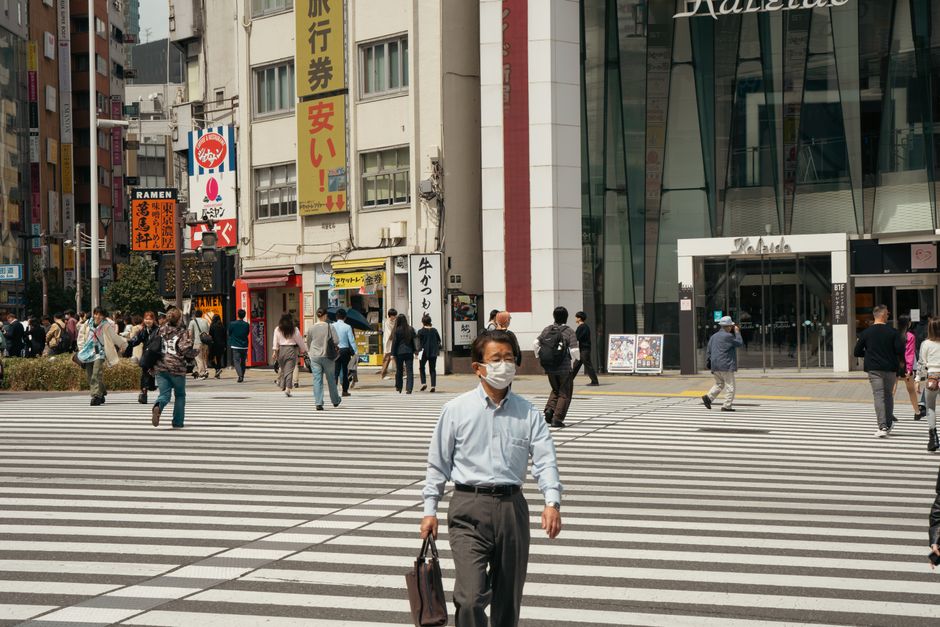
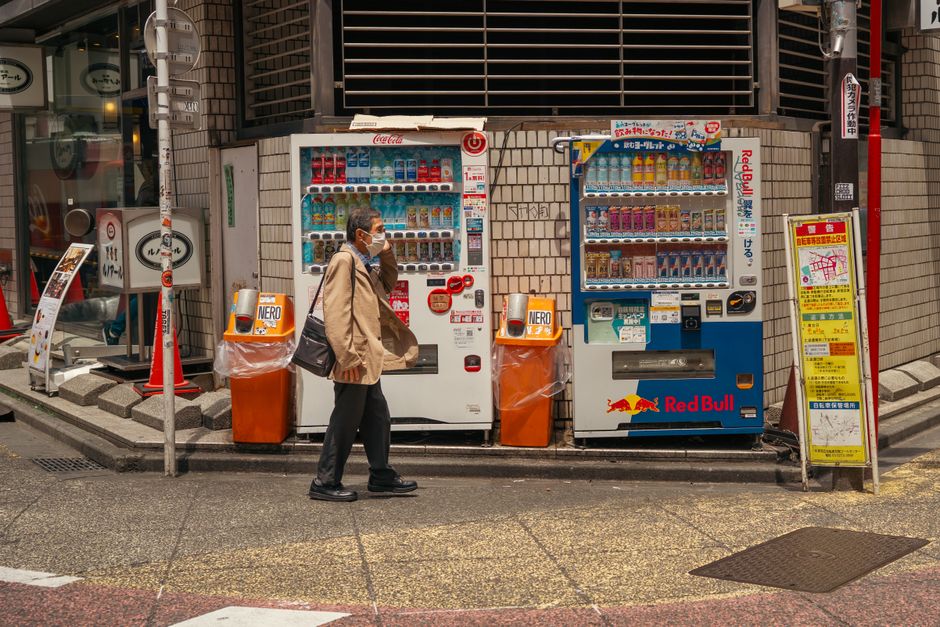
On any given morning along the Imperial Palace's 5-kilometre running circuit, you'll spot silver-haired joggers moving with the same purposeful stride as their younger counterparts. This isn't nostalgia—it's the visible face of a wellness shift that's fundamentally changing how Tokyo's ageing population approaches mobility and independence.
The trend reflects urgent demographic reality. Japan's over-65 population now exceeds 29 per cent, and Tokyo leads urban centres in grappling with what active ageing actually means. But rather than passive acceptance, the city's wellness community is building infrastructure around the principle that mobility after 60 isn't a luxury—it's preventative medicine.
In Shibuya and Minato wards, municipal recreation centres have expanded specialised mobility classes by 40 per cent over the past two years. Community health workers point to proven outcomes: regular movement sessions reduce fall-related injuries by up to 35 per cent in participants over 70, according to Tokyo Metropolitan Government wellness data. A single class typically costs ¥500–¥1,000, making accessibility central to uptake.
Yoyogi Park has become an informal hub. Wednesday mornings draw neighbourhood walking groups, tai chi practitioners, and slower-paced cycling clubs—often intergenerational, with younger members supporting friends or relatives. The park's accessible pathways and flat terrain make it ideal for building confidence before progression to hill training.
What distinguishes Tokyo's approach is integration with traditional wellness culture. Onsen facilities in areas like Hakone—an easy weekend escape—now market mobility-focused therapies alongside bathing. Warm water immersion followed by structured movement sessions appeals to those recovering from injury or managing chronic conditions. Several establish partnerships with physiotherapy clinics in central wards.
The neighbourhood level shows the deepest momentum. Local shopping streets in areas like Asakusa and Kichijoji have introduced morning walking groups that combine gentle cardiovascular exercise with social connection—addressing two documented barriers to sustained wellness engagement among seniors. These groups, often coordinated by ward community centres, cost nothing and require only commitment.
Healthcare professionals note the mental health dimension. Dr.-led wellness forums across central Tokyo consistently report that seniors maintaining active routines show 20–30 per cent lower rates of age-related cognitive decline. Movement becomes identity, not obligation.
For visitors or residents considering entry, local sports centres offer introductory assessments. Ota ward's comprehensive mobility screening programme, available through community health offices, provides personalised recommendations at no charge—making the pathway into active ageing genuinely accessible.
This isn't trendy—it's structural. Tokyo is quietly demonstrating that wellness after 60 requires community infrastructure, affordability, and cultural integration. The running circuit around the Imperial Palace tells the story: ageing Tokyo isn't slowing down.
This article was compiled by AI from the sources linked above and screened before publishing. See our editorial standards.
How does this story make you feel?
Spread the word
About this article
Published by The Daily Tokyo
Daily brief
Free, in your inbox before 7am. Weekdays.
More in Wellness