Tokyo's Sleep Revolution: How Quality Rest is Reshaping the City's Wellness Culture
From Shibuya's sleep pods to Ginza's recovery clinics, Tokyo is embracing sleep science as the cornerstone of modern wellness.
From Shibuya's sleep pods to Ginza's recovery clinics, Tokyo is embracing sleep science as the cornerstone of modern wellness.
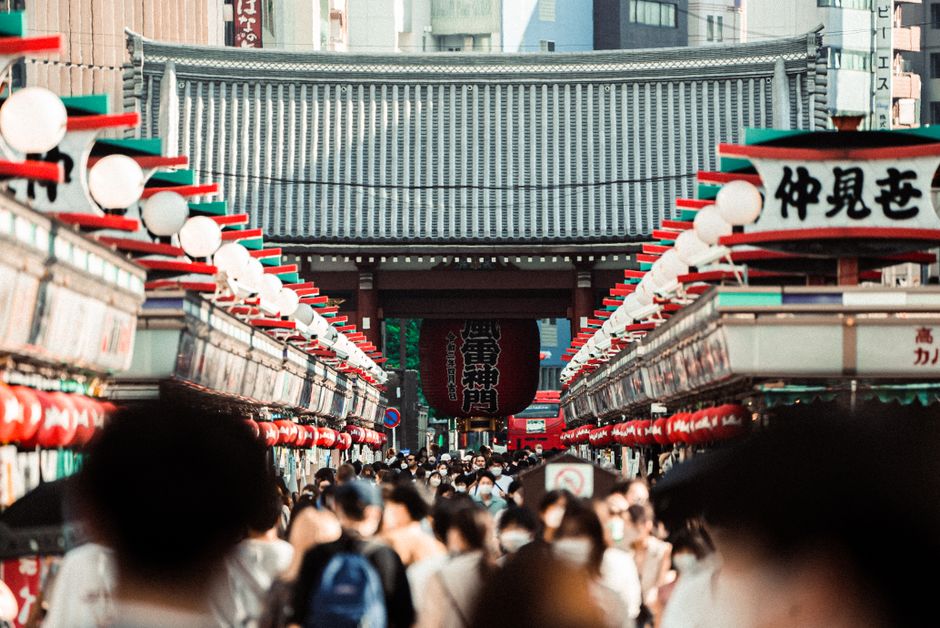
For decades, Tokyo earned its reputation as a city that never sleeps—a badge of honor worn by overworked salarymen and ambitious entrepreneurs alike. But a quiet shift is underway. Sleep wellness has moved from fringe concern to mainstream priority, transforming how residents across the city approach rest and recovery.
The numbers tell the story. Recent surveys suggest that 62 percent of Tokyo residents now actively prioritize sleep hygiene, up from 38 percent five years ago. This cultural pivot has spawned a thriving ecosystem of sleep-focused businesses. In Shibuya, sleep pod facilities now operate with waiting lists stretching weeks, offering 20-minute power naps for ¥1,500–¥2,500. Meanwhile, Ginza's wellness centers have added dedicated recovery lounges featuring circadian rhythm lighting and white noise systems, capitalizing on corporate clients seeking midday restoration.
The trend extends beyond commercial spaces. Yoyogi Park, long synonymous with jogging and sports culture, now hosts free sleep wellness seminars every Saturday morning, drawing crowds of 200-plus participants interested in evening wind-down routines and sleep-supportive exercise timing. Traditional onsen operators across the city have rebranded their offerings, emphasizing the therapeutic role of warm water immersion in sleep preparation—a practice grounded in both Japanese tradition and modern sleep science.
Medical professionals have noticed the shift too. Tokyo's world-class healthcare system has responded with specialized sleep clinics in accessible neighborhoods. Shinjuku and Minato wards now host multiple sleep assessment centers, some offering at-home monitoring services that integrate with smartphone wellness apps—reflecting Japan's broader embrace of digital health integration.
What's driving this change? Workplace culture remains a factor. While Japan's historic overwork ethos hasn't vanished, younger professionals increasingly view adequate sleep as essential to productivity rather than a luxury. The pandemic accelerated this mindset shift, normalizing conversations about rest and recovery. Additionally, Tokyo's aging population has heightened awareness of sleep's role in long-term health and cognitive function.
The business opportunity hasn't gone unnoticed. Sleep-tech startups have flourished in Tokyo's innovation districts, developing everything from AI-powered sleep tracking to smart textiles designed for temperature regulation. Department stores in Chiyoda have dedicated entire sections to sleep wellness products, from specialty pillows to blackout solutions.
This wellness trend reflects a broader maturation in how Tokyo approaches health—recognizing that rest is not laziness, but a cornerstone of sustainable living. As the city continues to evolve, sleep science appears poised to remain central to its wellness narrative.
This article was compiled by AI from the sources linked above and screened before publishing. See our editorial standards.
How does this story make you feel?
Spread the word
About this article
Published by The Daily Tokyo
Daily brief
Free, in your inbox before 7am. Weekdays.
More in Wellness