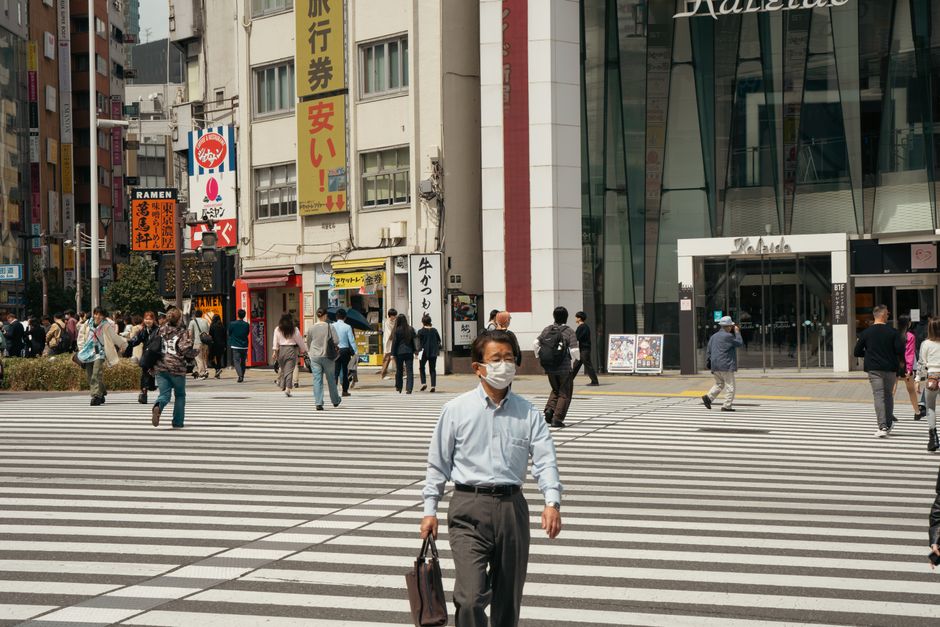
Walk through the Marunouchi district on any weekday morning, and you'll notice something quietly revolutionary: preventive health screenings have become as routine as a morning jog around the Imperial Palace circuit. This shift isn't coincidental. Decades of epidemiological research, coupled with Japan's ageing population statistics, have made early detection not just a medical recommendation but a cultural cornerstone.
The numbers tell the story. According to Japan's Ministry of Health, Labour and Welfare, regular health screenings reduce mortality from colorectal cancer by 60 percent and cervical cancer by 70 percent—figures backed by longitudinal studies spanning over thirty years. Tokyo's network of certified health examination centres (健診センター) now processes more than 2.5 million screenings annually, with costs ranging from ¥10,000 to ¥50,000 depending on comprehensiveness.
Dr. Hiroshi Yoshida's research at Tokyo Medical University demonstrates why timing matters: detecting hypertension before a stroke occurs, or identifying early-stage diabetes before organ damage, fundamentally alters treatment trajectories. The Japanese approach—combining annual basic screenings with targeted testing based on age and risk factors—reflects this evidence-based philosophy.
The Shibuya-ku Health Center, nestled near Omotesando, exemplifies this integrated model. Their comprehensive adult health programme screens for cardiovascular disease, metabolic syndrome, and cancer markers using standardised protocols aligned with international guidelines. The government-subsidized screening programme covers residents aged 40 and above, with out-of-pocket costs minimal for baseline assessments.
What makes Tokyo's approach distinctive is the emphasis on family medical history and lifestyle data. Screenings here incorporate detailed questionnaires about diet, stress levels, and sleep patterns—factors that epidemiological research confirms significantly influence chronic disease development. This holistic lens moves beyond simple blood work toward genuine risk stratification.
Yoyogi Park's wellness culture reinforces this philosophy: prevention isn't solely clinical. Research published in major health journals shows that combining regular screening with physical activity, stress management, and dietary awareness creates synergistic protective effects. Tokyo's integration of traditional onsen wellness practices with modern preventive medicine reflects this understanding.
For residents considering which screening pathway suits their needs, consulting with your local ward health centre (保健センター) or a primary care physician remains essential. They can recommend age-appropriate screening schedules aligned with current evidence. The science is clear: early detection saves lives. Tokyo's healthcare infrastructure now makes that science accessible to everyone.
This article was compiled by AI from the sources linked above and screened before publishing. See our editorial standards.