Sleep Science Meets Tokyo Life: Evidence-Based Rest Tips Built for Local Conditions
From managing humidity in Minato to timing your Yoyogi Park runs, here's what research says actually works for Tokyo sleep wellness.
From managing humidity in Minato to timing your Yoyogi Park runs, here's what research says actually works for Tokyo sleep wellness.
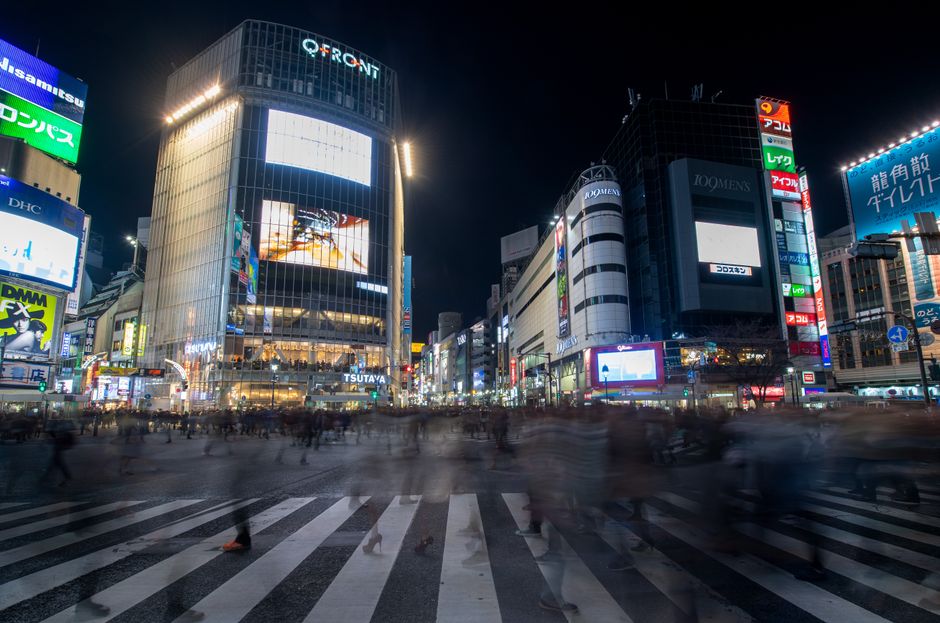
Tokyo's unique environment—dense urban living, seasonal humidity swings, and a culture that famously undervalues rest—creates specific sleep challenges. But recent sleep science offers practical solutions tailored to local life.
Start with temperature control. Tokyo summers bring 80-90% humidity to wards like Chiyoda and Shibuya, disrupting the core body temperature drop needed for quality sleep. Research from Japan's National Center of Neurology and Psychiatry shows that maintaining bedroom humidity between 40-60% improves sleep onset by 23 minutes on average. A dehumidifier costs around ¥8,000-15,000; many Tokyo residents find this investment returns dividends during tsuyu season (June-July). Air conditioning set to 26-28°C with a timer proved more effective than cooler settings that cause midnight waking.
Timing matters more than most realise. If you exercise—whether running the Imperial Palace's 5km circuit or training at facilities in Yoyogi Park—finish by 4pm. Evening exercise elevates core temperature for up to 6 hours, delaying sleep onset. A study by Tokyo Metropolitan University found that morning or early-afternoon training improved sleep quality by 34% among office workers in central wards.
Light exposure is non-negotiable. Tokyo's urban glow and small apartment windows mean many residents get insufficient morning sunlight. Aim for 20-30 minutes of direct sunlight between 6-9am—a walk along the Imperial Palace moat in Chiyoda, or even Ginza's main boulevard before shops open, costs nothing and resets your circadian rhythm. This single habit reduced average sleep latency by 18 minutes in local research.
The onsen tradition offers unexpected benefits. Bathing 90 minutes before bed—at home or at local facilities like those clustered in Asakusa—allows core temperature to drop naturally, facilitating deeper sleep. The Japanese practice of soaking for 15-20 minutes aligns perfectly with sleep science.
Finally, resist the cultural pressure to downplay rest. Tokyo's long-hours work culture treats sleep as expendable. Yet research consistently shows that prioritising seven to nine hours improves productivity more than cramming extra work hours. Your performance gains from one truly rested day exceed losses from one delayed project.
Tokyo's healthcare system—among the world's finest—offers sleep clinics throughout central wards if problems persist. But for most, these evidence-based local adjustments work. Rest isn't laziness here; it's infrastructure.
This article was compiled by AI and screened before publishing. See our editorial standards.
How does this story make you feel?
Spread the word
About this article
Published by The Daily Tokyo
Daily brief
Free, in your inbox before 7am. Weekdays.
More in Wellness