Sleep Wellness Tokyo: Shibuya's Rest Revolution 2024
Discover how Tokyo communities are boosting wellness through smarter sleep habits. Shibuya agencies report 23% productivity gains using modern inemuri practices and rest policies.
Discover how Tokyo communities are boosting wellness through smarter sleep habits. Shibuya agencies report 23% productivity gains using modern inemuri practices and rest policies.
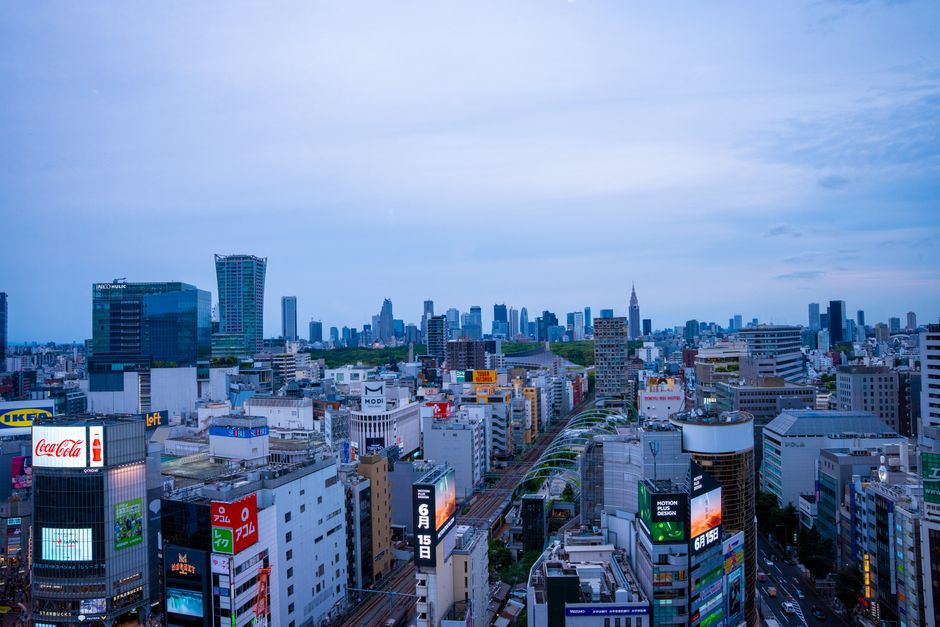
On a Tuesday morning in Shibuya, the staff at a design agency near Omotesando station noticed something unusual: productivity had climbed 23 percent in just three months. The reason wasn't a new project or management restructure. It was sleep.
In 2024, the agency introduced a mandatory 20-minute rest policy between 2 and 3 p.m., aligned with Japan's traditional inemuri practice but backed by modern sleep science. The shift reflects a broader movement quietly gaining momentum across Tokyo's neighbourhoods—one where residents are actively redesigning their relationship with rest.
Dr. Kenji Tanaka, a wellness coordinator at the Minato Ward Health Center, has observed this shift firsthand. "We're seeing people move away from the old 'sleep is weakness' mindset," he explains. Last year, the centre launched free sleep wellness workshops at three community centres in Azabu-Juban and Roppongi. Attendance has grown from 12 participants in the first session to over 60 by early 2026.
The transformation extends to Tokyo's running culture. At the Imperial Palace's famous 5km circuit, runners now arrive 30 minutes earlier to establish consistent sleep schedules—a foundational element of athletic recovery that many had previously overlooked. Local running clubs in Chiyoda ward have begun tracking sleep quality through apps, reporting that members who prioritise rest show improved endurance and injury prevention.
In Shibuya and Shinjuku, several onsen facilities—anchored in Tokyo's centuries-old wellness tradition—have repositioned evening bathing as a sleep-preparation ritual rather than mere relaxation. The Azuki onsen near Shinjuku Gyoenmae station reports that bookings for their "sleep wellness packages" have tripled since introducing warm-water immersion protocols designed to support circadian rhythms. A 60-minute session costs around ¥2,500.
The shift isn't confined to wellness spaces. At Yoyogi Park's community sports clubs, sleep education has become as routine as stretching. Members share strategies for managing Tokyo's demanding work culture—from blackout curtain recommendations to blue-light reduction techniques.
These aren't celebrity wellness trends or imported fads. They're practical, community-driven changes rooted in local culture and validated by Tokyo's world-class healthcare infrastructure. As more residents discover that sleep improvement ripples across every dimension of wellbeing—energy, focus, immune function—the quiet revolution continues.
For those considering changes to their own sleep habits, consulting with healthcare professionals at local clinics or ward health centres remains essential for personalised guidance.
This article was compiled by AI from the sources linked above and screened before publishing. See our editorial standards.
How does this story make you feel?
Spread the word
About this article
Published by The Daily Tokyo
Daily brief
Free, in your inbox before 7am. Weekdays.
More in Wellness