Breathwork Techniques for Instant Calm During a Stressful Day
From Shinjuku office blocks to Yamanote Line platforms, Tokyo's busiest workers are turning to ancient breathing methods to cut stress in seconds — no app required.
From Shinjuku office blocks to Yamanote Line platforms, Tokyo's busiest workers are turning to ancient breathing methods to cut stress in seconds — no app required.
Stress is the constant background noise of Tokyo life. A 2025 survey by the Japan Productivity Centre found that 68 percent of full-time employees in the Tokyo metropolitan area reported feeling mentally exhausted by midweek — and that figure climbs in summer, when heat and humidity press down on the city like a damp cloth. July has arrived with particular force this year, pushing Kumagaya-style heat advisory conditions into central wards that rarely see them before August. The timing has nudged a growing number of wellness practitioners and occupational health clinics to push one low-cost, zero-equipment intervention: structured breathwork.
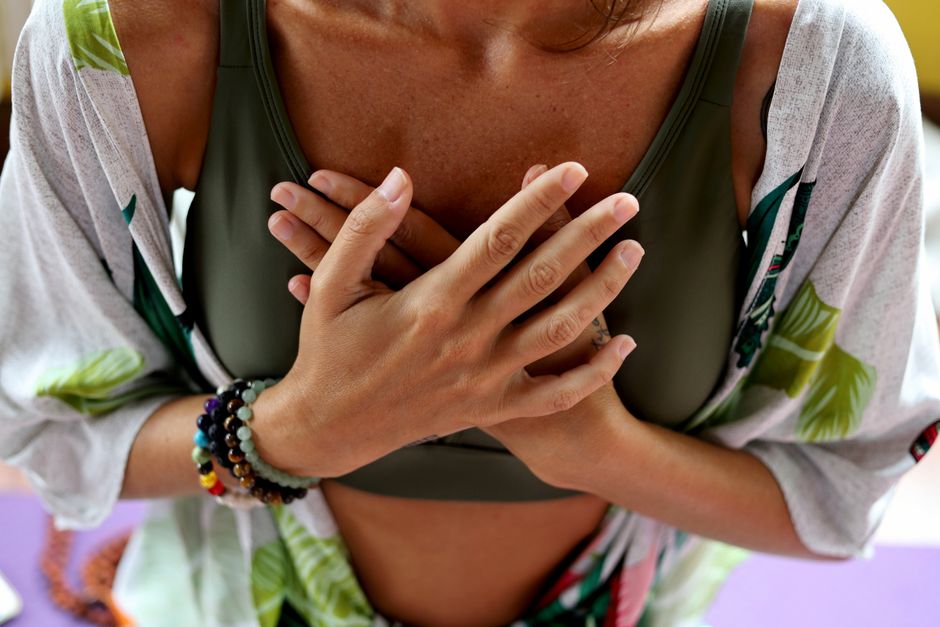
The case for it is straightforward. Slow, controlled breathing activates the parasympathetic nervous system — the body's brake pedal — by stimulating the vagus nerve. This is not new science. What is new is the speed at which corporate Japan is adopting it. Several firms headquartered in Marunouchi have quietly folded five-minute breathwork sessions into their occupational health programs since 2024, treating them less as meditation and more as a physiological reset. The distinction matters, because many workers recoil from anything labelled meditation but will readily try a technique framed as a breathing exercise.
The most accessible method is box breathing, sometimes called tactical breathing: inhale for four counts, hold for four, exhale for four, hold for four, repeat. The cycle takes roughly 16 seconds. Practitioners say six repetitions — under two minutes — are enough to lower a spiking heart rate. It requires nothing more than a quiet stairwell or a corner of Hibiya Park, the 16-hectare green space in Chiyoda ward that sits a short walk from several major corporate towers.
The second technique, physiological sighing, is currently the subject of active research at Stanford University's neuroscience department following a 2023 paper in Cell Reports Medicine that identified it as the fastest single breath pattern for reducing acute stress. The method involves a double inhale through the nose — a short sniff stacked immediately on a full breath — followed by a long, slow exhale through the mouth. One or two cycles can blunt the acute stress response within seconds. It looks slightly odd on a crowded Ginza crossing but works just as well in a bathroom stall.
Third is the 4-7-8 pattern, popularised internationally but rooted in pranayama tradition: inhale for four counts, hold for seven, exhale for eight. The extended exhale is the active ingredient; it forces a longer parasympathetic response than standard slow breathing. Practitioners caution beginners to keep repetitions to four cycles initially, as the extended breath-hold can cause lightheadedness.
Informal practice is one thing; structured instruction is another. Two Tokyo venues stand out for credible, accessible breathwork tuition. Zen Wellness Tokyo, based in Minami-Aoyama, runs a 90-minute introductory breathwork workshop on the first and third Saturdays of each month; the fee as of this month is ¥4,500 per session. Attendees work through diaphragmatic control exercises before progressing to box and resonance breathing — the latter, a technique that targets a breath rate of roughly 5.5 breaths per minute, has been linked in multiple peer-reviewed studies to improved heart rate variability.
Further east, the Otemachi Wellness Lab — a corporate-facing health facility operating inside a building on Eitai-dori — offers lunchtime breathwork sessions of 20 minutes, priced at ¥1,200 for drop-ins. The format is deliberately brief and work-adjacent, designed for salarypeople who have 25 minutes between meetings. The lab reported a 40-percent increase in drop-in bookings between January and June this year.
For those who prefer to practice independently, the Imperial Palace 5km running circuit in Chiyoda — one of the city's most-used outdoor exercise routes — has a small but visible community of early-morning practitioners who pause at the Sakashita-mon gate area for breathing sets before and after their runs. No formal group, no fee, no sign-up required.
The practical advice from occupational health specialists is simple: start at your desk. Set a two-minute timer. Box breathe. Do it before opening email in the morning and again at 3 p.m., when cortisol typically troughs and fatigue peaks. Anyone with respiratory or cardiovascular conditions should check with their physician at a local clinic before beginning extended breath-hold techniques — but for the vast majority of otherwise healthy workers caught in the grind of a Tokyo summer, the barrier to entry is genuinely zero.
How does this story make you feel?
Spread the word
About this article
Published by The Daily Tokyo
Daily brief
Free, in your inbox before 7am. Weekdays.
More in Wellness