Mindfulness in Schools: What Local Programs Are Available in Tokyo?
Tokyo’s primary and junior high schools are introducing mindfulness and meditation to help students manage stress and improve focus. Here’s how local initiatives are shaping up.
Tokyo’s primary and junior high schools are introducing mindfulness and meditation to help students manage stress and improve focus. Here’s how local initiatives are shaping up.
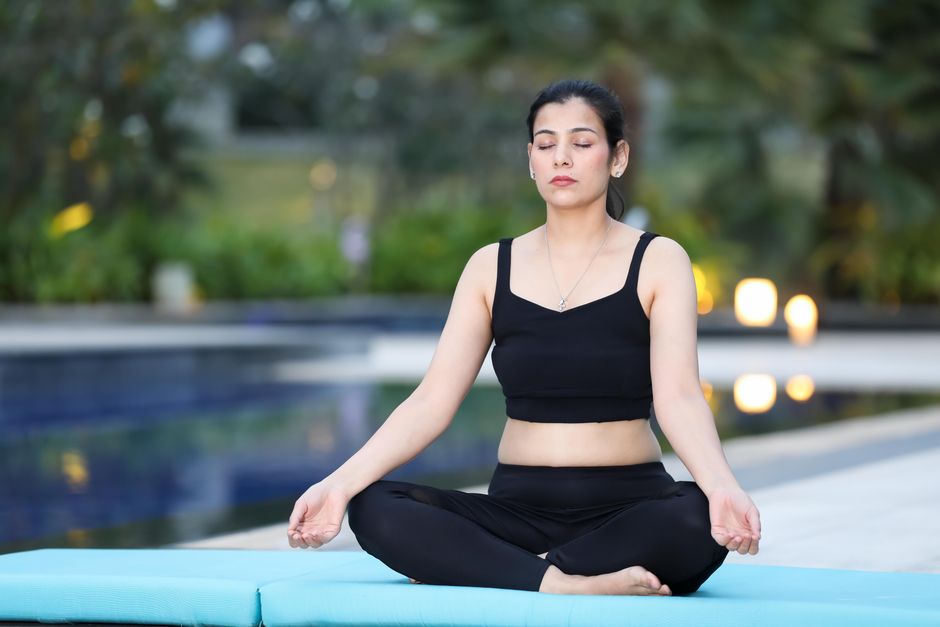
This spring, Tokyo’s Edogawa Municipal School District debuted a weekly mindfulness session for all second-year elementary students—a first for the public system and a sign of changing attitudes toward mental wellness in local classrooms.
The shift comes as Tokyo parents and educators grow concerned over student wellbeing. In the past year, the Tokyo Board of Education reported a rise in anxiety-related absences, especially during exam seasons. As screens and social pressure mount, city schools are looking to mindfulness and meditation for new ways to help students cope.
Edogawa Ward’s new program isn’t alone. Setagaya’s Komazawa Gakuen Junior High piloted a daily five-minute guided breathing exercise this April, delivered over the school intercom at 8:20 a.m. Each session is led by a school counselor who received certification through Japan Mindfulness Association workshops held in Roppongi. Meanwhile, in Minato Ward’s Azabu-Juban district, Aoba International School has offered after-school mindfulness and "forest bathing" (shinrin-yoku) walks in Shiba Park—one of the city’s green refuges—for several years. These initiatives are increasingly popular among both Japanese and international families.
The Japan Mindfulness Association, headquartered on Yurakucho 1-chome, reports that at least twelve public and private schools in the metropolitan area now run some form of formal mindfulness session, often using techniques adapted from local Buddhist and onsen wellness traditions. Other groups, such as NPO TeraKoya Kids, run after-school workshops for elementary children in Shinjuku and Meguro, charging around ¥1,500 per 45-minute class. Sessions typically include simple breathing exercises, movement, and the use of small bells or chimes—tools drawn from a blend of Zen and modern stress management research.
According to data from the Tokyo Metropolitan Government released this March, schools that introduced short daily breathing or "quiet time" routines saw minor but statistically significant reductions in reported stress symptoms among their students: a six percent drop in self-reported anxiety on semester surveys. Attendance rates also improved slightly during the mid-year testing period in two wards trialling mindfulness pilot schemes.
Costs for implementing mindfulness curricula remain relatively low. Certification for teachers through local organizations like Japan Mindfulness Association typically runs ¥20,000–¥30,000 per person, while in-class resources (such as Tibetan-style bells and mats) are often purchased using parent association funds. Despite the positive indicators, most initiatives remain in an experimental stage, with final evaluations due at the end of the 2026 school year.
For families looking to integrate mindfulness at home, the Tokyo Metropolitan Library in Minami-Aoyama keeps a selection of children’s mindfulness books in both Japanese and English. Many neighbourhood community centers—like those in Kichijoji and Tsukishima—have added Sunday morning family-friendly meditation classes for beginners. Parents interested in supporting mindfulness at their child’s school can consult with school counselors or contact NPOs such as TeraKoya Kids or the Heartfulness Project Japan for resources and training days, offered several times per term across the city. While the early evidence is promising, Tokyo’s educators agree that adapting mindfulness to local contexts will require careful, ongoing work as these programs continue to evolve across public and private schools.
How does this story make you feel?
Spread the word
About this article
Published by The Daily Tokyo
Daily brief
Free, in your inbox before 7am. Weekdays.
More in Wellness