Tokyo's Top Walking Trails Rated by Distance and Difficulty
From a flat 5km Imperial loop to the steep woodland climb of Takao-san, the capital's outdoor circuits suit every fitness level — here's how to choose yours.
From a flat 5km Imperial loop to the steep woodland climb of Takao-san, the capital's outdoor circuits suit every fitness level — here's how to choose yours.

Tokyo has more walkable green space than most of its residents realise. The city's parks and riverside paths now host an estimated 1.4 million walkers and runners each week, according to Tokyo Metropolitan Government sports promotion data published in April 2026 — a figure that has risen sharply since post-pandemic outdoor fitness habits took hold and showed no signs of retreating.
That matters right now because July heat complicates everything. Temperatures in central Tokyo hit 35.4°C on June 28, and the Japan Meteorological Agency has placed the Kanto region under a heat advisory through at least the second week of July. The window for comfortable outdoor exercise shrinks to roughly 5:30–8:30 a.m. and again after 6:30 p.m. Choosing the right trail — shaded, correctly distanced, forgiving on the joints — is no longer just preference. It's practical health management. Speak to your GP or a sports medicine specialist at a facility such as Juntendo University Hospital in Bunkyo before starting any new outdoor exercise programme.
The Imperial Palace running circuit in Chiyoda is the city's most democratic fitness asset. The outer perimeter measures exactly 5 kilometres on the gravel-and-tarmac path that rings the palace moat, and the elevation change is negligible — roughly 10 metres over the entire loop. On weekday mornings the path is populated by salaried workers in their 50s and 60s alongside school-age runners from nearby Hibiya. Weekend numbers are heavier, particularly between 7 a.m. and 9 a.m. near the Sakashita Gate entrance. Distance-conscious beginners can walk one loop in about 55–65 minutes at a moderate pace. There are staffed rest spots at Kitanomaru Garden, which sits just north of the circuit and adds a shaded 1.2km detour through azalea beds.
Yoyogi Park in Shibuya offers a flatter alternative with more shade. The main outer loop around the park's open-air event grounds covers 2.3 kilometres, with a soft-surface inner track frequently used by the Yoyogi Athletic Club for weekend community walks. The park's zelkova-lined central avenue runs 600 metres and is almost entirely canopied, making it unusually practical in midsummer. Yoyogi is free to enter, which cannot be said for all green-space options in the 23 wards.
For intermediate walkers, the Jingu Gaien outer path in Minato and Shinjuku wards connects to a broader 8.4km circuit that loops through Meiji Jingu's forested inner precincts. The path through the inner shrine forest climbs gently — a total of about 40 metres — but the gravel surface and tree cover make it significantly cooler than any paved circuit of equivalent distance. Entry to Meiji Jingu's inner grounds costs ¥1,000 as of January 2026.
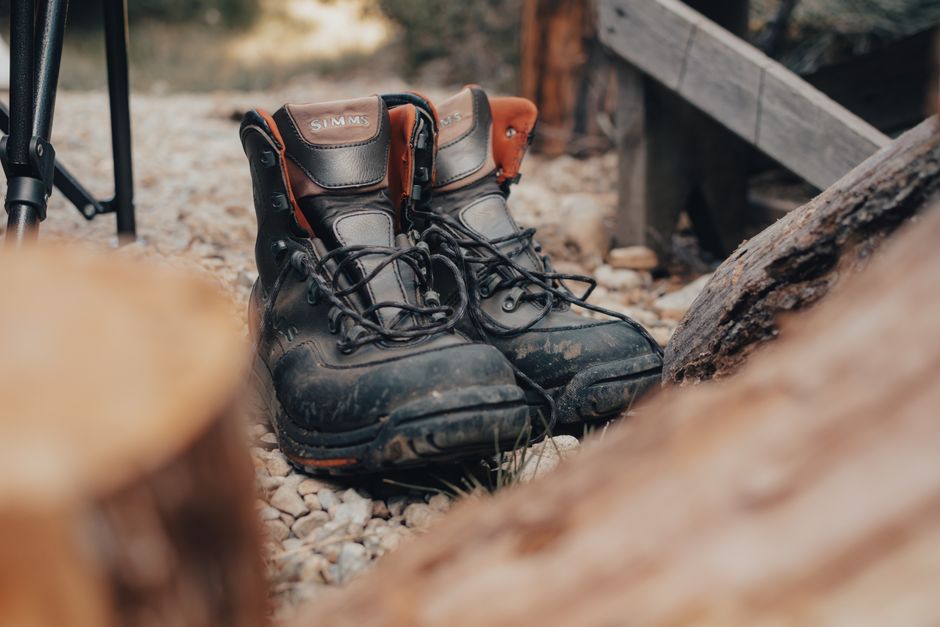
The most demanding walk accessible by Tokyo-area rail is Mount Takao, or Takao-san, in Hachioji — 50 minutes from Shinjuku on the Keio Line. Trail 1, the main paved path to the 599-metre summit, covers 3.8 kilometres one way with a 400-metre elevation gain. The route is rated moderate by the Takao Visitor Center, which classifies it as suitable for regular walkers with proper footwear. Trail 6, which follows the Biwa Waterfall ravine, is 3.3 kilometres but rougher underfoot — rated difficult in wet conditions. A return cable car ticket costs ¥490 for those who want to skip the descent.
For those staying closer to central Tokyo, the Meguro River path between Nakameguro station and Ōsaki covers 4.6 kilometres along a flat, mostly shaded canal corridor lined with shops and cafés. It lacks the cardiovascular challenge of Takao-san but provides a genuinely pleasant route for a recovery walk or a longer evening stroll once the heat drops.
Pick your distance, check the JMA heat advisory before you leave, carry at least 500ml of water per hour of walking, and start with the easier loops if you haven't been active through the spring. The harder trails will still be there in September.
How does this story make you feel?
Spread the word
About this article
Published by The Daily Tokyo
Daily brief
Free, in your inbox before 7am. Weekdays.
More in Wellness