Journaling as a Mindfulness Tool: How to Start
With classes in Meguro and community notebooks in Yoyogi Park, mindful journaling is quietly spreading among Tokyoites seeking calm in a fast-paced capital.
With classes in Meguro and community notebooks in Yoyogi Park, mindful journaling is quietly spreading among Tokyoites seeking calm in a fast-paced capital.
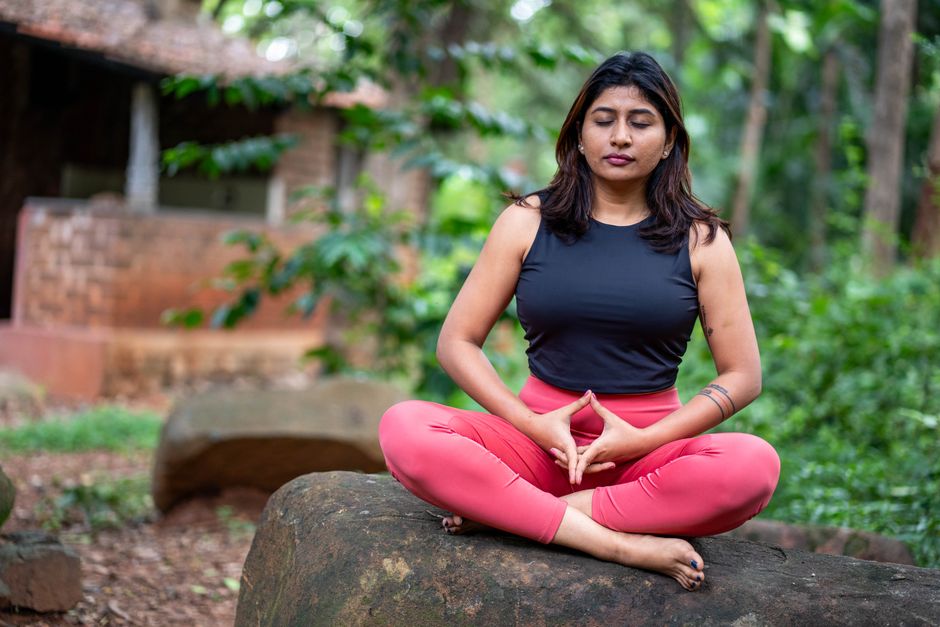
In Tokyo this summer, more residents are picking up pens to navigate stress. Mindful journaling workshops at Mindful Space Daikanyama have doubled in attendance compared with last year, according to organizer Keiko Miyazato. Long seen as a private hobby, writing one’s thoughts now forms part of structured mental wellness programs in neighbourhoods from Setagaya to Shibuya.
This focus on mindful journaling comes at a moment when Tokyoites are seeking new ways to deal with anxiety and burnout. Record numbers are commuting on the JR Yamanote Line daily; evening rush hours, from 17:00 to 20:00, frequently see carriages packed past 180% capacity, according to JR East’s May 2026 data. The city’s relentless pace—combined with concerns about rising summer temperatures and urban density—has pushed residents to look for relief not just in traditional onsen but also in quieter, self-driven routines like journaling.
“This isn’t just about keeping a diary,” says an instructor from the Tokyo Mindfulness Club, which runs monthly meet-ups at Meguro Persimmon Hall. These sessions, typically priced at ¥3,000 for two hours, guide participants through specific prompts like the "three good things" exercise, gratitude lists, and mindful sketching. The practice has grown far beyond the solitary page: Sundays in Yoyogi Park, a group called Park Pages sets up under the sakura trees, offering colorful notebooks and prompts to any passerby willing to join. Participants—ranging from university students to retirees from nearby Sendagaya—spend 20 minutes reflecting on their week, and share anonymously if they wish by pinning entries to a communal board. The group reports that over 800 people joined in 2025, a record since their first gathering five years ago.
It might feel old-fashioned compared to meditation apps, but studies continue to show that consistent journaling lowers stress. A 2024 survey by the Tokyo Metropolitan Government Health Promotion Office found that 37% of respondents who wrote reflectively at least three times weekly reported an improvement in sleep quality, compared to 18% of non-journalers. Locally, Mindful Space Daikanyama notes a 50% retention rate in its “30-Day Mindful Journaling” challenge, a figure holding steady since the programme launched in October 2025. “Most participants cite greater clarity and a noticeable mood lift,” organizers report. Basic supplies are affordable even at city-center stationeries—Muji’s flagship Ginza store sells lined A5 notebooks for ¥190, and Shinjuku Tokyu Hands offers dedicated "mindfulness journals" under ¥1,200.
As the city braces for more humid months ahead and the lingering stress post-pandemic, structured reflection is expected to feature more in both private and public wellness events. Tokyo Metropolitan Library’s Chiyoda branch will host free “morning pages” drop-ins every Tuesday in August, part of its new mental health initiative. Local mental health professionals encourage beginners to start simple: five minutes a day in a small notebook, with zero pressure to write artfully. The tools are minimal; a quiet bench in Hibiya Park, a corner table in Ebisu’s Café Kitsuné, or a pocket-sized notepad can all do the trick.
No matter where you begin, Tokyo’s growing community of mindful writers proves the old pen-and-paper method still has the power to bring clarity and calm—even in one of the world’s busiest capitals.
How does this story make you feel?
Spread the word
About this article
Published by The Daily Tokyo
Daily brief
Free, in your inbox before 7am. Weekdays.
More in Wellness