At 6:30 on a Saturday morning, thirty people are doing burpees on a tarpaulin in Yoyogi Park. A trainer with a portable Bluetooth speaker is counting reps in rapid-fire Japanese. By seven, a second group has taken over the adjacent lawn. This is Tokyo's outdoor boot camp scene — and it has expanded dramatically over the past eighteen months.
The timing matters. Japan's Ministry of Health, Labour and Welfare reported in its 2025 National Health and Nutrition Survey that fewer than 30 percent of adults in their thirties and forties meet the government's recommended weekly exercise thresholds. That figure has barely shifted in a decade. Meanwhile, gym membership fees inside the Yamanote Line can top ¥15,000 a month, pricing out large portions of the workforce. Outdoor group fitness, typically priced between ¥1,000 and ¥3,500 per session, slots in where conventional gyms don't.
Where Tokyo's Boot Camps Are Taking Root
Two locations have emerged as the de facto headquarters of this movement. Yoyogi Park in Shibuya-ku hosts weekend sessions from at least eight separate fitness collectives, ranging from HIIT-focused groups to functional strength classes that use resistance bands and sandbags dragged in from local sporting goods shops. The park's broad, flat central lawn — roughly 400 metres across — gives instructors space to run circuits without the bottleneck problems that plague smaller urban green spaces.
The 5-kilometre Imperial Palace running circuit in Chiyoda-ku is the other anchor point. Several operators have begun staging boot camps along the Inui-dori side of the palace grounds, where a wide gravel path runs parallel to the moat and the stone embankment. The Tokyo Metropolitan Government designates this area as open public space, which keeps overheads low for operators who don't need a permits fee to run small commercial fitness sessions under current city guidelines — though participants should verify conditions with individual operators before booking.
One of the more established outfits is Peaks Outdoor Fitness, which has been running early-morning sessions at Komazawa Olympic Park in Setagaya-ku since April 2025. The park's athletics track and multi-use grass field make it unusually versatile. Peaks runs a beginner-friendly circuit on Tuesdays and Thursdays at 7:00 a.m., capping groups at twenty participants. A ten-session pass costs ¥22,000. The company says bookings have tripled since January, driven partly by word of mouth through corporate wellness programmes at firms based in nearby Shibuya and Ebisu.
What to Expect When You Turn Up
First-timers are often surprised by the structure. Modern outdoor boot camps in Tokyo bear little resemblance to the military-drill clichés. Sessions typically run 45 to 60 minutes and cycle through cardiovascular intervals, bodyweight resistance exercises, and a short flexibility segment at the end. Good operators ask new participants to fill in a basic health screening form before joining — if yours doesn't, that's worth noting.
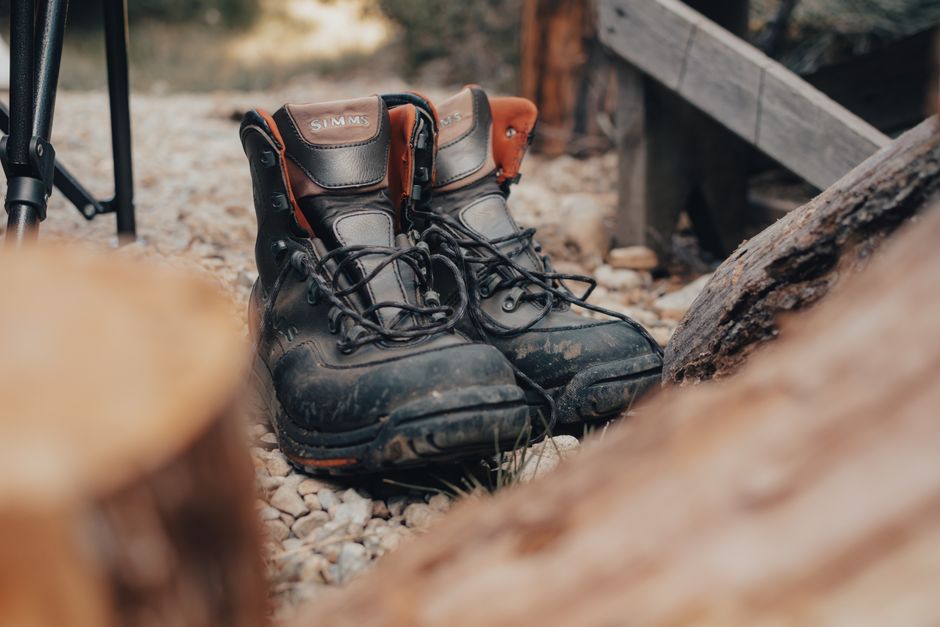
Equipment requirements are minimal. Most groups ask you to bring a mat, a water bottle, and wear trail-capable shoes given that parks like Shinjuku Gyoen and Kinuta Park have uneven ground. Sessions run in light rain; most operators only cancel for heavy storms or thunder warnings issued through the Japan Meteorological Agency.
Heat is a real consideration this July. The Japan Sports Agency updated its heat-illness guidelines in June 2026, recommending that outdoor exercise groups schedule hard efforts before 9:00 a.m. or after 5:00 p.m. during months when the wet-bulb globe temperature exceeds 28 degrees Celsius. Responsible operators are already shifting their timetables accordingly, and participants should ask specifically about hydration breaks and rest protocols before committing to any session.
For anyone considering taking the plunge, the practical path is straightforward. Use the Mindbody app or Instagram to locate groups operating near your station, attend one drop-in session before buying a package, and check whether the instructor holds a Japan Fitness Association or NSCA certification. Your GP or sports medicine clinic can offer a quick pre-exercise check if you have existing health conditions — and that conversation is always worth having before the burpees begin.