From Burnout to Balance: Tokyo Residents Share How Yoga and Meditation Changed Their Lives
Across neighbourhoods from Shibuya to Yanaka, a quiet movement is reshaping how ordinary Tokyoites think about health — one breath at a time.
Across neighbourhoods from Shibuya to Yanaka, a quiet movement is reshaping how ordinary Tokyoites think about health — one breath at a time.
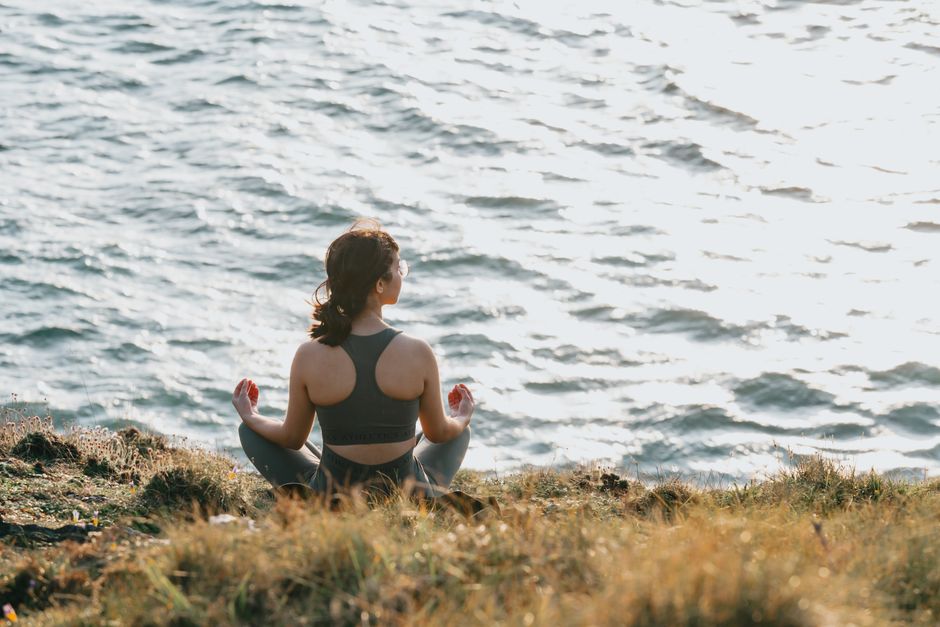
On a humid Saturday morning in Yoyogi Park, roughly 60 people rolled out their mats before 7 a.m. By 8, the session run by the Yoyogi Wellness Collective had drawn office workers, retirees, and a handful of university students from the nearby Yoyogi campus corridor. Nobody paid a studio fee. What they walked away with, several regulars say, was something no clinic could easily prescribe.
Across Tokyo, a measurable shift is underway. The Japan Yoga Nichibei Foundation reported in its 2025 annual survey that practitioner numbers in the Greater Tokyo metropolitan area have grown by 34 percent since 2020 — climbing past 4.2 million people who identify as regular practitioners. That number lands against a broader backdrop: the World Health Organization flagged stress-related illness as a leading driver of lost productivity in East Asian urban centres, and Japan's own Ministry of Health, Labour and Welfare recorded a record 91,000 applications for mental health support leave in the fiscal year ending March 2025. The numbers tell a story the mat communities are already living.
Walk down Koenji's Pal shopping arcade on a Tuesday evening and the sign for Sanga Yoga — a studio operating out of a converted second-floor apartment since 2019 — is easy to miss. The monthly membership runs ¥8,500, roughly the price of two ramen dinners with drinks. Inside, eight practitioners run through a 75-minute yin yoga sequence designed around fascia release, a modality that has jumped in popularity since several Tokyo-based physiotherapists began cross-referring patients following the 2024 revision of Japan's Integrated Medicine Advisory Guidelines.
Further east, in the Yanaka neighbourhood, the Nezu Healing Arts Centre has embedded meditation into what it calls a community wellbeing circuit. Three mornings a week it opens its tatami room — free of charge — for guided mindfulness sessions limited to 12 participants. The centre, which has operated since 2011, partners with the Taito Ward local government health promotion division to ensure residents on low incomes can access the program. Waitlists, the centre's scheduling page confirms, currently run to three weeks.
The uptake is not simply a post-pandemic curiosity. Japan's ancient onsen culture has long normalised the idea that the body requires deliberate restorative care, not merely the absence of disease. What studios like Sanga and Nezu are doing is extending that logic into daily urban life — no hot spring required, just 60 minutes and a mat.
Keio University's Department of Preventive Medicine published findings in March 2026 showing that participants in structured yoga and meditation programmes for 12 weeks or more reported a 28 percent reduction in self-assessed chronic stress scores, alongside measurable improvements in sleep onset latency. The study drew from a cohort of 340 Tokyo-based adults aged 30 to 58. These are not fringe findings — they align with a body of global research and, crucially, with what practitioners in Koenji and Yanaka describe in plain language: they sleep better, they react less, they call in sick less often.
Hormonal health is also entering the conversation more openly in 2026. With growing public discussion around cortisol regulation, perimenopause management, and the role of parasympathetic nervous system activation, yoga instructors across Tokyo report that the questions after class have shifted. People are arriving with more specific, more informed health goals than they brought five years ago. Many arrive after a conversation with a doctor, not instead of one — a distinction that Tokyo's wellness community is increasingly careful to honour.
For anyone considering taking the first step, the Imperial Palace 5-kilometre running circuit around Kitanomaru remains one of the city's most accessible free wellness spaces, and several instructors have begun offering sunrise meditation sessions at the Sakashita Gate entrance on weekend mornings. The Minato Ward community health portal also lists 14 subsidised yoga and mindfulness programmes running through September 2026, with registration open online. The advice from practitioners and health professionals alike is consistent: consult your GP or a registered Japanese medical professional before beginning any new programme, then find a community and show up. The mat, it turns out, is the easy part.
How does this story make you feel?
Spread the word
About this article
Published by The Daily Tokyo
Daily brief
Free, in your inbox before 7am. Weekdays.
More in Wellness