Group Exercise Classes at Council-Run Facilities: A Guide
Tokyo's ward-operated sports centres offer some of the city's best-value fitness programmes — if you know where to look.
Tokyo's ward-operated sports centres offer some of the city's best-value fitness programmes — if you know where to look.
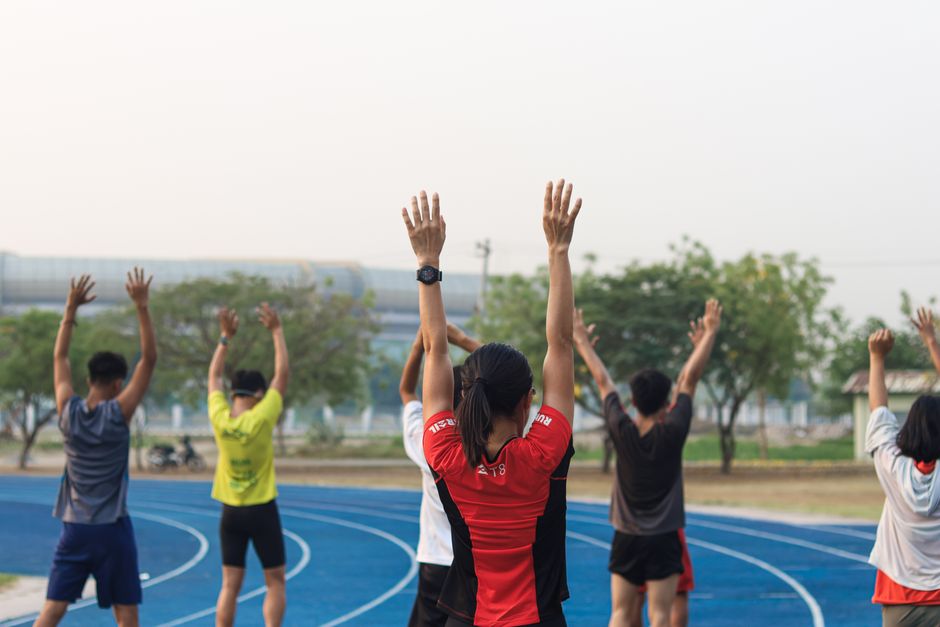
Tokyo's 23 special wards collectively run more than 180 public sports centres, and the group exercise timetables filling those facilities every morning are longer, cheaper and more varied than most residents realise. Aqua aerobics at 7 a.m. Tai chi in a third-floor studio overlooking Shinjuku's backstreets. Yoga sessions scheduled around school drop-off times. The infrastructure is there. The question is whether Tokyoites are using it.
The timing matters. Japan's Ministry of Health, Labour and Welfare flagged in its 2025 National Health and Nutrition Survey that fewer than 30 percent of adults in their 40s meet the government's recommended weekly exercise targets — a figure that barely shifted from the previous survey cycle despite years of public health campaigns. Post-pandemic habits proved stickier than anyone hoped, and solo walking or at-home stretching routines have not replaced the social accountability that a group class provides. Council programmes, subsidised by ward tax revenue, are one of the few structures built precisely to close that gap.
Shibuya Ward's Ebisu Garden Place area is home to the Shibuya Sports Centre on Ebisu-Nishi, which runs a published monthly timetable covering roughly 40 group classes. Morning Hatha yoga runs Tuesday and Thursday at 9:30 a.m.; a low-impact aerobics class marketed at older residents fills Wednesday afternoons. Drop-in fees sit at ¥600 per class for ward residents, rising to ¥900 for non-residents — figures that have held steady since the 2024 fee revision. Annual membership cards, available at the front desk, bring per-session costs down further for regular attendees.
Bunkyo Ward operates the Tokyo Dome City-adjacent Bunkyo Sports Centre near Suidobashi Station, where the pool deck doubles as an aqua fitness venue on weekday mornings. The centre's Pilates and body balance sessions, introduced to the timetable in spring 2025, consistently fill within 48 hours of online booking opening each month — a small indicator of demand that outstrips supply in the more popular time slots. Bunkyo's ward website lists classes in Japanese with a basic English summary added in January 2026 following a multilingual services expansion.
Further west, Suginami Ward's Ogikubo Sports Centre runs a weekend zumba programme that draws a mixed-age crowd from the surrounding residential neighbourhoods around Ogikubo Station. The Saturday 10 a.m. session has been running continuously since 2019, making it one of the longer-established council fitness programmes in the western wards.
The appeal is not just financial. A 2024 review published in the Journal of Sport and Health Science pooled data from 38 studies and found that participants in group exercise settings reported adherence rates roughly 26 percent higher than those exercising alone under equivalent conditions. Social obligation — knowing an instructor and a regular cohort will notice your absence — turns out to be a more reliable motivator than almost any app-based nudge system tested to date.
Tokyo's onsen culture has long understood the restorative value of communal wellness rituals, and council fitness programmes draw on a similar logic: the body benefits, but so does the routine of showing up somewhere with other people. That social dimension is especially relevant for residents living alone, a demographic that now accounts for nearly half of all Tokyo households according to 2025 metropolitan census data.
Practical steps for anyone starting out: check your ward's official sports centre website directly rather than relying on third-party listings, which frequently carry outdated timetables. Most wards — including Minato, Setagaya and Nerima — allow online class reservations to open 14 days in advance, and popular slots go fast. Bring a towel and indoor shoes; almost every council facility requires a separate pair of clean shoes for the exercise floor. If Japanese literacy is a barrier, the Tokyo Metropolitan Government's multilingual callcentre, reachable at 03-5320-7744, can help navigate ward-specific registration requirements. Classes are waiting. The booking window, as regulars will tell you, is not.
How does this story make you feel?
Spread the word
About this article
Published by The Daily Tokyo
Daily brief
Free, in your inbox before 7am. Weekdays.
More in Wellness