wellness
Sitting Still in the World's Busiest City: A Beginner's Guide to Starting a Meditation Practice in Tokyo
From Shinjuku temple halls to free sessions in Yoyogi Park, here is how to build a sustainable meditation habit from scratch, no prior experience required.
How we reported this
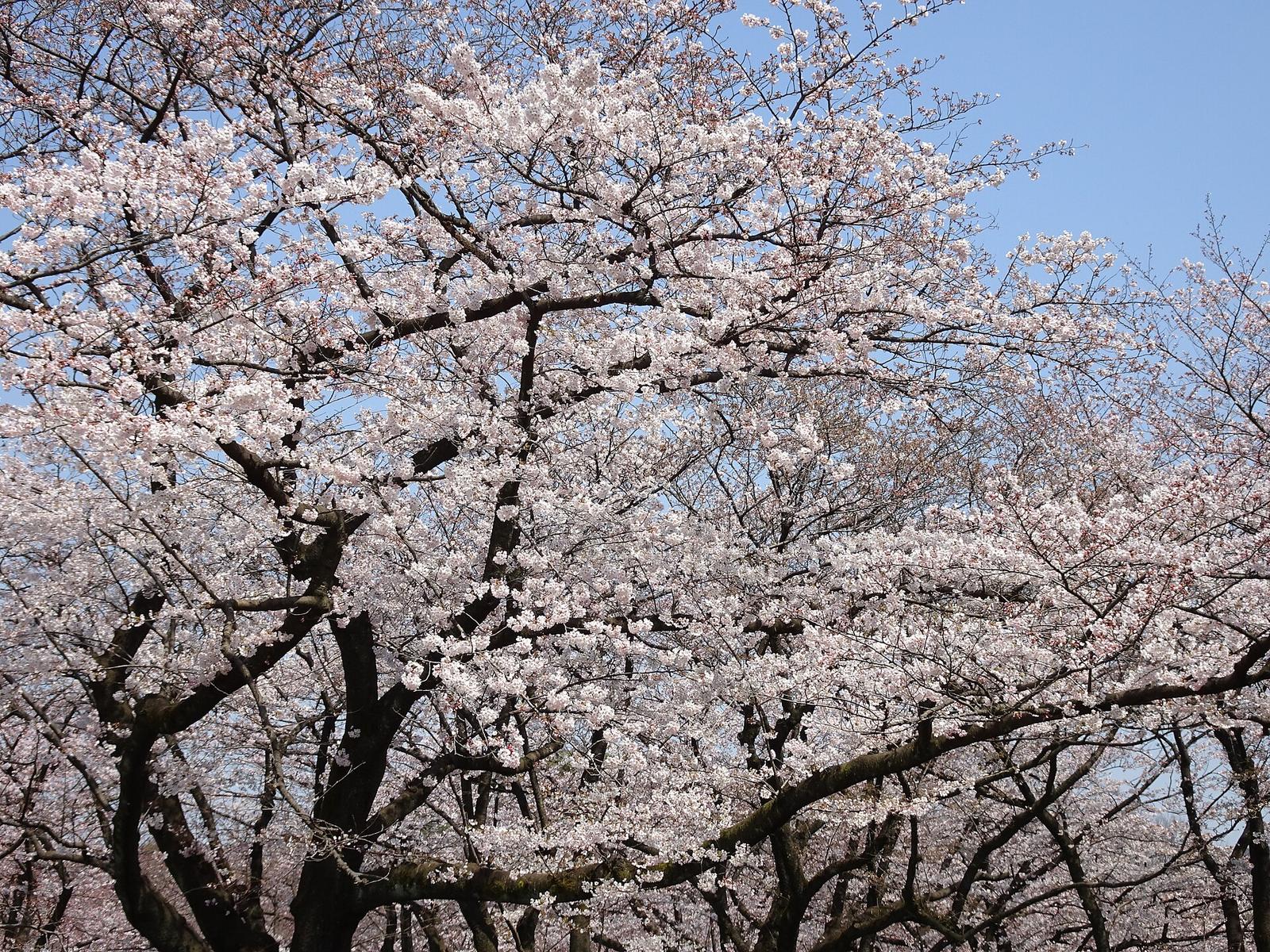
Tokyo has a noise problem. Not a bad one, exactly, the Yamanote Line alone carries roughly 4 million passengers every day, but the cumulative weight of commuting, screen time, and relentless urban stimulation is pushing more residents toward the one practice that costs nothing and requires no equipment: sitting quietly and paying attention to your breath. Beginner meditation classes across the city have seen growing waitlists in 2025 and into this year, and a string of new studio openings in Nakameguro and Shimokitazawa suggests demand is not slowing down.
This matters now for a specific reason. Japan's Ministry of Health, Labour and Welfare has repeatedly flagged mental health as a national priority, with workplace stress and social isolation among adults under 40 cited in its public health strategies. Meditation is not a cure, and anyone experiencing serious anxiety or depression should consult a licensed physician or mental health professional in Japan. But for the person who wants a practical, low-cost tool for managing daily stress, the evidence base is stronger than it has ever been, and Tokyo's infrastructure for beginners is surprisingly good.
Where to Start: Tokyo's Beginner-Friendly Options
The lowest barrier to entry is Yoyogi Park in Shibuya, where informal mindfulness and breathing groups gather on weekend mornings near the central fountain area. These sessions are free, loosely organised, and require nothing more than the ability to sit cross-legged on grass for twenty minutes. They are not led by certified instructors, which matters, treat them as a first taste, not a substitute for structured learning.
For something more formal, Toshoji Temple in Nakano Ward runs zazen sessions open to English-speaking visitors. Zazen, seated Zen meditation, is one of the oldest structured contemplative practices in Japan, and Toshoji has offered introduction sessions for decades. Participants are asked to arrive by 6:00 a.m. on Sunday mornings; the sessions are free, though a small donation is customary. Dress codes are simple: plain, loose clothing, no heavy fragrances.
In the commercial wellness space, studios like Muon in Daikanyama and the meditation-focused floors of the T-Site complex in the same neighbourhood offer guided sessions starting at around ¥2,000 to ¥3,500 per class. Several Ginza wellness centres have added lunchtime meditation slots targeting office workers, running 30-minute guided sessions at ¥1,500 per visit, short enough to slot into a break but long enough to register a genuine shift in alertness by mid-afternoon.
What the Research Actually Says, and How to Build a Habit
A 2023 meta-analysis published in JAMA Internal Medicine, reviewing data across 47 randomised trials, found that mindfulness meditation programmes produced moderate reductions in anxiety, depression, and pain. The key word is moderate. No single study claims meditation rewires the brain after one session. What the evidence does support is consistency: most researchers examining habit formation suggest that a 20-day consecutive streak, even just five to ten minutes daily, is enough to begin changing how the default-mode network in the brain processes distraction.
For Tokyo beginners, the practical implication is straightforward. Start with five minutes each morning before checking your phone. The 5km running circuit around the Imperial Palace is popular for a reason, it anchors a physical routine to a specific place. The same logic applies to meditation: choose a corner of your apartment, a particular park bench in Shinjuku Gyoen, or a seat on the quieter early-morning platform at Iidabashi Station. Place matters for habit formation because it reduces the number of decisions required before you actually begin.
Apps in Japanese such as Melon and the Japanese-language version of Insight Timer offer free guided content, and both have grown their Tokyo user bases substantially since 2024. Headspace and Calm remain popular among English speakers. None of them require a subscription to access basic beginner tracks. Start there, use a timer, and set expectations low: your mind will wander. That is not failure. That is the practice. When you notice the wandering and return your attention to your breath, you have just completed one repetition of the only skill meditation is actually teaching.