wellness
Neuroscientists Reveal How Mindfulness Actually Changes Tokyo Brains
As mindfulness meditation grows in popularity across Tokyo, neuroscientists are uncovering exactly how ancient practices alter brain structure and function.
How we reported this
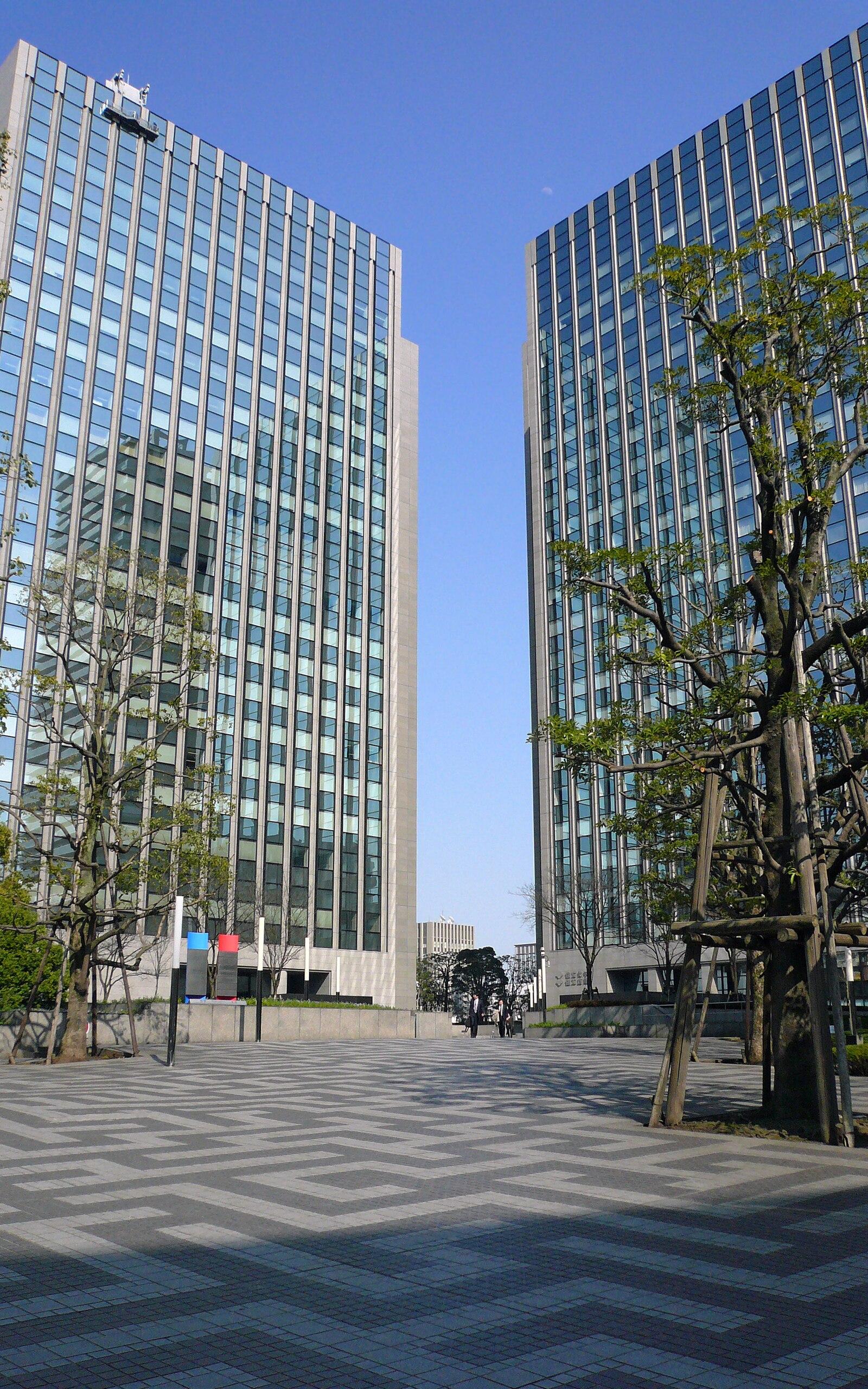
Neuroimaging studies show that regular mindfulness meditation can lead to lasting physical changes in the brain-even after just eight weeks of practice, according to MRI research from international teams. This scientific evidence is driving a new wave of interest in mindfulness among residents of Tokyo, where calm can be hard to come by amid the city’s relentless pace.
Mental health observers say the past year has seen mindfulness move well beyond its Buddhist roots and into everyday routines for a broad range of Tokyoites. The demand for science-backed techniques to manage stress and stay focused has soared, with many city workers and students turning to meditation apps, in-person classes, and corporate well-being programs. The pressure-cooker environment of central districts like Marunouchi and Akasaka-where long hours and packed train commutes are the norm-has helped push mindfulness into the mainstream, particularly as more people seek accessible ways to maintain emotional balance and cognitive sharpness.
From Shibuya Studios to Academic Labs
Wellness studios like "Meditation House" in Shibuya and "Yoga Tree Tokyo" on Gaien-Nishi Dori report full booking lists for weekday lunchtime sessions. At the same time, university programs such as the University of Tokyo’s Mind-Body Science project are exploring how specific meditation protocols influence neural pathways. In Setagaya, the "Tokyo Mindfulness Research Group" holds monthly workshops which often draw participants from across the twenty-three wards, offering scientific seminars and guided sessions in both Japanese and English. Meanwhile, temples in Yanaka and old-town Taito-ku host early-morning zazen-demonstrating how ancient practice meshes with modern neuroscience beneath the city’s neon glow.
Recent evidence from the Journal of Cognitive Enhancement highlights that as little as 15-30 minutes of guided mindfulness exercise, practiced daily for two months, is associated with increases in the thickness of the prefrontal cortex-a brain region integral to decision-making and self-control. MRI studies cited by the National Institutes for Quantum and Radiological Science and Technology in Chiba Prefecture have documented reduced activation in the brain’s amygdala, known for its role in anxiety and fear, after mindfulness training. According to the Tokyo Medical Association, over 30% of local clinics surveyed in 2025 now offer mindfulness resources or referrals as part of standard mental health support, reflecting the practice’s growing acceptance among Tokyo’s established healthcare institutions.
Practical Steps for Mind, Body, and City
Looking ahead, more workplaces in areas like Kanda and Shinagawa are tipped to introduce lunchtime meditation rooms and offer subsidised mindfulness classes to employees in 2026. For individuals, local parks such as Yoyogi Park remain popular for open-air group meditations-several run by non-profit group Mindful Tokyo cost less than ¥1,000 per session. Free drop-in sessions are also available at public spaces like Ebisubashi Wellness Centre. The shift toward evidence-based mindfulness is expected to continue, supported by new research partnerships and digital platforms that offer guided audio meditations accessible from anywhere on the Yamanote Line.
For Tokyoites seeking to navigate daily demands, the local advice remains practical: start small, select a reputable instructor, and treat meditation like any other practice-regular, gentle, and grounded in evidence. As the science advances, the old wisdom of pause and breath finds new resonance atop the city’s skyscrapers and within its medical centers alike.