Tokyo Boutique Hotels: Kuramae's Rise as a Visitor Destination
How Hiroshi Tanaka's Kuramae Collective is reshaping Tokyo's hospitality landscape, attracting 340,000 annual guests seeking authentic neighborhood stays over mass tourism.
How Hiroshi Tanaka's Kuramae Collective is reshaping Tokyo's hospitality landscape, attracting 340,000 annual guests seeking authentic neighborhood stays over mass tourism.
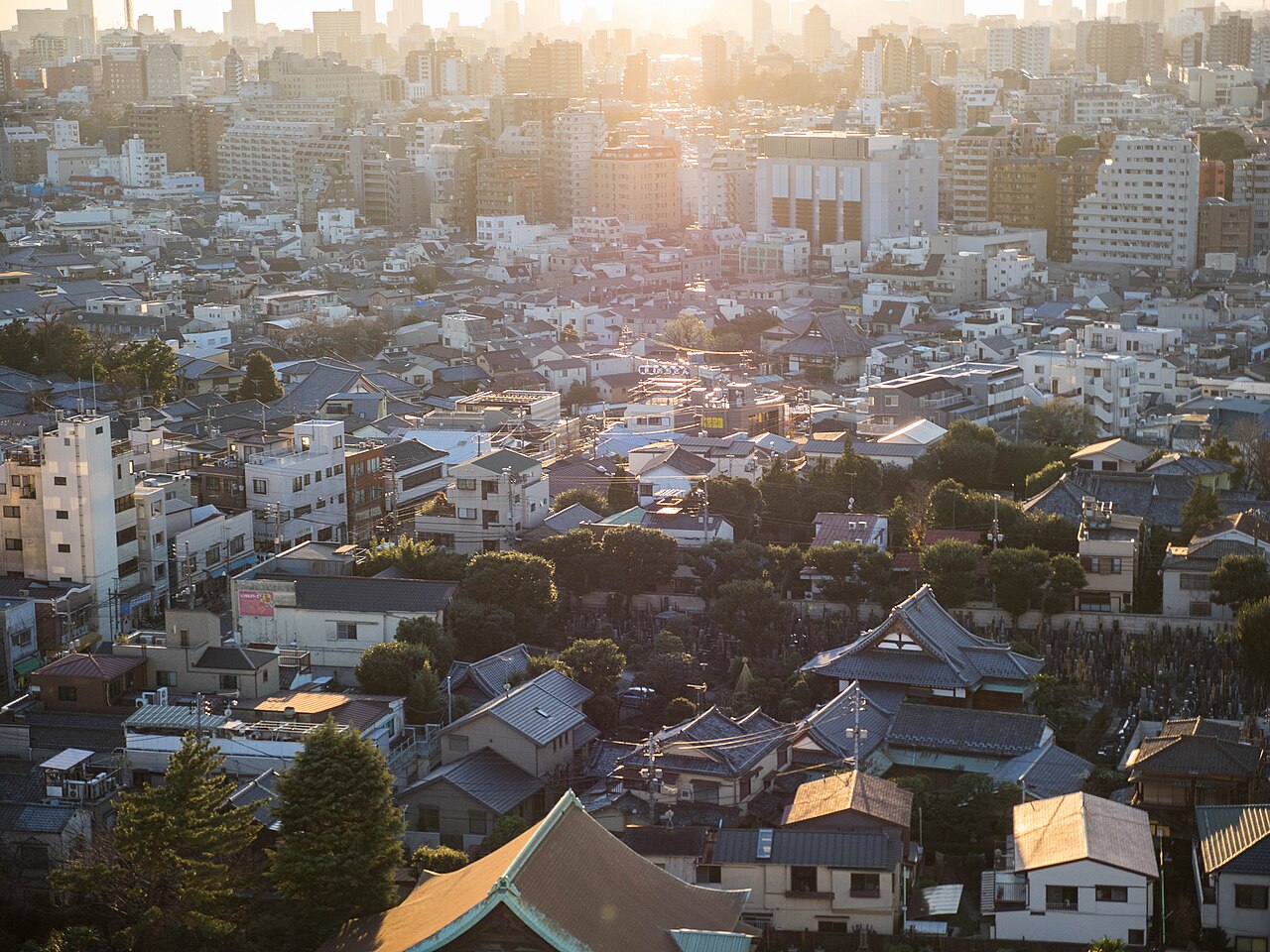
When Hiroshi Tanaka first scouted the narrow streets of Kuramae in 2019, the neighbourhood was a patchwork of shuttered textile shops and ageing ryokan struggling to compete with Shinjuku's gloss and Asakusa's crowds. Today, his portfolio of seven intimate hotels—operating under the brand Kuramae Collective—has helped transform the historic riverside district into one of Tokyo's fastest-growing visitor destinations, attracting nearly 340,000 guests annually.
The entrepreneur's rise mirrors a broader shift in Tokyo's tourism strategy. Japan's capital welcomed 17.9 million international visitors last year, up 22 per cent from 2024, according to the Tokyo Convention and Visitors Bureau. Yet increasingly, travellers are seeking authenticity over spectacle. Tanaka recognised this early. Rather than building from scratch, he acquired and renovated six listed townhouses and one former textile warehouse along Eiraku Street, preserving original wooden beams and tatami frameworks while embedding contemporary design and technology.
"The average visitor now spends four nights in Tokyo," Tanaka observed in a recent interview, noting that his properties capture extended stays. Room rates range from ¥18,000 to ¥55,000 per night—positioning his portfolio as accessible luxury. This pricing strategy has helped diversify Tokyo's accommodation landscape, historically dominated by either budget capsule operators or five-star chains charging ¥80,000-plus.
The numbers reflect his impact. In 2024, Kuramae recorded 2.8 million visitor arrivals, a 34 per cent increase year-on-year. Local restaurants and independent retailers have flourished in Tanaka's wake. The Sunday flea market along the riverside promenade now draws 15,000 vendors and shoppers weekly, compared to 3,000 in 2020.
Tanaka's success has not gone unnoticed. He recently secured ¥450 million in Series B funding to expand into Fukutoshin-ku and Koto-ku, signalling confidence in his model beyond Kuramae. His team now employs 180 staff across Tokyo, many hired locally.
Yet challenges loom. Competition is intensifying—major hotel chains are pivoting toward neighbourhood experiences. Regulatory pressures around short-term rentals also threaten margins. Still, as Tokyo targets 30 million annual visitors by 2030, entrepreneurs like Tanaka offer a blueprint: invest in overlooked neighbourhoods, respect local character, and trust that discerning travellers will follow.
This article was compiled by AI from the sources linked above and screened before publishing. See our editorial standards.
How does this story make you feel?
Spread the word
About this article
Published by The Daily Tokyo
Daily brief
Free, in your inbox before 7am. Weekdays.
More in Business