From Shibuya Garage to Global Ambition: How One Tokyo Entrepreneur is Reshaping AI Hardware
Meet the founder turning a cramped Dogenzaka workshop into a blueprint for Japan's next wave of deep-tech innovation.
Meet the founder turning a cramped Dogenzaka workshop into a blueprint for Japan's next wave of deep-tech innovation.

Tucked behind the neon chaos of Shibuya's entertainment district, a five-storey converted townhouse on Dogenzaka has become an unlikely nerve centre for Tokyo's artificial intelligence hardware revolution. Inside, engineers and designers are prototyping edge-computing devices that process data locally rather than in the cloud—a technical shift that major semiconductor firms globally are scrambling to master.
The operation belongs to Nexus Labs, founded in 2023 by a former Sony robotics engineer who saw an opening in the market as multinational corporations grappled with data privacy regulations and latency challenges. Today, the company employs 34 people across Shibuya and maintains partnerships with manufacturers in Kanagawa and Shizuoka prefectures, tapping into Japan's traditional strengths in precision engineering.
"Tokyo's startup ecosystem had been overshadowed by hype around mobility and fintech," says a spokesperson for the Japan External Trade Organization, noting that hardware startups in the capital have tripled their funding intake since 2024. "What's happening here is different—it's rooted in decades of manufacturing expertise meeting venture-scale ambition."
Nexus Labs raised $8.2 million in a Series A round last October from a blend of Tokyo-based venture funds and international investors betting on Japan's reopening to startup capital. The Shibuya headquarters operates at roughly 45,000 yen per square metre annually—significantly cheaper than comparable spaces in San Francisco—while remaining minutes from fibre-optic infrastructure and talent pools at nearby universities including Waseda and Keio.
The company's latest prototype, unveiled at Tokyo Tech Show in May, drew interest from automotive suppliers and industrial automation firms. Several prototype units are being tested by manufacturers in Nagoya and Osaka. Production is set to scale through a contract manufacturer in Suwa, Nagano, by Q4 2026.
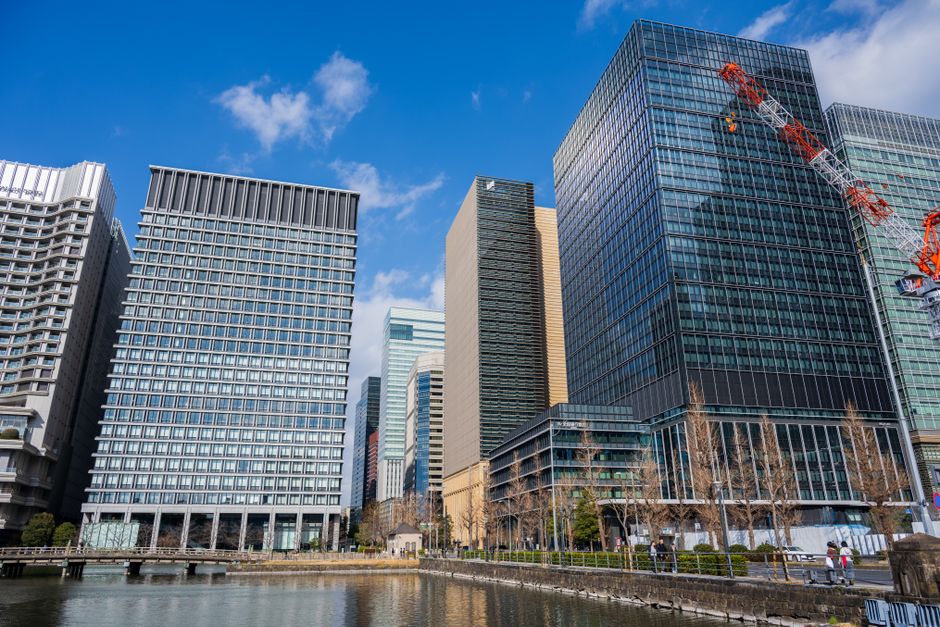
The success reflects a broader shift. Tokyo's innovation districts—from Marunouchi's corporate tech hubs to the grassroots maker culture around Akihabara—are crystallising around hardware and deep technology rather than pure software. Venture investment in Tokyo-based hardware startups reached $340 million in 2025, a 67% increase year-on-year.
For entrepreneurs in Shibuya's creative ecosystem, the message is clear: the next wave of Japanese innovation won't come from replicating Silicon Valley playbooks. It will emerge from workshops overlooking Hachiko Crossing, where engineering heritage meets venture ambition.
This article was compiled by AI from the sources linked above and screened before publishing. See our editorial standards.
How does this story make you feel?
Spread the word
About this article
Published by The Daily Tokyo
Daily brief
Free, in your inbox before 7am. Weekdays.
More in Business