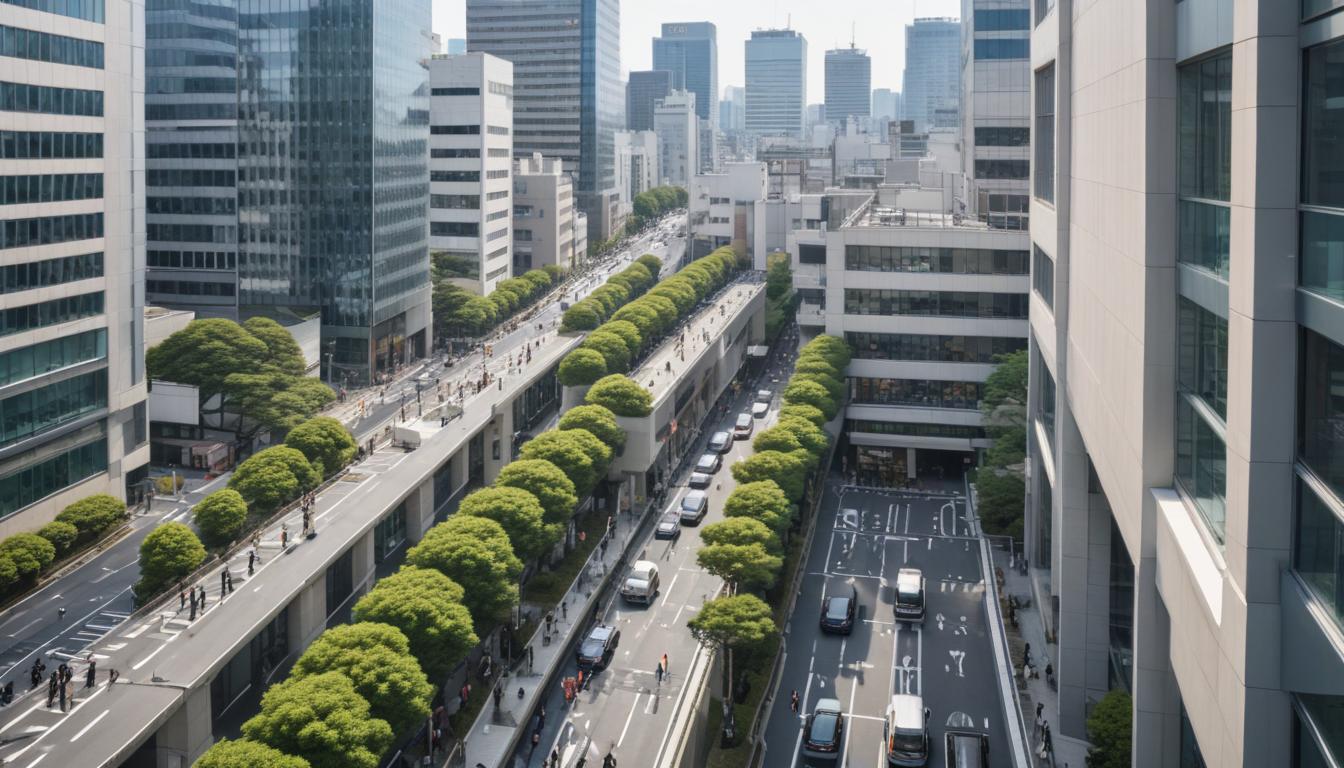
From Shibuya Coding Café to Asia's AI Vanguard: How Yuki Tanaka Built Japan's Most Ambitious Deep-Tech Incubator
Inside the Shinjuku innovation hub turning Tokyo's startup culture into a genuine rival to Silicon Valley.
Inside the Shinjuku innovation hub turning Tokyo's startup culture into a genuine rival to Silicon Valley.
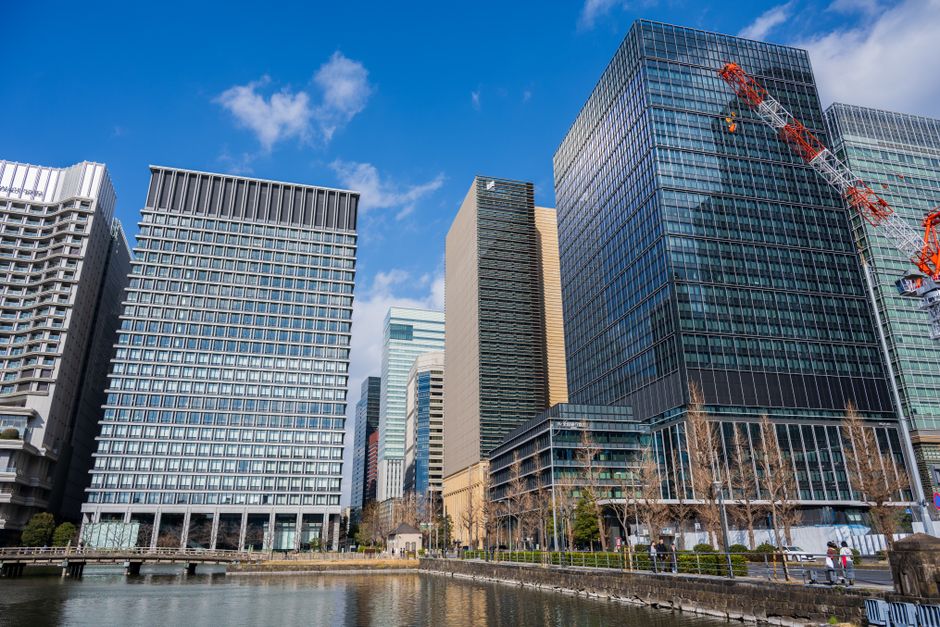
Walk down Meiji-dori in Shinjuku's Nishi-Shinjuku district on any given Tuesday morning, and you'll find the entrance to what has quietly become one of Asia's most ambitious deep-tech accelerators. Nestled between a traditional ramen shop and a glass office tower, a converted 1970s warehouse now houses Nexus Labs—a 3,000-square-metre innovation space that has birthed seven unicorn-track companies in just four years.
At its helm is Yuki Tanaka, a 34-year-old entrepreneur whose journey from burnout software engineer to venture catalyst embodies Tokyo's shifting relationship with risk-taking and innovation. In 2022, after spending a decade at a major Japanese tech conglomerate, Tanaka left with severance to launch what she envisioned as a radically different kind of startup space—one designed explicitly for founders tackling problems in quantum computing, synthetic biology, and advanced robotics.
"Tokyo has brilliant engineers and deep capital," Tanaka explained in a recent presentation to the Japan Venture Capital Association. "What we lacked was permission to fail spectacularly." That philosophy manifests in Nexus Labs' structure: member companies pay ¥1.2 million monthly for 200-square-metre dedicated lab space, mentorship from former executives at Sony and Toyota, and access to a ¥5 billion partner funding pool that backs early-stage technical ventures most traditional VCs would deem "too early."
The numbers speak for themselves. Nexus Labs' current portfolio—32 companies across materials science, autonomous systems, and biotech—has collectively raised ¥42 billion in Series A funding this year alone. Three residents have already attracted international attention: NeuroSync, developing brain-computer interfaces; ClimateScale, advancing carbon capture polymers; and RoboGen, producing modular robotic arms for precision agriculture. The last recently completed a ¥3.8 billion Series B led by SoftBank Vision Fund.
What distinguishes Tanaka's approach is geographic ruthlessness. Rather than scatter across Tokyo's sprawling tech hotspots, she deliberately anchored Nexus Labs in Nishi-Shinjuku—a neighbourhood historically dominated by corporate offices and government buildings. The bet was that proximity to established enterprise clients would accelerate hardware deployment cycles. It worked: four resident companies now pilot products within walking distance, at companies like NTT and Recruit.
As Tokyo positions itself to reclaim technological leadership following China's AI dominance and South Korea's chip mastery, Tanaka's experiment in localised, hardware-first innovation is being watched closely by policymakers and competitors alike. Her next phase: a second 5,000-square-metre facility opening in Kawasaki next spring, with dedicated clean-room infrastructure.
In a city once defined by corporate conformity, Tanaka has built an ecosystem for the productively rebellious.
This article was compiled by AI from the sources linked above and screened before publishing. See our editorial standards.
How does this story make you feel?
Spread the word
About this article
Published by The Daily Tokyo
Daily brief
Free, in your inbox before 7am. Weekdays.
More in Business