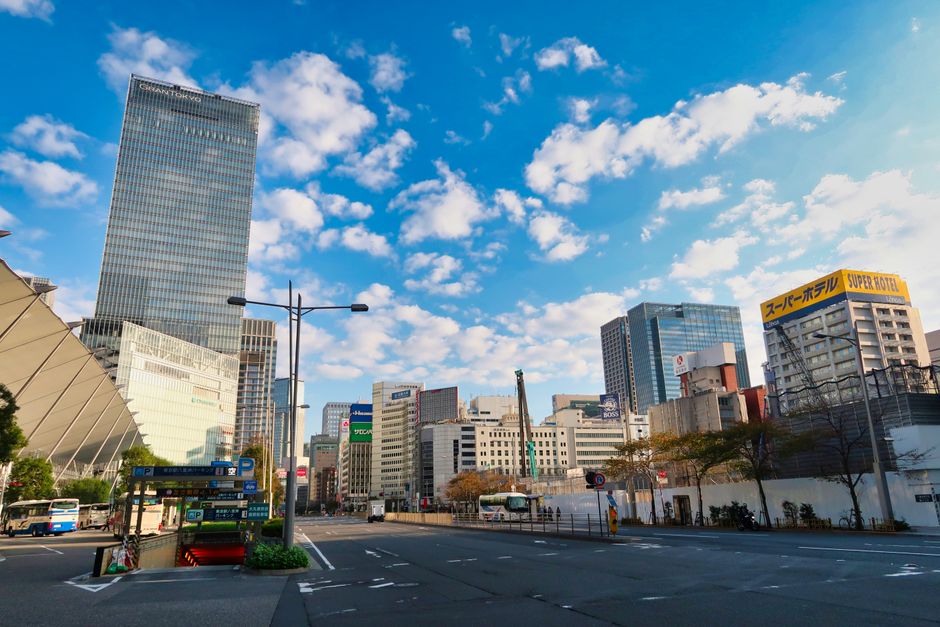
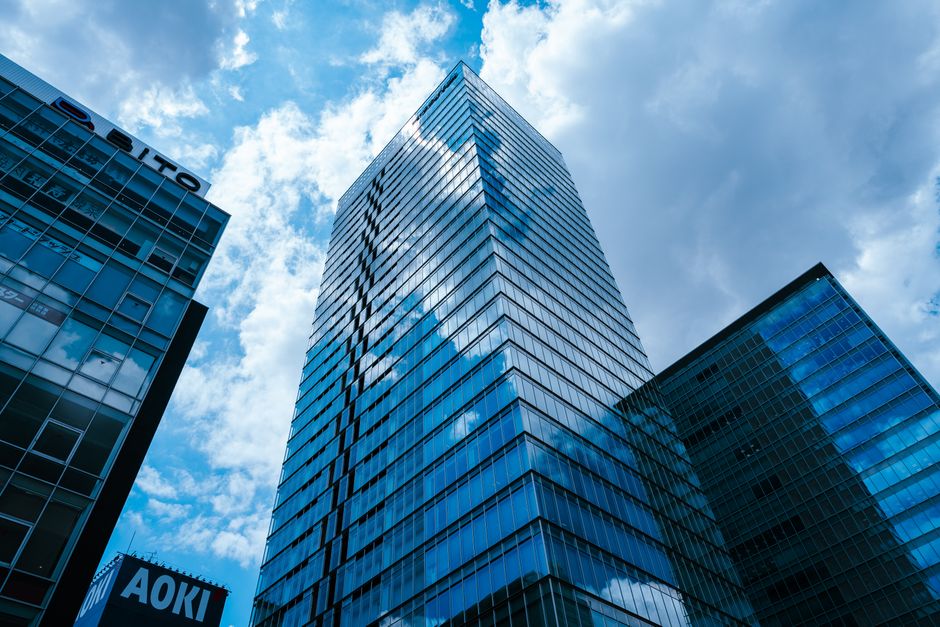
Walk down Meiji-dori in Shibuya on any weekday and you'll notice something has shifted. Among the established retailers and restaurants, gleaming glass-fronted offices now house venture capital firms, AI startups, and deep-tech incubators. What was once purely a shopping and entertainment district is becoming a hub for innovation—and that transformation is having real consequences for Tokyo residents.
The expansion of Tokyo's startup ecosystem, particularly in districts like Shibuya, Nihonbashi, and Minato, is reshaping the city in ways that directly affect your daily life. Real estate prices in these areas have surged by 15-20 percent over the past two years, according to local property data. A single desk in a co-working space near Roppongi Hills now costs ¥3,500-5,000 per month—triple the rate from five years ago.
But the changes go beyond rent. New innovation districts are attracting younger professionals, shifting the demographic makeup of established neighbourhoods. Convenience stores are introducing fast-casual dining concepts catering to startup workers. Traditional izakayas in Nihonbashi are closing as commercial landlords seek tenants willing to pay premium rates. Simultaneously, new spaces like The Hub and various accelerator programmes are creating hundreds of jobs, many offering salaries that undercut Tokyo's established corporate sector but attract ambitious workers seeking equity stakes and flexible arrangements.
For consumers, this matters in concrete ways. Startups are disrupting established services—last-mile delivery companies are now operating alongside traditional logistics providers, sometimes with inconsistent service standards. Fintech apps are proliferating faster than regulatory frameworks can manage, creating both opportunities and risks for users navigating payment options.
The Tokyo Metropolitan Government has actively supported this transformation, designating innovation districts and offering tax incentives for companies relocating to secondary business zones. The goal is economic dynamism and job creation. Yet residents in affected areas report feeling disconnected from planning decisions that reshape their neighbourhoods.
Understanding this ecosystem matters because you're living in it. Whether you're choosing where to rent, selecting a service provider, or simply noticing why your favourite corner shop closed, Tokyo's startup revolution is personal. The city is positioning itself as a global innovation hub alongside Singapore and San Francisco—and that ambition is playing out on your streets, in your rents, and in the services you use daily.
This article was compiled by AI from the sources linked above and screened before publishing. See our editorial standards.