Tokyo's Retail and Food Service Sector Faces Mounting Pressures in 2026
Rising labour costs, shifting consumer habits, and international economic uncertainty are squeezing margins across Shibuya, Shinjuku, and beyond.
Rising labour costs, shifting consumer habits, and international economic uncertainty are squeezing margins across Shibuya, Shinjuku, and beyond.
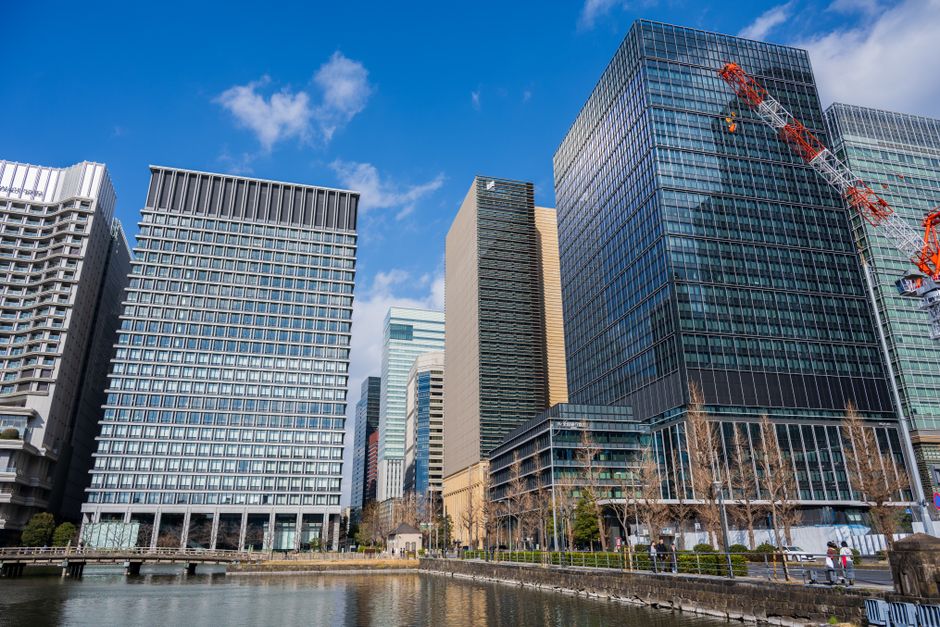
Tokyo's retail and hospitality sectors are navigating a challenging landscape as 2026 progresses, with establishments from Ginza's luxury boutiques to Harajuku's casual eateries reporting tighter margins and unpredictable customer traffic patterns.
Labour costs remain the most pressing issue. The minimum wage in Tokyo has climbed to 1,113 yen per hour as of April, up 3.3 percent from last year, forcing restaurant operators and retail managers to reassess staffing models. A family-run tonkatsu restaurant near Ikebukuro station, typical of hundreds of small operators across the city, reports that payroll now consumes 32 percent of revenue—up from 28 percent in early 2025. For businesses operating on traditionally thin margins of 8-12 percent, this represents an existential squeeze.
Consumer behaviour is proving equally vexing. Tourist numbers to Shibuya and Shinjuku remain robust, but domestic spending patterns have shifted markedly. Department stores along Omotesando report declining foot traffic despite flagship renovations, while fast-casual chains are consolidating underperforming locations. The Ginza Six shopping complex and similar premium venues have seen category weakness in accessories and apparel, even as food courts maintain relatively steady performance.
International volatility adds another layer of uncertainty. Fluctuating yen exchange rates create unpredictability for imported goods pricing, while geopolitical tensions have disrupted supply chains for everything from seafood to seasonal ingredients. Food costs for restaurants have risen between 15-20 percent year-on-year for certain items, complicating menu economics.
The shift toward delivery and online ordering—accelerated during recent years—continues reshaping the sector's infrastructure. While convenience is attractive to consumers, the platform economics favour aggregators over individual establishments. A ramen shop operator in Shinjuku reported that delivery fees now represent 25-30 percent of order value, forcing difficult decisions about whether to participate in these channels at all.
Labour shortages persist despite higher wages. Many establishments struggle to attract and retain staff, particularly in less visible roles like kitchen work and cleaning. Some venues in central wards are reducing operating hours or temporarily closing mid-week to manage scheduling constraints.
Industry groups including the Japan Restaurant Association and Tokyo Retail Trade Association have flagged these pressures to policymakers, though solutions remain elusive. Some operators are experimenting with automation—self-checkout systems in convenience stores and automated ordering in restaurants—but these require significant capital investment beyond many small business budgets.
Against this backdrop, operators who adapt quickly—whether through menu innovation, operational efficiency, or new service models—appear better positioned than those relying on traditional approaches to navigate 2026.
This article was compiled by AI from the sources linked above and screened before publishing. See our editorial standards.
How does this story make you feel?
Spread the word
About this article
Published by The Daily Tokyo
Daily brief
Free, in your inbox before 7am. Weekdays.
More in Business