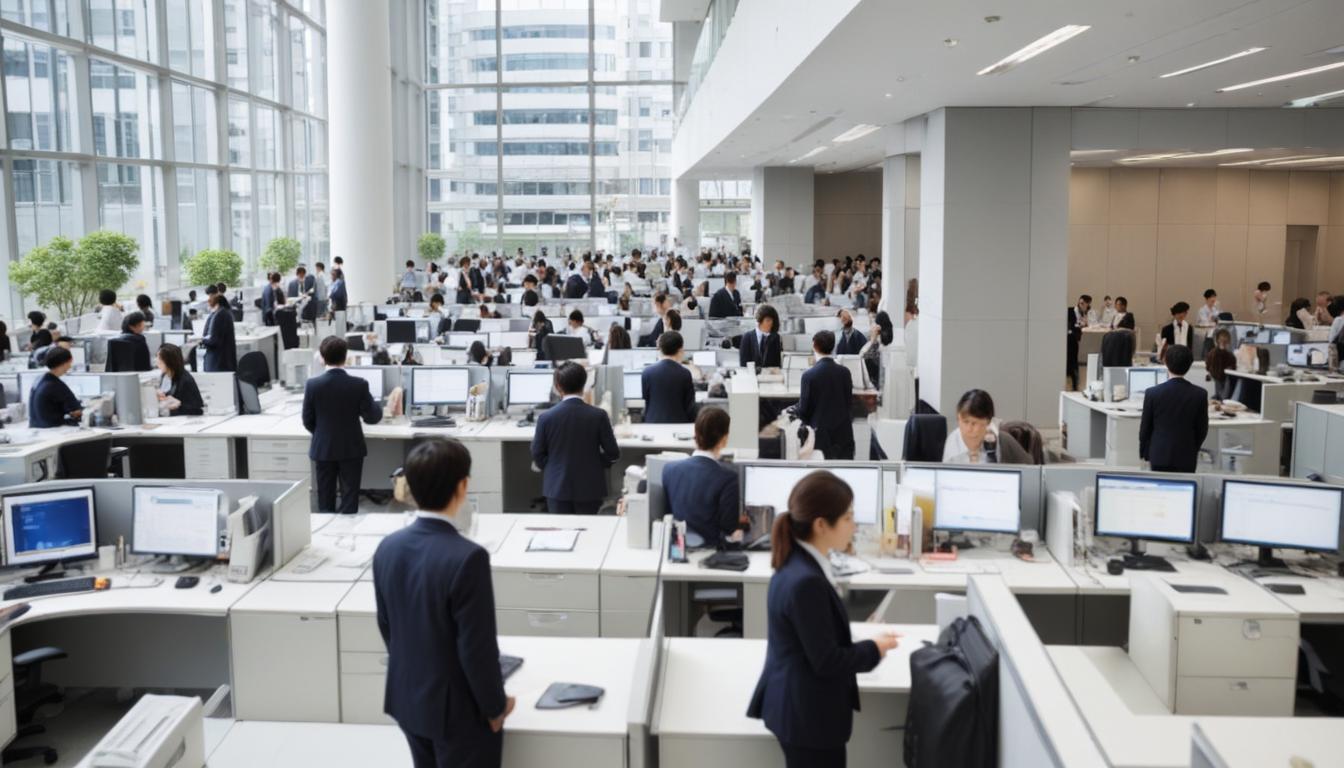
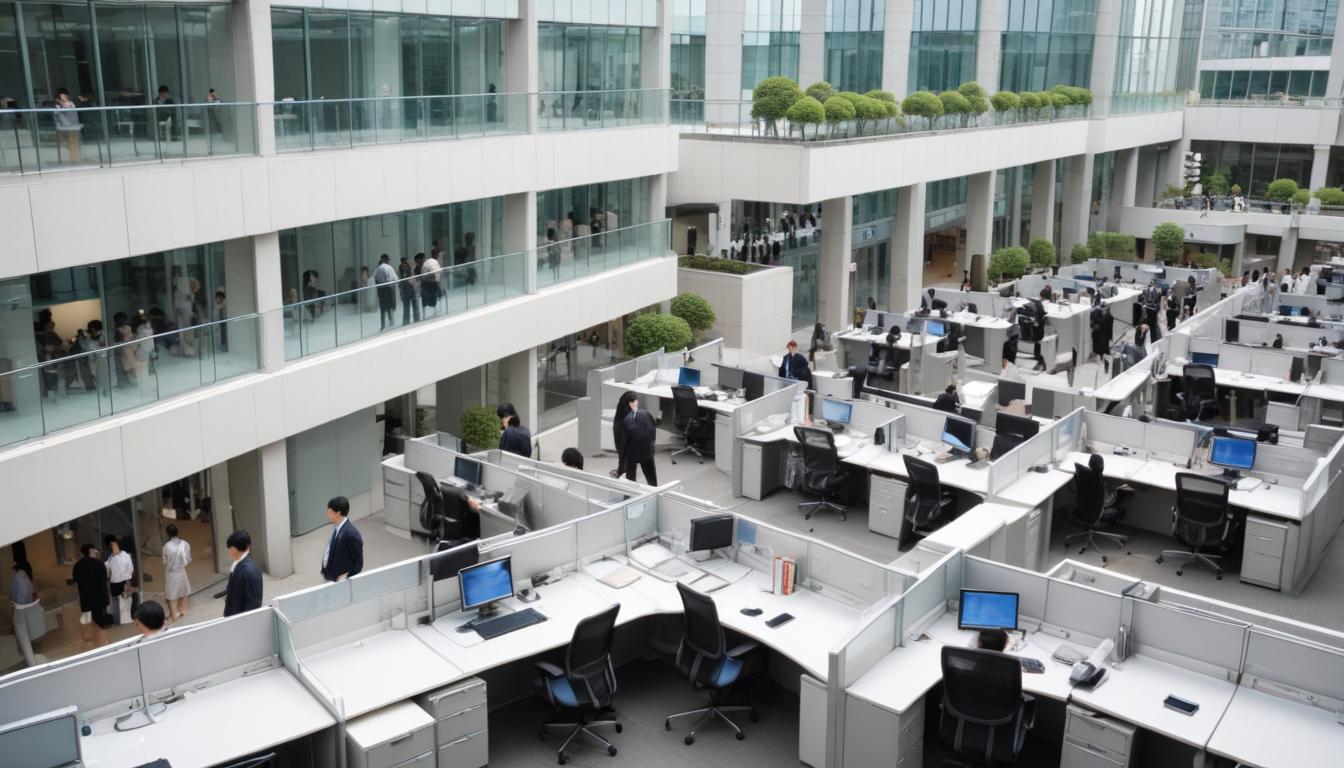
Tokyo's labour market, long considered a bright spot in Japan's economic landscape, is showing troubling signs of strain as we enter the second half of 2026. While headline unemployment remains remarkably low at 2.3%, the reality facing recruiters across Chiyoda, Shibuya, and the Minato business districts tells a more complex story of structural challenges that could undermine the city's competitive edge.
The core problem is increasingly clear: Tokyo faces a severe skills mismatch. Recruiters in Otemachi's financial district and along the Marunouchi Line corridor report fierce competition for specialists in artificial intelligence, cybersecurity, and advanced manufacturing—roles that typically command 30-40% salary premiums over historical norms. Meanwhile, mid-level administrative and customer service positions remain notoriously difficult to fill, with many companies forced to hire significantly below their preferred qualification levels.
This paradox reflects deeper demographic pressures. Young people are increasingly reluctant to move to Tokyo, with internal migration to the capital down 8% compared to 2024. Regional cities like Fukuoka and Kyoto, offering lower living costs and lifestyle flexibility, are proving unexpectedly attractive. Tokyo's residential costs—with average monthly rent for a modest two-bedroom apartment in accessible areas like Nakano or Itabashi hovering around ¥140,000—remain a significant barrier for entry-level workers, especially those without existing family networks in the city.
Wage growth, critical to any employment recovery, remains anaemic. The Japan Institute of Labour Economics reported that nominal wage increases across Tokyo's service and technology sectors averaged just 2.1% year-on-year through Q1 2026, barely outpacing inflation. Major employers in the Roppongi and Akasaka office clusters have become increasingly hesitant about aggressive salary negotiations, citing uncertain consumer spending patterns and regional geopolitical tensions affecting supply chains.
The automation challenge compounds these difficulties. Automation initiatives accelerated sharply following 2025's productivity concerns, eliminating an estimated 45,000 routine positions across Tokyo's service, retail, and back-office sectors. While new roles in automation management and maintenance have emerged, they require retraining that many displaced workers find daunting.
Perhaps most troubling for Tokyo's future: talent retention is weakening. Headhunters report unprecedented numbers of mid-career professionals from major corporations exploring opportunities abroad, particularly in Singapore and Sydney, seeking better work-life balance and lower tax burdens. For a city that has historically absorbed and retained top talent, this represents a genuine competitive threat that policymakers cannot afford to ignore.
This article was compiled by AI from the sources linked above and screened before publishing. See our editorial standards.